








AUGUST 26, 2026
The Cheese Bank and What It Says About the Future of Collateral
In Northern Italy, one of the world’s most unique banks is accepting wheels of cheese as collateral. Credem Bank has been in operation for more than 100 years and in that time, they have taken wheels of the world-famous Parmigiano Reggiano cheese and stored it for farmers in exchange for giving them money earlier to cover their expenses. It’s just one of many unique banking systems around the world. As the CNN article about this system notes, the reason the system works is simple: cheese gets more valuable over time. It’s the same reason why it may not work for other emerging sectors:
The value of collateral is actually one of the biggest questions in finance right now. Increasingly, GPUs, the chips that are the backbone of AI processing, are being used as collateral for enormous amounts of debt. But it’s not clear that GPUs hold their value because when technology improves, the older versions typically are worth less.
The questions I started thinking about, inspired by this cheese wheel bank, were about the nature of what is considered collateral now and what could be in the future. This is particularly interesting when you consider how the debate may apply to the value of our own likeness. In China, groups of normal people (not celebrities) are already experimenting with licensing their own likeness. Hollywood is getting more aggressive about resurrecting dead personalities to put their faces or voices back on screen. The more value we assign to ourselves, the more those selves could become just as unique a form of collateral as wheels of cheese.
Book Rohit To Speak
Want to bring these ideas to your next event?
Rohit turns the thinking behind posts like this one into keynotes for audiences around the world, from Fortune 500 leadership teams to global industry conferences.
Learn More About Speaking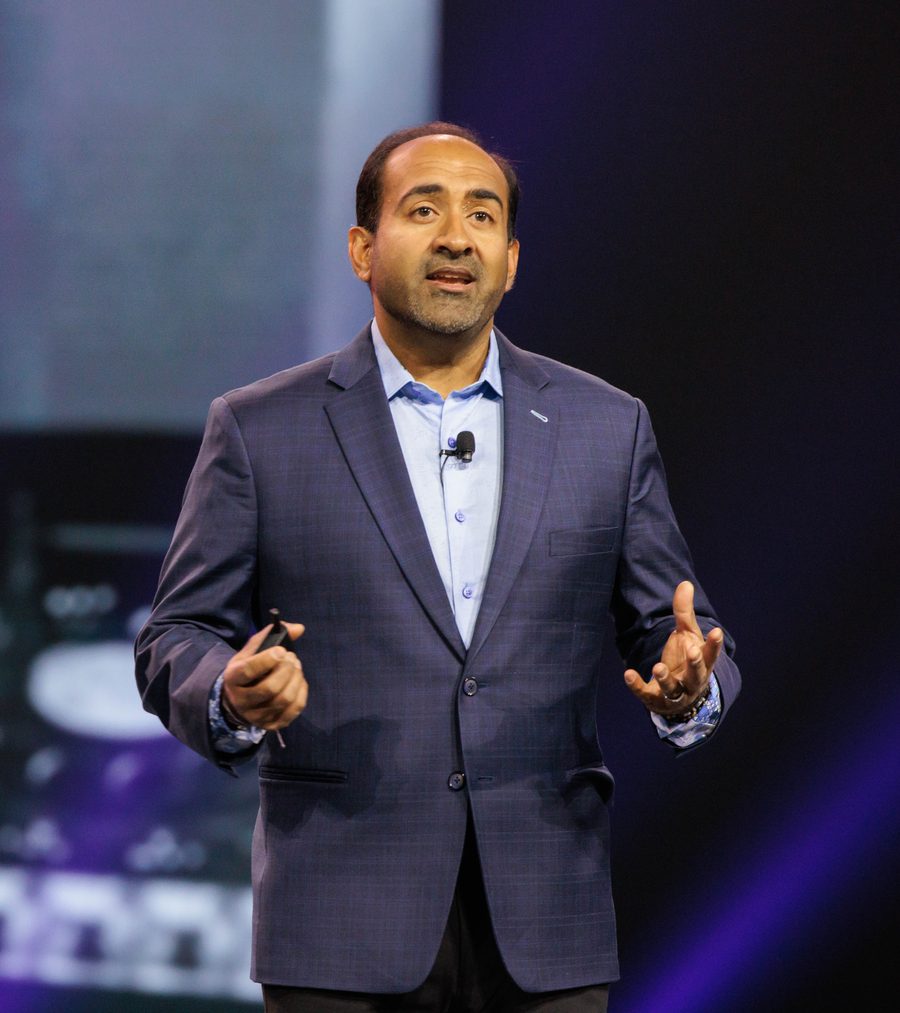
How It All Started
A Short Backstory Of This Blog
This is a blog about non-obvious ideas. Originally launched on the Typepad platform in 2005 as the Influential Marketing blog, the stories at first focused mainly on digital marketing while Rohit worked at Ogilvy Advertising. In 2015 Rohit officially rebranded to the Non-Obvious Insights Blog and published his WSJ bestseller Non-Obvious. For the past twenty one years, this blog has coined new terms, introduced future marketing practices and inspired the next generation of non-obvious thinkers and marketers.