







SEPTEMBER 4, 2025|MEDIA & JOURNALISM
The Death of Articulate Criticism
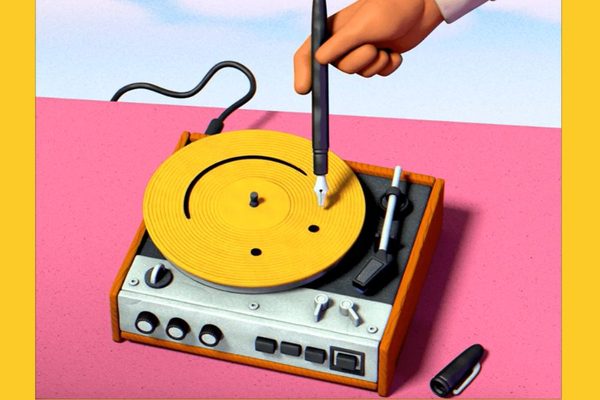
No one cares what you hate on social media. Or at least they shouldn't. But as the anonymity of the Internet offers up permission to people to be the worst versions of themselves, the exact opposite may be happening to professional critics of music, film and culture. In other words, they are getting nicer. In the New Yorker, this shift of how music critics "lost their edge" is explored in an article this week:
"The idea that people’s tastes have a right not to be criticized is, of course, quite fatal to the idea of criticism itself, as many critics have noticed ... film critics have had to contend not just with disgruntled directors and actors but with the fandoms that emerge, online, to defend their favorite characters or franchises. Often, I suspect, writers have decided to keep their most inflammatory views to themselves. “I think sometimes I can tell when a writer politely demurs, without saying as much,” one editor told me. “They’re just, like, The juice ain’t worth the squeeze."
It now seems entirely likely that there will be a new generation that may never know the fun of reading an articulate takedown. I'm not talking about people whining about what they dislike online. There was once a place in the media for a knowledgeable writer who truly understood art or food or film to offer up a contrary argument. To point out that maybe that thing going viral isn't as great as everyone says.

But doing that today puts a target on your back to be attacked online (and sometimes offline) for your dissent. So those critics are increasingly censoring themselves. Those 1-star reviews don't get written and the contrarian perspectives are never shared. Instead, the only online criticism we ever see is the protestations of idiots written by those with vendettas or one-dimensional world views.
Is the solution for more writers to share more negative reviews? As many of you know, every week I offer up a book recommendation worth reading. Perhaps I should sometimes share a book that you definitely shouldn't read. It just seems like a waste to spend time and attention on something that I don't recommend. Honestly, I'm a bit conflicted now. What do you think? Would you want to read more negative reviews for entertainment purposes or is that a stretch?
Book Rohit To Speak
Want to bring these ideas to your next event?
Rohit turns the thinking behind posts like this one into keynotes for audiences around the world, from Fortune 500 leadership teams to global industry conferences.
Learn More About Speaking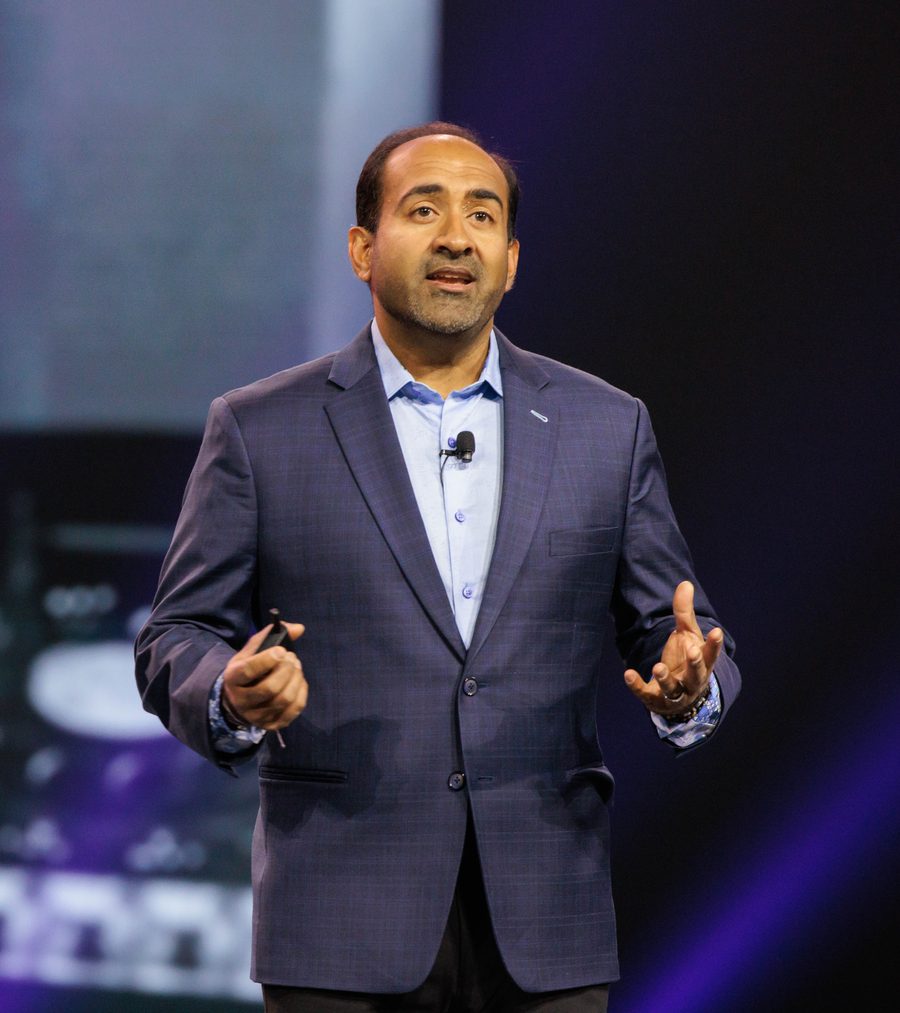
How It All Started
A Short Backstory Of This Blog
This is a blog about non-obvious ideas. Originally launched on the Typepad platform in 2005 as the Influential Marketing blog, the stories at first focused mainly on digital marketing while Rohit worked at Ogilvy Advertising. In 2015 Rohit officially rebranded to the Non-Obvious Insights Blog and published his WSJ bestseller Non-Obvious. For the past twenty one years, this blog has coined new terms, introduced future marketing practices and inspired the next generation of non-obvious thinkers and marketers.