







MAY 29, 2025|ARTIFICIAL INTELLIGENCE
The Future of Animation Will Be 90% Faster Than Before
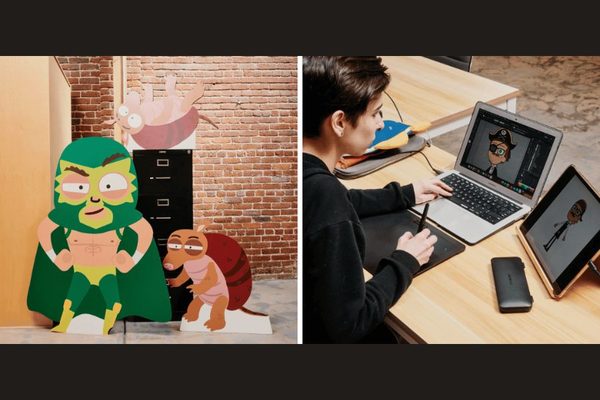
A few years ago, lip-syncing one minute of animation used to take about four hours. Now it can be done in 15 minutes. That's just one of the dramatic time-saving features of AI when it comes to animation, but what's most interesting about these tools in the world of Hollywood is just how quickly they are being implemented specifically for animation. Unlike much of the rest of the film industry that can occasionally be tech-averse--animation has been computer assisted for decades.
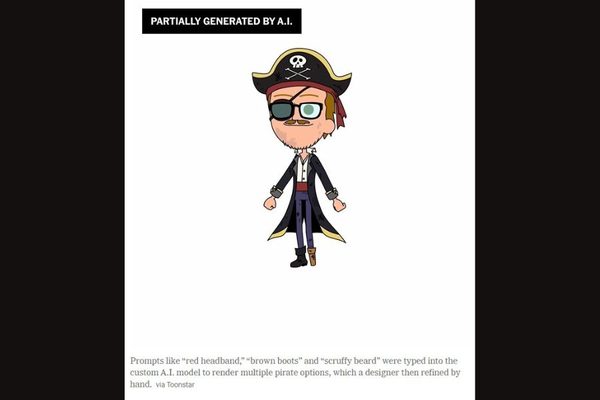
This fact is making the field of animation and cartoon development ground zero for seeing the vast time savings and creative shifts happening in the process of getting shows from production to air. Contrary to what some fear, the future likely won't include complete displacement--as one executive shared:
“Our goal is for A.I. to get it 70 percent there. A.I. just gives you the base, it’s our job as artists to add a personality — a visual personality — because animation has historically been very expensive and taken a long time to do, a lot of talent has been kept out — particularly young talent. We don’t think animation should be a private club. And with A.I., it’s not going to be.”
As with many early embracers of AI, the future painted in this quote is perhaps overly optimistic. The other fact from the story linked above is that a production which used to take 500 people can now be done by about 50 ... so clearly there are some roles which will no longer be needed. The big question is whether the increase in productions will create enough opportunity to offset those losses.
Rohit speaks on this topic. See his AI keynote.
Book Rohit To Speak
Want to bring these ideas to your next event?
Rohit turns the thinking behind posts like this one into keynotes for audiences around the world, from Fortune 500 leadership teams to global industry conferences.
Learn More About Speaking
How It All Started
A Short Backstory Of This Blog
This is a blog about non-obvious ideas. Originally launched on the Typepad platform in 2005 as the Influential Marketing blog, the stories at first focused mainly on digital marketing while Rohit worked at Ogilvy Advertising. In 2015 Rohit officially rebranded to the Non-Obvious Insights Blog and published his WSJ bestseller Non-Obvious. For the past twenty one years, this blog has coined new terms, introduced future marketing practices and inspired the next generation of non-obvious thinkers and marketers.