








OCTOBER 29, 2021|BRANDS & MARKETING
The Hidden Meaning Behind That “Silly” Lawsuit About Pop-Tarts
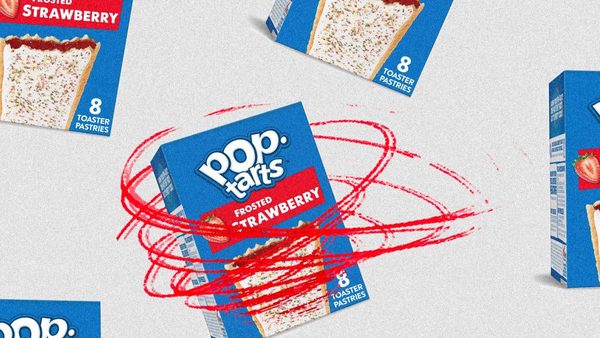
If you already heard this story, you probably laughed about it. A woman is suing Kellogg’s, alleging that “Kellogg’s strawberry Pop-Tarts falsely claim to have more strawberries than they actually do.” Based on the facts, she’s right: the product’s packaging lists dried pears and apples before mentioning strawberries. On the surface, this seems like yet another get-rich-quick frivolous lawsuit from another greedy American trying to exploit the system. The woman suing (and her lawyers) claim to be taking a stand against the problem of food companies deceptively marketing products, and that is what most media about the story have been reporting.
There is a detail here, though, that seems to be getting overlooked. Consumers are getting angry. The more stories people read about record corporate profits or staggering obesity issues or constant media and ad noise, the more angry they get. This fury is starting to explode and it’s going to continue. Sometimes in the form of lawsuits, sometimes in worker-led revolts or walkouts, and sometimes through consumer boycotts. For any brand hoping to avoid the backlash, there is only one reliable solution: bring more truth and transparency.
Rohit speaks on this topic. See his marketing keynote.
Related Posts
Book Rohit To Speak
Want to bring these ideas to your next event?
Rohit turns the thinking behind posts like this one into keynotes for audiences around the world, from Fortune 500 leadership teams to global industry conferences.
Learn More About Speaking
How It All Started
A Short Backstory Of This Blog
This is a blog about non-obvious ideas. Originally launched on the Typepad platform in 2005 as the Influential Marketing blog, the stories at first focused mainly on digital marketing while Rohit worked at Ogilvy Advertising. In 2015 Rohit officially rebranded to the Non-Obvious Insights Blog and published his WSJ bestseller Non-Obvious. For the past twenty one years, this blog has coined new terms, introduced future marketing practices and inspired the next generation of non-obvious thinkers and marketers.