








AUGUST 5, 2020|MEDIA & JOURNALISM
The One Thing That Could Change Media and Eliminate Fake News
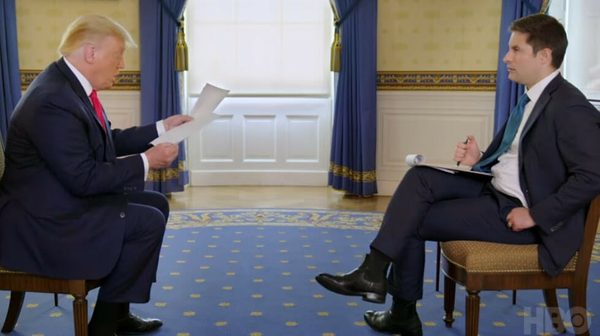
"If you can challenge forcefully, real-time, you don’t need to go back and do fact-checking. And that’s the real success of it. And at least part of the reason this type of interview doesn’t happen too often is that fact-checking has become too much of a crutch for media. The President says something. He isn’t challenged on the spot. But he’s fact-checked. Job well done. But it’s not. Because fact-checking is really after the fact-checking. So it’s often rendered meaningless by the time reporters get around to it, because whatever lie has been allowed to float around for however long and taken on a life of its own."This is the most powerful insight I have read recently about our current media climate and such an important point that should be shared far and wide. Doing this sort of fact checking live is very difficult and requires a legendary level of preparation on the part of the journalist doing the interview. Partially, this is why it is so rarely seen. But when dealing with politicians, business executives or anyone else who has a tendency to exaggerate or flat out lie in an interview, it has become a critical skill. So when we see someone exercise it in real time, their professionalism and preparation should be celebrated.
Book Rohit To Speak
Want to bring these ideas to your next event?
Rohit turns the thinking behind posts like this one into keynotes for audiences around the world, from Fortune 500 leadership teams to global industry conferences.
Learn More About Speaking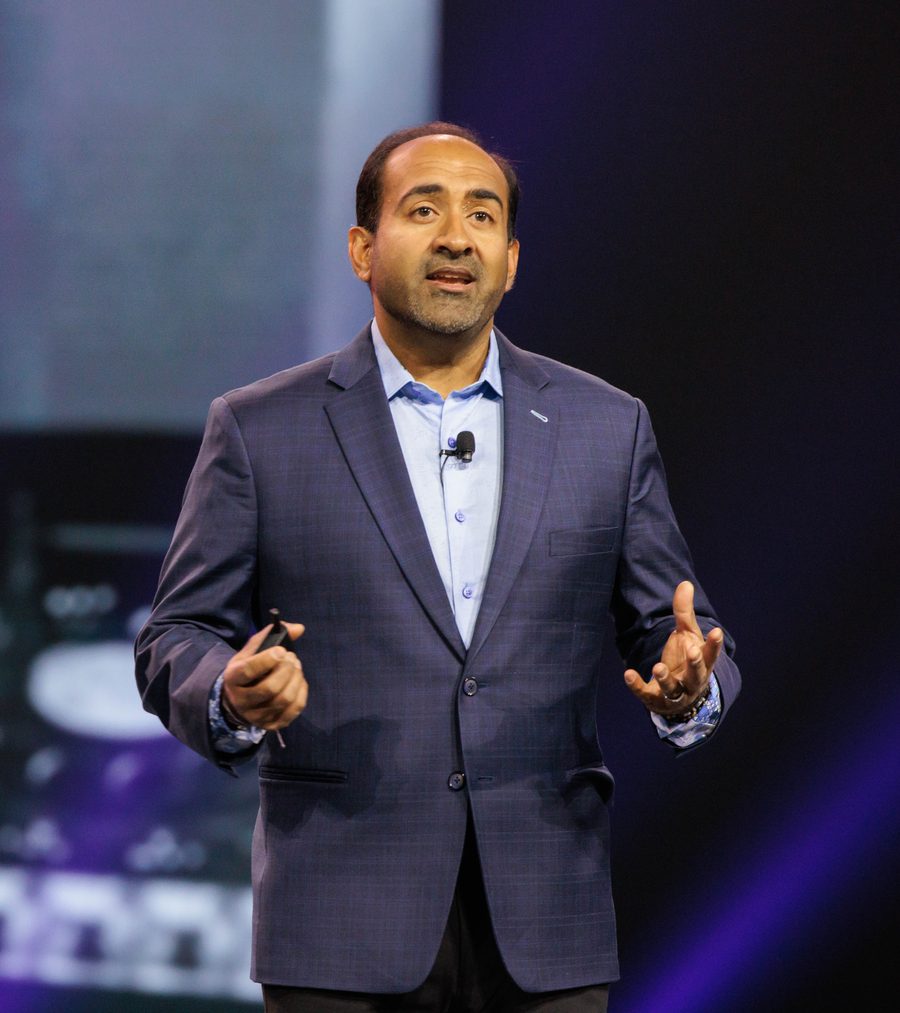
How It All Started
A Short Backstory Of This Blog
This is a blog about non-obvious ideas. Originally launched on the Typepad platform in 2005 as the Influential Marketing blog, the stories at first focused mainly on digital marketing while Rohit worked at Ogilvy Advertising. In 2015 Rohit officially rebranded to the Non-Obvious Insights Blog and published his WSJ bestseller Non-Obvious. For the past twenty one years, this blog has coined new terms, introduced future marketing practices and inspired the next generation of non-obvious thinkers and marketers.