








SEPTEMBER 3, 2024|CAREER ADVICE
The One Time When Everyone Lies on Social Media: After Getting Laid Off
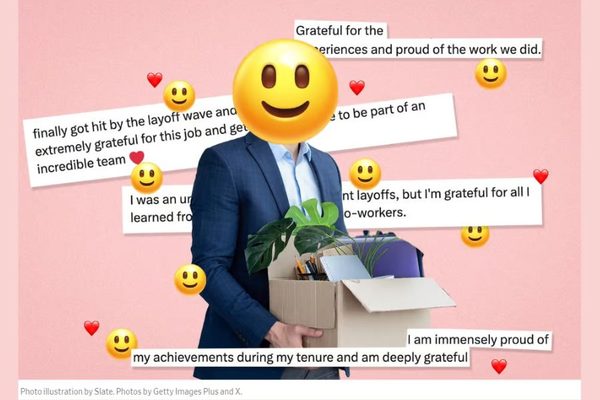
Getting laid off is hard. Though I’ve now been an entrepreneur for nearly ten years, I do remember those moments (yes, plural!) in my life when it happened to me and those were always emotional times. If you were to go by what people share on social media, though, you might think differently. A recent article on the Slate asked: Why is it so common to pretend to be grateful when a job ends?
Some of the reasons are pretty clear cut. You don’t want to jeopardize future employment chances by seeming petty. And there’s the obvious desire to protect your own ego and reputation. Yet the truth is that often there is fury, resentment and sadness behind these moments … and you would think sharing at least some of those feelings openly with your online friends might help you recover or just invite a little more genuine empathy for your situation.
Yet it’s a tricky thing to be vulnerable without seeming desperate; angry without appearing unhinged. It’s a balance that’s hard to strike in real life, much less on social media. Part of doing it may be with all of us being more willing to acknowledge what we all know to be true. Getting laid off sucks and you’re likely not happy about it. The sooner we all drop the act and admit that reality, the more we can get and give support to our friends when they probably need it most.
Book Rohit To Speak
Want to bring these ideas to your next event?
Rohit turns the thinking behind posts like this one into keynotes for audiences around the world, from Fortune 500 leadership teams to global industry conferences.
Learn More About Speaking
How It All Started
A Short Backstory Of This Blog
This is a blog about non-obvious ideas. Originally launched on the Typepad platform in 2005 as the Influential Marketing blog, the stories at first focused mainly on digital marketing while Rohit worked at Ogilvy Advertising. In 2015 Rohit officially rebranded to the Non-Obvious Insights Blog and published his WSJ bestseller Non-Obvious. For the past twenty one years, this blog has coined new terms, introduced future marketing practices and inspired the next generation of non-obvious thinkers and marketers.