







AUGUST 31, 2021|ECONOMICS & MONEY
The Pandemic Was Supposed To Kill Cash. Has The Opposite Happened?
Traveling through the Denver airport recently, I saw a sign at one of the quick service restaurants that got me thinking about how we pay for things. A few days later, I read a report from American Banker suggesting that an assumption many of us might have made about the effect of the pandemic on the usage of cash may be wrong. An article about currency usage in the UK from The Economist suggested the same puzzling conclusion, even as other reports were suggesting that usage of cash “plunged” during the pandemic. So which report is right?
Interestingly, they both are right. It turns out that cash reserves in many countries during the pandemic have become more scarce due to supply chain disruptions in producing currency. Added to that, the uncertainty of the pandemic has made many consumers more likely to hold on to cash “as a store of value rather than for near-term transactional purposes.” So, yes, cash has become harder to get AND people are using it less at the same time. It’s almost impossible to end this story without a Dad joke about there being two sides to every coin, so I’ll just leave it there.
Book Rohit To Speak
Want to bring these ideas to your next event?
Rohit turns the thinking behind posts like this one into keynotes for audiences around the world, from Fortune 500 leadership teams to global industry conferences.
Learn More About Speaking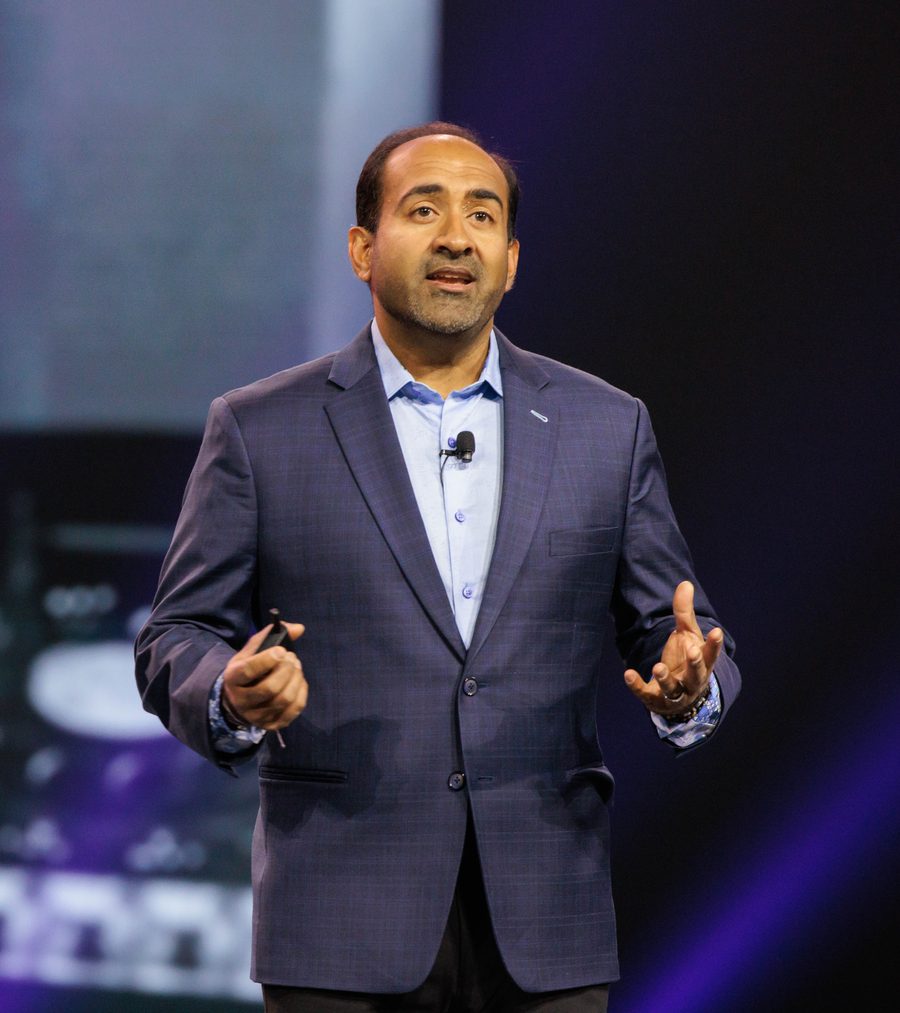
How It All Started
A Short Backstory Of This Blog
This is a blog about non-obvious ideas. Originally launched on the Typepad platform in 2005 as the Influential Marketing blog, the stories at first focused mainly on digital marketing while Rohit worked at Ogilvy Advertising. In 2015 Rohit officially rebranded to the Non-Obvious Insights Blog and published his WSJ bestseller Non-Obvious. For the past twenty one years, this blog has coined new terms, introduced future marketing practices and inspired the next generation of non-obvious thinkers and marketers.