








JANUARY 20, 2025|CAREER ADVICE
The Problem of Fake Job Postings

The Wall Street Journal published a piece this week about the rise in fake job postings online. The reasons for these range from some companies using those listings to try and appear larger or more successful than they are, to some that are fraudulently listed to try and capture data. There are even some organizations who are creating and then uncreating job openings after they fill part of it or decide they don’t want to hire after all.
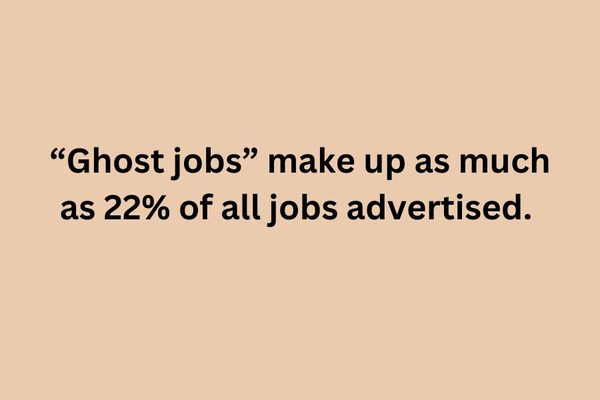
There is a real human cost to these “ghost jobs” as hiring platform Greenhouse suggested they make up as much as 22% of all jobs advertised online. People who spend time and emotional energy applying can take a hit to their confidence at the worst possible time when they either don’t hear back or get rejected from a job that never really existed in the first place.
It may seem like there isn’t an obvious solution to this problem. Actually, I can think of two. The first is for any of us working at a company to advocate for our colleagues and HR teams to only post job openings if they are real and actually available. Putting a job listing online for a role that you really don’t need is not a victimless crime. The thing we can all do is support our friends and family who may be job seeking at the moment by reminding them that they have a lot to offer. A string of rejections (from fake roles or not) can erode anyone’s confidence. If you really care, reach out and help someone build it back up.
Related Posts
Book Rohit To Speak
Want to bring these ideas to your next event?
Rohit turns the thinking behind posts like this one into keynotes for audiences around the world, from Fortune 500 leadership teams to global industry conferences.
Learn More About Speaking
How It All Started
A Short Backstory Of This Blog
This is a blog about non-obvious ideas. Originally launched on the Typepad platform in 2005 as the Influential Marketing blog, the stories at first focused mainly on digital marketing while Rohit worked at Ogilvy Advertising. In 2015 Rohit officially rebranded to the Non-Obvious Insights Blog and published his WSJ bestseller Non-Obvious. For the past twenty one years, this blog has coined new terms, introduced future marketing practices and inspired the next generation of non-obvious thinkers and marketers.