






JUNE 11, 2024|TRENDS & CULTURE
The Rise of Anti-Vegan Beauty
The idea of vegan beauty products is undeniably appealing for many people. Products that are sourced without animal byproducts are supposedly more natural, better for the environment and healthier for you. It's one of the reasons why more than 86% of consumers say that they want more vegan beauty products. Yet in beauty, just like in food, vegan products may not be the healthy or environmentally friendly heroes they are promoted to be.
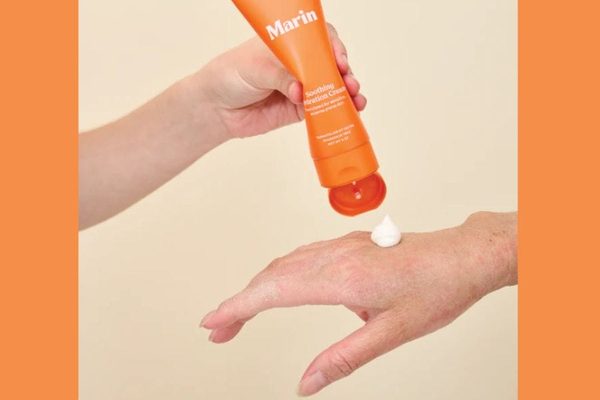
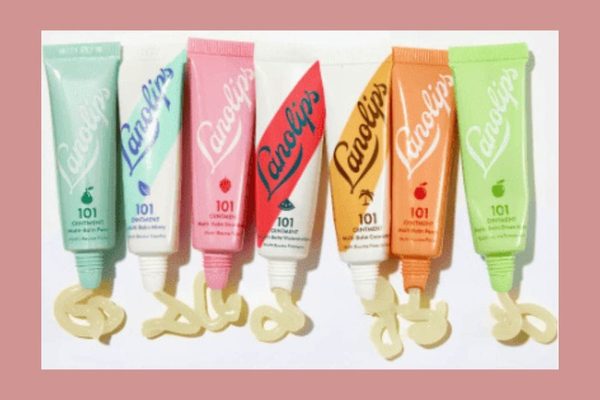
Marin Skincare is a startup in Maine that produces lotions using the proteins found in upcycled lobster shells. Australian brand Lanolips uses an animal fat "humanely sourced from Australian sheep farmers" to make their lip balms. Fatco uses beef tallow, a byproduct of the meat industry, in their deodorants to help with dryness. Each of these startups are eco-friendly, using materials that would ordinarily be wasted ... yet none are technically vegan.
As awareness and demand for products with origin stories like these continues to grow, fashion industry insiders are pointing to an emerging appreciation of "anti-vegan beauty" products as a trend to watch. Driven by the “secretly selfish” choices people make for products they love, this shift will be one to watch for anyone working in retail, fashion or a related industry.
Related Posts
Book Rohit To Speak
Want to bring these ideas to your next event?
Rohit turns the thinking behind posts like this one into keynotes for audiences around the world, from Fortune 500 leadership teams to global industry conferences.
Learn More About Speaking
How It All Started
A Short Backstory Of This Blog
This is a blog about non-obvious ideas. Originally launched on the Typepad platform in 2005 as the Influential Marketing blog, the stories at first focused mainly on digital marketing while Rohit worked at Ogilvy Advertising. In 2015 Rohit officially rebranded to the Non-Obvious Insights Blog and published his WSJ bestseller Non-Obvious. For the past twenty one years, this blog has coined new terms, introduced future marketing practices and inspired the next generation of non-obvious thinkers and marketers.