








JULY 27, 2026|EDUCATION & LEARNING
The Secret of the Mississippi Miracle and How to Get Kids to Read Again
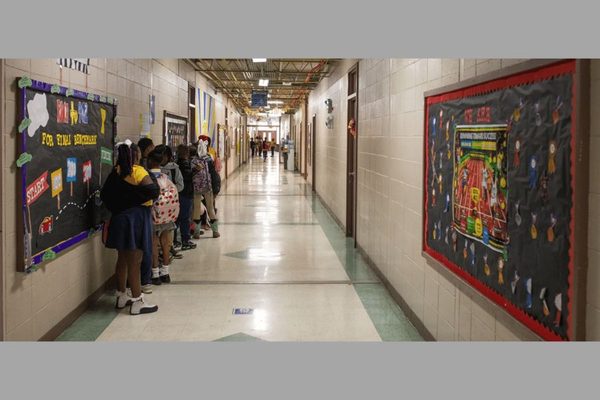
A featured story from WIRED this month takes a deep dive into the challenges of getting kids to read and how they are increasingly only reading in snippets as opposed to reading for the love of books. It's a generational problem and one that is receiving a lot of attention from schools, parents, governments and media around the world. The article observes that "in conversations with teachers and literacy experts, nearly everyone diagnoses the problem as one of attention span, not intelligence." How do you solve a problem of attention span at a time when our devices are hollowing all of our abilities to focus for longer periods of time? The so-called "Mississippi Miracle" where the state moved from next to last place in reading scores into the nationwide top ten within a decade offers some clues:
"So why have elementary school reading scores jumped dramatically in places like Jefferson County, one of the poorest places in the poorest state in the country, at the same time national averages are plummeting? Superintendent Adrian Hammitte believes the third grade “reading gate” is in fact key to his district’s success—but not because it removes the weakest readers from the pool of fourth-grade test takers. Rather, he argues that third graders pass the test because their families see no choice but to pass; no one wants their child to be held back. Students who pass the third-grade state test are likely to repeat their success in fourth grade."
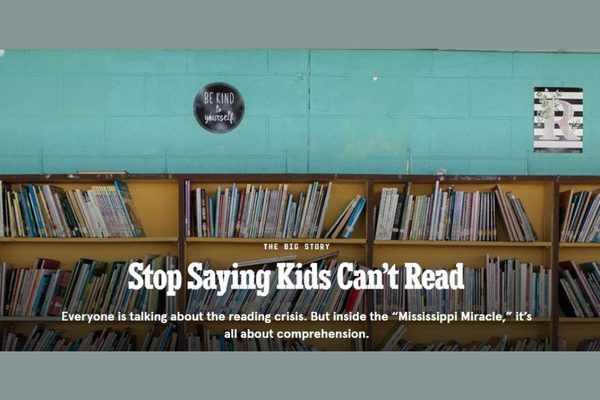
So peer pressure about being left behind can offer one incentive. The rest of the article, though, offers a sobering and perhaps depressing conclusion: maybe reading is just too boring for modern kids to ever want to do it for fun. I desperately hope that isn't true, but as the article concludes when it comes to reading assessments and scores, the likeliest outcome is a focus on comprehension at best: "if America is going to pull itself out of this standardized test score slump, it will happen through skill drills, not students losing themselves in novels. Adding a reading gate at the end of eighth grade might make more of them pass the test, she thinks, but it certainly wouldn’t make any of them read books."
Related Posts
Book Rohit To Speak
Want to bring these ideas to your next event?
Rohit turns the thinking behind posts like this one into keynotes for audiences around the world, from Fortune 500 leadership teams to global industry conferences.
Learn More About Speaking
How It All Started
A Short Backstory Of This Blog
This is a blog about non-obvious ideas. Originally launched on the Typepad platform in 2005 as the Influential Marketing blog, the stories at first focused mainly on digital marketing while Rohit worked at Ogilvy Advertising. In 2015 Rohit officially rebranded to the Non-Obvious Insights Blog and published his WSJ bestseller Non-Obvious. For the past twenty one years, this blog has coined new terms, introduced future marketing practices and inspired the next generation of non-obvious thinkers and marketers.