








MAY 15, 2024|FOOD AND DRINK
The True Story of How America Killed the Jalapeño Pepper
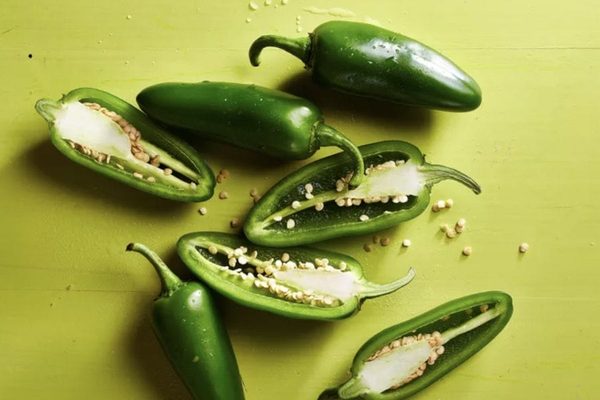
Have you noticed that the jalapeño pepper seems to be getting less and less spicy? For the longest time, I figured this was just a personal issue with my spice-adjusted Indian taste buds, but it turns out jalapeño peppers are indeed getting less spicy, because Americans are intentionally making them like that.
This is the "great chili pepper controversy" and it's been decades in the making. If you want to listen to a fascinating story of farming gone wrong (or perhaps right, depending on your perspective), have a listen to the Slate Decoder Ring show -- or just read the transcript here.
The explanation is that a less spicy jalapeño is more versatile for use in salsas and other shelf stable Mexican food products. You can always make something spicier by adding chili, but you can't make it less unless you start with already mild peppers. So how did they make them? Cross breeding bell peppers with jalapeños did the trick ... and the guy behind it all was known as Dr. Pepper. That's who you have to blame for those bland useless jalapeños. Thankfully, he's retired now so it's unlikely he'll be able to do any further damage by getting his hands on the habanero pepper too.
PS - I also found a useful blog post with some good tips on how to select a spicy jalapeño pepper versus a milder one.
Related Posts
Book Rohit To Speak
Want to bring these ideas to your next event?
Rohit turns the thinking behind posts like this one into keynotes for audiences around the world, from Fortune 500 leadership teams to global industry conferences.
Learn More About Speaking
How It All Started
A Short Backstory Of This Blog
This is a blog about non-obvious ideas. Originally launched on the Typepad platform in 2005 as the Influential Marketing blog, the stories at first focused mainly on digital marketing while Rohit worked at Ogilvy Advertising. In 2015 Rohit officially rebranded to the Non-Obvious Insights Blog and published his WSJ bestseller Non-Obvious. For the past twenty one years, this blog has coined new terms, introduced future marketing practices and inspired the next generation of non-obvious thinkers and marketers.