







NOVEMBER 21, 2025|GOVERNMENT & POLITICS
The Truth About Toxic Words and Why Word Policing Doesn't Work

In closed meetings leading up to the G20 Summit happening in South Africa this weekend, early reports note that in addition to the Trump administration choosing to boycott the event, U.S. officials are stalling talks and obstructing agreements because they "objected to the use of terms like 'equity' and 'universal health care.'" Earlier this year, the NY Times also published a list of "words that are disappearing in the new Trump administration." This has included many banned words in relation to heath care and health policy, drawing criticism from industry trade groups like the American Cancer Society.
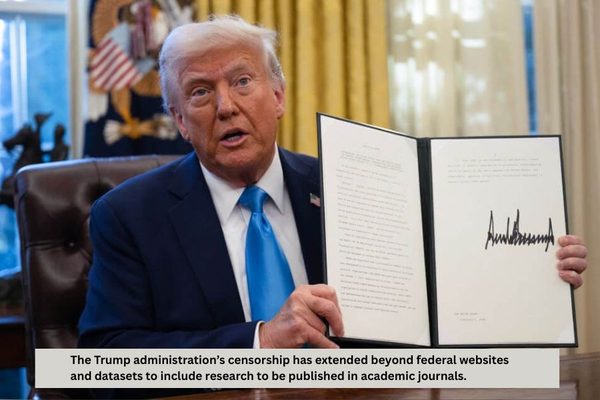
"Some ordered the removal of these words from public-facing websites or ordered the elimination of other materials (including school curricula) in which they might be included. In other cases, federal agency managers advised caution in the terms’ usage without instituting an outright ban. Additionally, the presence of some terms was used to automatically flag for review some grant proposals and contracts that could conflict with Mr. Trump’s executive orders."
Outside of the government, social media platforms are also banning certain words. Last week I read a book about how social media is changing the way that we talk and words that are frequently used, partially as a reaction to this word policing:
"The word “kill” is suppressed on TikTok, so many creators have turned to say unalive instead. And now we have kids in middle schools writing essays about Hamlet unaliving himself, and that's an example of social media algorithmic speak bleeding into the mainstream."
The interesting thing about all the rhetoric and effect of algorithms on the way we communicate is that banning a word doesn't prevent that thing from mattering or people from discussing it. It just incentivizes people to find workarounds.
Book Rohit To Speak
Want to bring these ideas to your next event?
Rohit turns the thinking behind posts like this one into keynotes for audiences around the world, from Fortune 500 leadership teams to global industry conferences.
Learn More About Speaking
How It All Started
A Short Backstory Of This Blog
This is a blog about non-obvious ideas. Originally launched on the Typepad platform in 2005 as the Influential Marketing blog, the stories at first focused mainly on digital marketing while Rohit worked at Ogilvy Advertising. In 2015 Rohit officially rebranded to the Non-Obvious Insights Blog and published his WSJ bestseller Non-Obvious. For the past twenty one years, this blog has coined new terms, introduced future marketing practices and inspired the next generation of non-obvious thinkers and marketers.