








JANUARY 21, 2026|AUTOMOTIVE & MANUFACTURING
The Unexpected Problem With E-Bikes Might Start with the Name

The dangers of e-bikes are starting to get more attention. Crashes involving these bikes are more serious, have a higher likelihood of fatality and are growing problem for riders and pedestrians alike. A feature article from the NY Times magazine looks at how communities across the country are dealing with this issue and specifically features a girl named Amelia Stafford who nearly died from an accident that required reconstructive surgery on her skull. Talking about the experience now, she raises an interesting point:
Amelia calls the term e-bike “a play on words.” If the machines were called motorbikes, she believes, they would be far less popular. “But the fact that it’s called an e-bike” — evoking such everyday stuff as email, e-books or (less salubriously) e-cigarettes — “makes it accessible.”
Her friend Coral concurs. “People don’t think about them as mini-motorcycles, which is really what they are,” she says. “People think of them as ‘bikes plus’ — just, like, a little extra. It’s really geared toward younger people who don’t have an understanding of the impacts.”
Bikes have always offered independence to kids — and liberated parents from ferrying them around — but the fun factor offered by e-bikes mixes dangerously with young people’s proclivity for play, made worse because they are often not old enough to drive and don’t know the rules of the road.
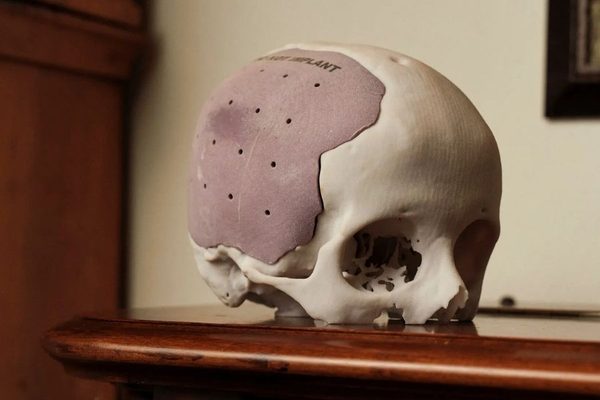
Indeed, many of the accidents with these bikes include kids as young as 12 years old and the idea that the name itself might be part of the problem is one that resonates not just for bikes but also for other innocent sounding things like e-cigarettes which seem less dangerous than the real thing. This renaming strategy is one we commonly see used in business whenever sentiment goes sour.
High fructose corn syrup makers tried to rebrand the toxic sludge to call it corn syrup. Facebook rebranded to Meta after facing scrutiny about their negative impact on our brains. Philip Morris USA changed its name to Altria after decades of legal trouble. Aunt Jemima pancake mix was renamed to Pearl Milling Company after decades of criticism about its brand imagery.
Altogether these offer a reminder of just how important the names of things are for how we perceive them. Everything starts with that.
Book Rohit To Speak
Want to bring these ideas to your next event?
Rohit turns the thinking behind posts like this one into keynotes for audiences around the world, from Fortune 500 leadership teams to global industry conferences.
Learn More About Speaking
How It All Started
A Short Backstory Of This Blog
This is a blog about non-obvious ideas. Originally launched on the Typepad platform in 2005 as the Influential Marketing blog, the stories at first focused mainly on digital marketing while Rohit worked at Ogilvy Advertising. In 2015 Rohit officially rebranded to the Non-Obvious Insights Blog and published his WSJ bestseller Non-Obvious. For the past twenty one years, this blog has coined new terms, introduced future marketing practices and inspired the next generation of non-obvious thinkers and marketers.