








JANUARY 4, 2023|ENTERTAINMENT & HOLLYWOOD
The Unnerving Perfection of the Avatar Movie's Frame Rate

Most films you may watch in a theater or otherwise are shot at a relatively standard 24 frames per second. This allows for the cinematic feeling of the film to come through in a way we as the audience tend to expect. At many points during the new Avatar film, director James Cameron employs a significantly higher frame rate. While the intent is to reduce blur, as NY Times film critic Ben Kenigsberg writes, the effect becomes unnerving as the characters take on a hyper-realistic look that we are not used to seeing.
He writes, “that extreme sharpness, far from being an unalloyed benefit, changes the whole texture of the image, giving it a look that we associate with video and stripping away whatever mystique and aesthetic allure comes from longer time gaps between frames.”
We as moviegoers, in other words, prefer the “inferior” style of the lower frame rate because it creates more visual separation between the real world and the feeling that we are watching a cinematic experience. Higher quality on film, at least, may not always lead to a better experience.
Book Rohit To Speak
Want to bring these ideas to your next event?
Rohit turns the thinking behind posts like this one into keynotes for audiences around the world, from Fortune 500 leadership teams to global industry conferences.
Learn More About Speaking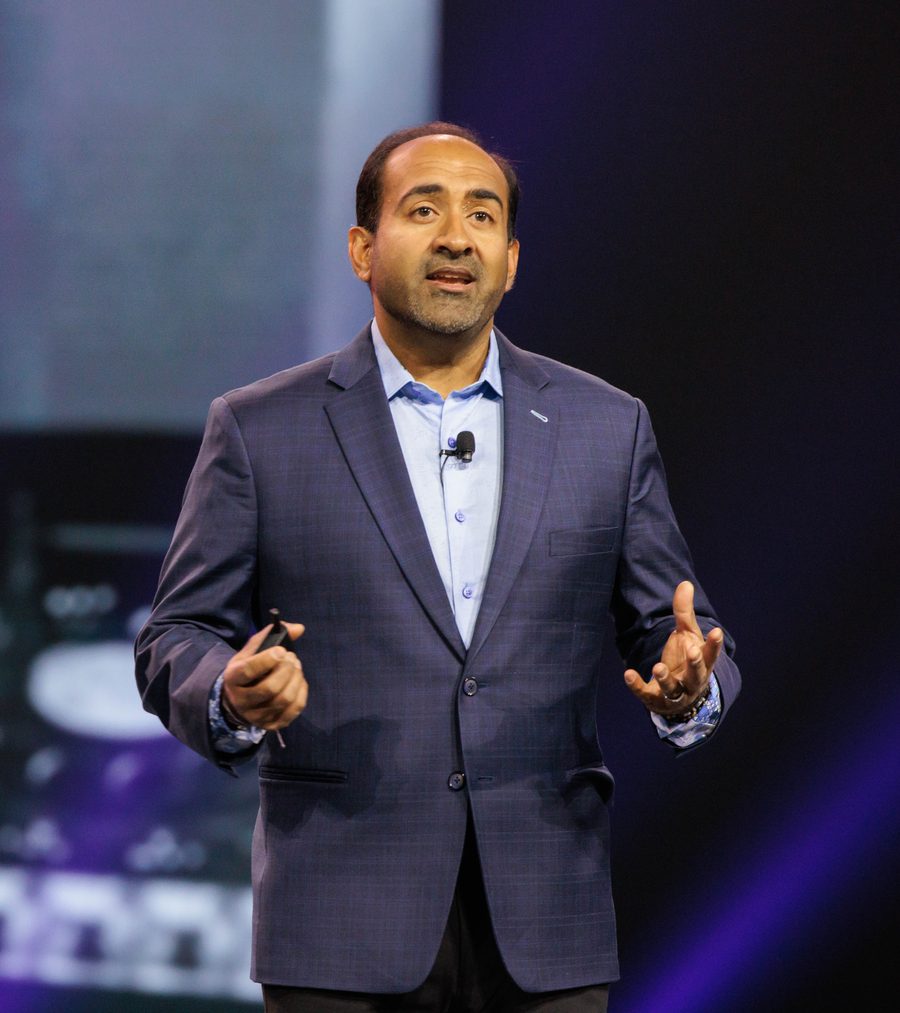
How It All Started
A Short Backstory Of This Blog
This is a blog about non-obvious ideas. Originally launched on the Typepad platform in 2005 as the Influential Marketing blog, the stories at first focused mainly on digital marketing while Rohit worked at Ogilvy Advertising. In 2015 Rohit officially rebranded to the Non-Obvious Insights Blog and published his WSJ bestseller Non-Obvious. For the past twenty one years, this blog has coined new terms, introduced future marketing practices and inspired the next generation of non-obvious thinkers and marketers.