








SEPTEMBER 27, 2024|ARTIFICIAL INTELLIGENCE
This Chatbot Could Actually Change Minds ... Using Facts?!
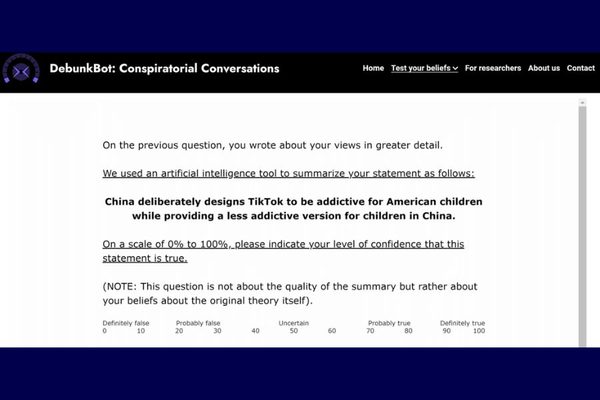
The prevailing wisdom about human behaviors and beliefs today is that facts are not persuasive in changing minds or shifting beliefs. Usually, it's true. That's one reason why there is so much focus on becoming a better storyteller and why every category from politicians to breakfast cereal marketers primarily relies on stories to connect with people. Stories do work, but a recent study featuring a chatbot called the DebunkBot is challenging this long-held idea as profiled in a recent NY Times article:
“Until now, conventional wisdom held that once someone fell down the conspiratorial rabbit hole, no amount of arguing or explaining would pull that person out. The theory was that people adopt conspiracy theories to sate an underlying need to explain and control their environment, [but] what if debunking attempts just haven’t been personalized enough?
Since conspiracy theories vary so much from person to person — and each person may cite different pieces of evidence to support one’s ideas — perhaps a one-size-fits-all debunking script isn’t the best strategy. A chatbot that can counter each person’s conspiratorial claim of choice with troves of information might be much more effective, the researchers thought.”
Their idea not only worked in about 20% of the cases (an unusually high number), but when those same conspiracy theorists were interviewed 2 months later, they had not gone back to their old beliefs making this an extremely rare case where the results of belief change were not short-lived.
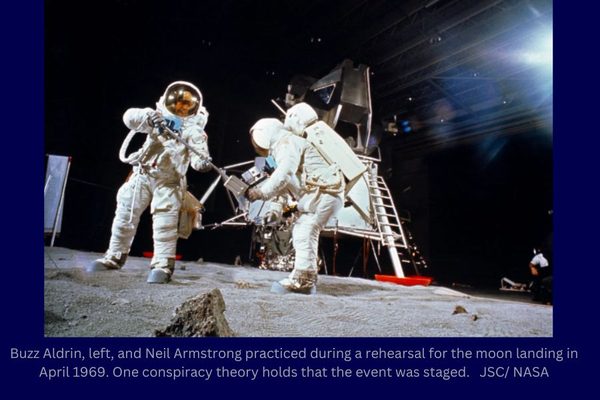
Past research has shown that someone who is accustomed to their family and friends attacking them for their unpopular beliefs will often respond by digging in their heels and doubling down on that same belief. So it's logical to think they may be more inclined to listen to and even trust an impartial machine. In other words, this could be a situation where AI can do what humans seemingly can't. Bring someone back from the edge of a conspiracy theory and get them to change their minds.
Rohit speaks on this topic. See his AI keynote.
Book Rohit To Speak
Want to bring these ideas to your next event?
Rohit turns the thinking behind posts like this one into keynotes for audiences around the world, from Fortune 500 leadership teams to global industry conferences.
Learn More About Speaking
How It All Started
A Short Backstory Of This Blog
This is a blog about non-obvious ideas. Originally launched on the Typepad platform in 2005 as the Influential Marketing blog, the stories at first focused mainly on digital marketing while Rohit worked at Ogilvy Advertising. In 2015 Rohit officially rebranded to the Non-Obvious Insights Blog and published his WSJ bestseller Non-Obvious. For the past twenty one years, this blog has coined new terms, introduced future marketing practices and inspired the next generation of non-obvious thinkers and marketers.