








MAY 28, 2024|ARTIFICIAL INTELLIGENCE
Truecaller Offers Perfectly Useless Feature to Let AI Respond to Calls in Your Voice
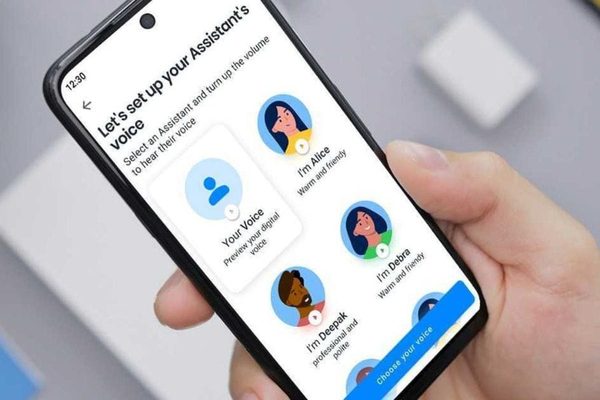
This week's example of unnecessary AI innovation comes from the caller ID platform Truecaller which is using Microsoft's Personal Voice technology to power a new tool that can "replicate users' voices in order to greet and respond to callers." Here's a breakdown of each “feature” it promises, along with a list of how I currently accomplish these things myself:
- "Answer phone calls for you" - I can answer them myself, if I want.
- "Screen unknown calls" - I don't answer.
- "Take messages" - Voicemail was made for this already.
- "Respond on your behalf" - Impersonal and annoying to the caller.
- "Record the call" - Sneaky without permission and mostly unnecessary.
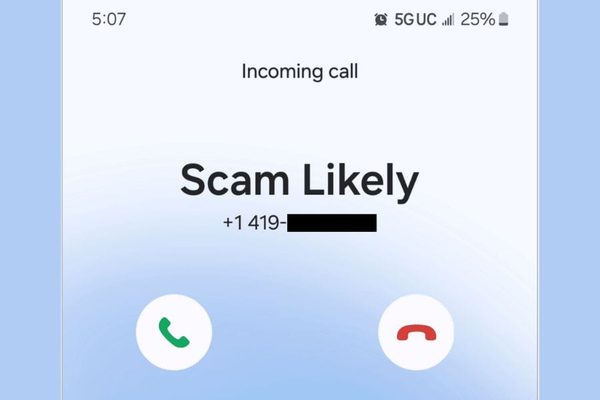
The BEST call-related feature of my phone is that most unknown calls show up as "Scam Likely," so the last thing I need is AI responding to scam phone calls thereby encouraging more scammers to call me. Instead, I wish someone would make a button that simply lets me "Block Forever" on any scam call.
This would be like the phone equivalent of unsubscribing to an email. Not only would that be emotionally fulfilling, it would also be wildly useful. The point is, I don't need technology that responds to conversations I don't want to have in the first place. Or technology that pretends to be me. I'd much rather have technology that filters out these unwanted encounters in the first place.
Rohit speaks on this topic. See his AI keynote.
Book Rohit To Speak
Want to bring these ideas to your next event?
Rohit turns the thinking behind posts like this one into keynotes for audiences around the world, from Fortune 500 leadership teams to global industry conferences.
Learn More About Speaking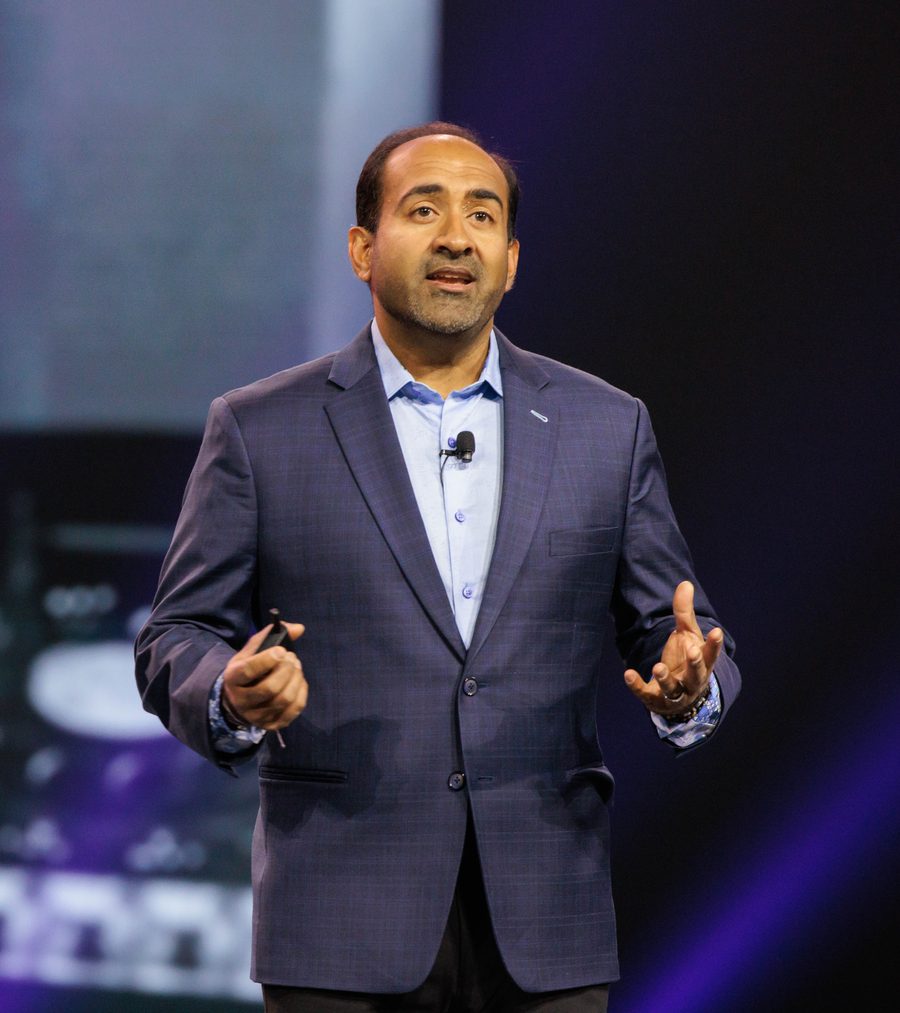
How It All Started
A Short Backstory Of This Blog
This is a blog about non-obvious ideas. Originally launched on the Typepad platform in 2005 as the Influential Marketing blog, the stories at first focused mainly on digital marketing while Rohit worked at Ogilvy Advertising. In 2015 Rohit officially rebranded to the Non-Obvious Insights Blog and published his WSJ bestseller Non-Obvious. For the past twenty one years, this blog has coined new terms, introduced future marketing practices and inspired the next generation of non-obvious thinkers and marketers.