








MAY 14, 2009|BRANDS & MARKETING
Untangling Your Brand: 4 Marketing Lessons From Lost
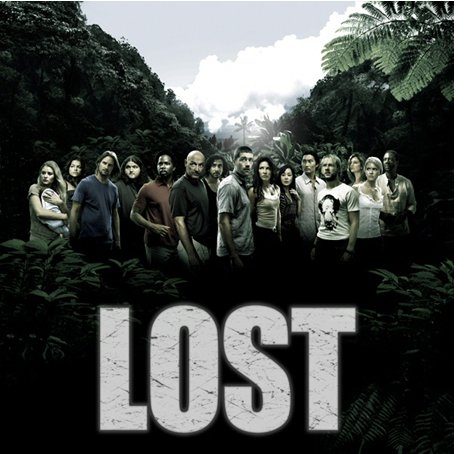 Last night was the season finale of the TV show Lost - and just in case you haven't watched it and have it sitting on DVR waiting for you, don't worry ... there are no spoilers in this post. Actually, though I'm an enthusiast of the show, the reason for this post isn't to gush about how great I think it is. It is about what you learn from how the show has been promoted. Like many recent dramas, it is not an easy show to follow. It isn't about nothing, and you can't just miss a few episodes and still get into it. Yet as I wrote about in PNI (search for "Lost" with the Search Inside feature on Amazon - it is Page 108) - the show's unique format of taking you into the backstory of each characters builds an emotional investment from the viewer in a way that many other shows never manage to do. You believe in the characters because you know about the situations that make them the way that they are.
There is a marketing lesson in that, as there is in several other choices the show's producers and marketing teams have made. Here are a few things that the show does and the marketing lesson that you can learn from them:
Last night was the season finale of the TV show Lost - and just in case you haven't watched it and have it sitting on DVR waiting for you, don't worry ... there are no spoilers in this post. Actually, though I'm an enthusiast of the show, the reason for this post isn't to gush about how great I think it is. It is about what you learn from how the show has been promoted. Like many recent dramas, it is not an easy show to follow. It isn't about nothing, and you can't just miss a few episodes and still get into it. Yet as I wrote about in PNI (search for "Lost" with the Search Inside feature on Amazon - it is Page 108) - the show's unique format of taking you into the backstory of each characters builds an emotional investment from the viewer in a way that many other shows never manage to do. You believe in the characters because you know about the situations that make them the way that they are.
There is a marketing lesson in that, as there is in several other choices the show's producers and marketing teams have made. Here are a few things that the show does and the marketing lesson that you can learn from them:
- Share the backstory. As I mentioned above, giving viewers a look at where the characters come from gives each of them a sense purpose and allows you to feel more empathy towards them. As any good screenwriter knows, the point isn't for you to love every character - it's for you to feel something towards them. Once you do that, you're engaged in the show. Marketing Lesson: Make sure you share the story behind your brand so you can give people a reason to believe in it.
- Untangle the complexity. One of the smartest things the show does is they feature a simplified 3-5 minute version of every episode untangled (see video below in this post). These descriptions are from the outside looking into the show, referring to a character who wears too much eye makeup as "eyeliner" and poking fun generally at the actors in the show and the way they portray their roles. Alongside this irreverance, Lost Untangled explains the plotline of every episode in a way that allows you to understand it despite the complexity of time shifting, multiple characters and hidden clues. Marketing Lesson: If you have something complicated to sell, get creative about how you can simplify it.
- React to your critics. Early in the show, the creators were criticized because they got people emotionally invested in the core characters of the show, and then introduced new characters and shifted the focus. Many viewers were confused because the characters they knew had essentially vanished. Though this was presumably part of the broader story arc, the producers recognized that viewers needed some connection to the characters they already loved, and found a way to bring that back - while still progressing their story and introducing the new characters they had planned to. Marketing Lesson: Don't ignore your critics, but don't change your strategy because of them either.
- Have a finite ending. As the trailers after last night's finale noted, next year will be the final season of Lost. For a top rated show, it cannot have been an easy decision to let the show end at what seems to be the height of its popularity - yet having a finite end is important for both audiences and for the writers of the show. Everyone knows that the show is leading toward something. There is a sense of anticipation and excitement, as well as urgency to watch. It's not a soap opera where people go into comas, die, wake up and go on again. Marketing Lesson: Having an ending is important - even if it's just a campaign that ends so you can start a new one.
Related Posts
Book Rohit To Speak
Want to bring these ideas to your next event?
Rohit turns the thinking behind posts like this one into keynotes for audiences around the world, from Fortune 500 leadership teams to global industry conferences.
Learn More About Speaking
How It All Started
A Short Backstory Of This Blog
This is a blog about non-obvious ideas. Originally launched on the Typepad platform in 2005 as the Influential Marketing blog, the stories at first focused mainly on digital marketing while Rohit worked at Ogilvy Advertising. In 2015 Rohit officially rebranded to the Non-Obvious Insights Blog and published his WSJ bestseller Non-Obvious. For the past twenty one years, this blog has coined new terms, introduced future marketing practices and inspired the next generation of non-obvious thinkers and marketers.