








FEBRUARY 1, 2006|PERSONAL BRANDING
Using Blogs for Personal Marketing
Guy Kawasaki has an interesting post on his blog today about his traffic after 30 days of blogging. Not surprisingly, his blog is hugely popular, with lots of loyal readers ... but one really interesting point from this is how positively his blog has impacted sales of his book (propelled it from an Amazon sales rank of between #1,500 and #2,000 to it's current state between #500 and #750). After just 30 days. Now the additionally interesting piece of this, is that by providing links to his books on Amazon, he has found a secondary revenue model for consumers buying the books through those links. Put that together with the surge in awareness of his ideas and existence (for those who might not have heard of him) - and the conclusion is the using a blog for personal marketing definitely works. It's a big reason why many people blog about professional topics.
So, in honor Guy's posting style, here are some of my observations on how to effectively use your blog to market yourself:
- Share insight, not the obvious. The really successful blogs are the ones that have a point of view. Sometimes posts on what just launched or new people blogging are fine ... if you have a scoop. But if you have a deliberate point of view, and original ideas - readers will take notice. More importantly, they'll respect you for it.
- Link to your influencers. Part of personal marketing is networking - and networking is all about meeting the right people. In your industry, there are probably people you admire. Guy is one of the people I admire. That's part of the reason I'm writing this and linking to his blog. Bloggers pay attention to who links to them. Sharing your voice and building on your influencer's ideas is great way to help them realize that you exist.
- Optimize your blog and posts for search. Everyone has some kind of percentage statistic for how important search engines are to site traffic. And search engines love blogs. As a result, you don't have to be an SEM whiz to optimize your site. Just use keywords, add tags, have good categories and good titles for your posts. You'll be surprised how many people start to find your site.
- Talk about what you know. I love the tagline for Squidoo - everyone is an expert. It's true, but what's even more true is that people want expertise. They are often seeking it online. If your blog shares your expertise with the world, you will build your reputation and get great PR. John's blog on organizational skills is a great example of this.
- Make your blog part of your signature. Every day you meet people - or send emails. If you are in an industry like mine, you can send hundreds of emails a week. These are your single greatest marketing opportunities. Put your blog on there, and drive people there to learn more about you and your expertise. You never know how it might pay off.
- Post about the moment. There are times when I have been in the middle of a pitch for a technology client - and so I posted on my blog about what it takes to reach IT managers, for example. It's easy because it's the mindset I am in at that moment - but it's also a softer sales tool. If a client that I am pitching does manage to make it to my site, they will find something relevant and helpful. On some future pitch, that might make the difference between winning and losing.
- Have a good archive. Chances are, the times when you first let someone know about your blog, there will be lots of older content that is relevant, but hidden from the front page. This is especially true when you have been posting for a long time. To help your readers find all the smart ideas you have posted in the past, great categories, features like a site calendar and a powerful site search are vital. Otherwise some of your best ideas could be lost or hidden from the very people you want to read them.
Book Rohit To Speak
Want to bring these ideas to your next event?
Rohit turns the thinking behind posts like this one into keynotes for audiences around the world, from Fortune 500 leadership teams to global industry conferences.
Learn More About Speaking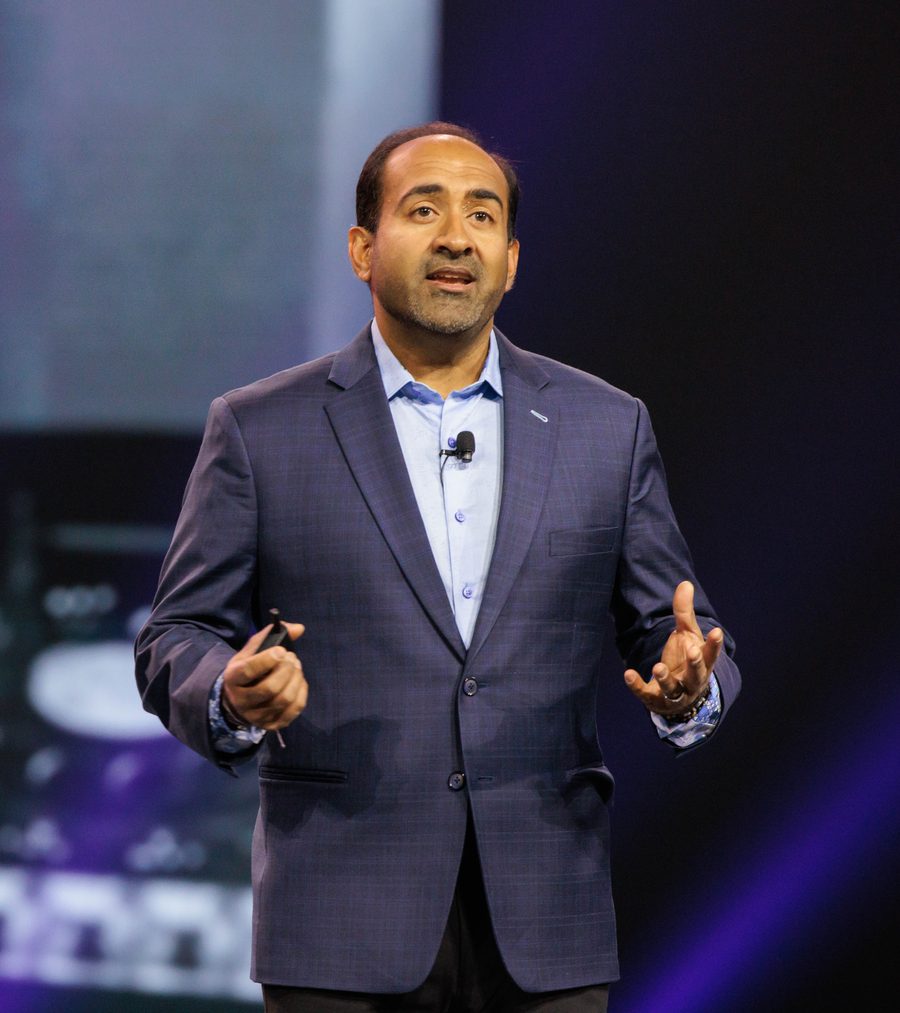
How It All Started
A Short Backstory Of This Blog
This is a blog about non-obvious ideas. Originally launched on the Typepad platform in 2005 as the Influential Marketing blog, the stories at first focused mainly on digital marketing while Rohit worked at Ogilvy Advertising. In 2015 Rohit officially rebranded to the Non-Obvious Insights Blog and published his WSJ bestseller Non-Obvious. For the past twenty one years, this blog has coined new terms, introduced future marketing practices and inspired the next generation of non-obvious thinkers and marketers.