








AUGUST 18, 2008|SPORTS & OLYMPICS
Visa's Exclusive Olympic Sponsorship Backfires
There is a myth in marketing today that many people blindly believe about sponsoring events ... that you always need exclusivity. The benefits of being an exclusive sponsor are easy to list, but there are some less considered negative aspects that could end up doing more harm to your brand than good. Let's look at the stories of a worldwide Olympic sponsor for whom the strategy of being an exclusive sponsor may not be such a good idea ... Visa.
Just about every Olympic traveller here in Beijing has a story to tell about one really annoying moment when they were trying to pay for something and learned that at all Olympic venues the only card they could use was a Visa and no other type of credit card. The fact is, people already have decided on their credit cards before arriving at the Olympics. Hardly any first time Olympic visitor is going to know that Visa is the only card accepted at the Games, and arriving here to learn this fact can make life very difficult and expensive. In addition, business travellers are often locked into a particular kind of credit card to use for work and finding that they cannot use it is a very big inconvenience that is blamed on Visa. The end result is lots of negative experiences and consumer anger against Visa, including several people I spoke to who even said they would NOT get a new Visa card because of this tactic. The incremental sales and revenue for Visa cards at the Games may be good, but the word of mouth generated for Visa at the world's largest sporting event is nearly all negative.
Another example of the down side of exclusivity from the Olympics is what I remember from Foster's sponsorship of the Games in Sydney. If you are among the many people in America who think Fosters is actually an Australian beer, let me burst your bubble. It is an American beer and before the Olympics in Sydney, you could not find it anywhere in Australia. During the Sydney Games, lots of Americans travelled to Sydney, which Fosters knew, so they purchased a large sponsorship where they were one of two kinds of beer served at events. I went to one beach volleyball event and vividly remember one side of the beer stand with the Aussie beer sold out, and the Fosters side with lots of stock untouched. It was an embarassing moment for Fosters. Added to that was all the Australians who talked about how Fosters was not, in fact, Australian.
There are likely many other examples of brands that should think a bit harder about whether an exclusive sponsorship actually makes the most sense for them. Don't get me wrong, sometimes exclusive sponsorships can work very well, if the strategy aligns with the experience offered and way that the brand is integrated into the event. Adidas' sponsorship of the Olympics works because they supply all the uniforms and custom made gear. Omega's sponsorship works because they are the official timepiece at an event were time really matters. Not surprisingly, I think Lenovo's sponsorship of the Games works for a similar reason. Ultimately, there are some brands who can realize the benefit of exclusivity and some that cannot. The trick is understanding where your brand fits before you drop a big chunk of your marketing budget into an exclusive sponsorship that won't deliver the way you expect.
Rohit speaks on this topic. See his marketing keynote.
Related Posts
Book Rohit To Speak
Want to bring these ideas to your next event?
Rohit turns the thinking behind posts like this one into keynotes for audiences around the world, from Fortune 500 leadership teams to global industry conferences.
Learn More About Speaking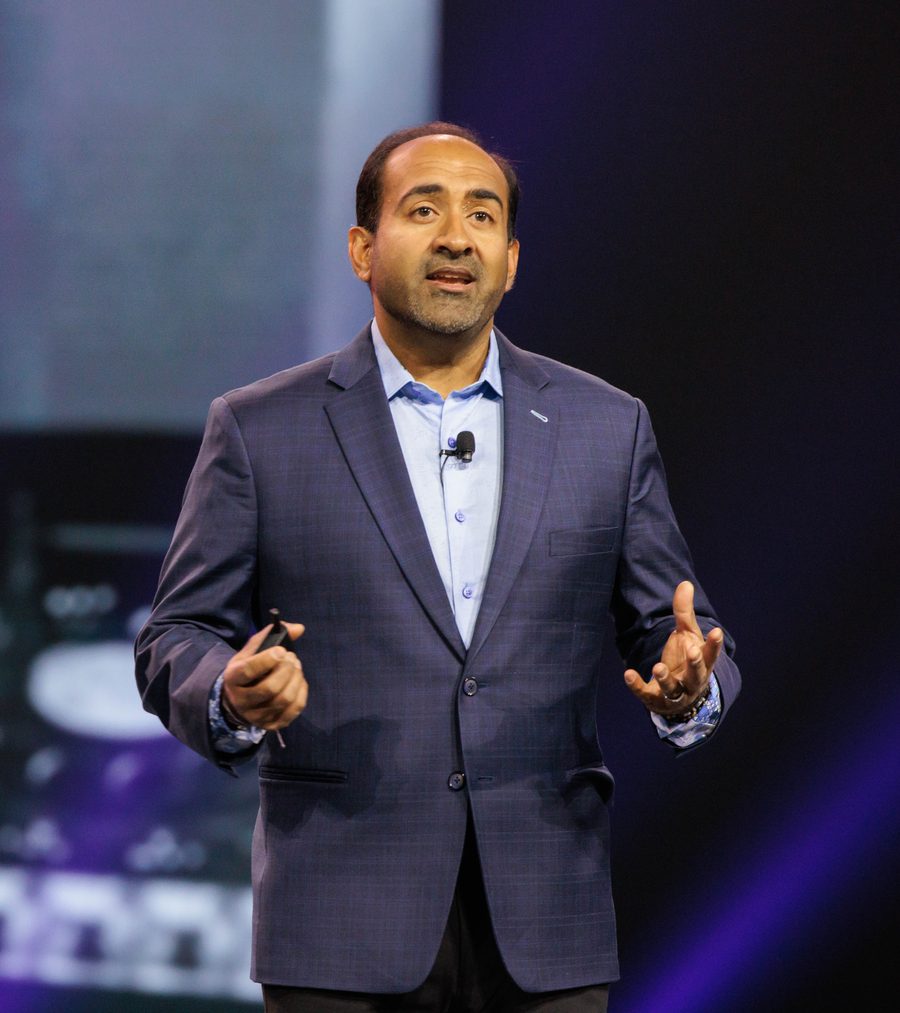
How It All Started
A Short Backstory Of This Blog
This is a blog about non-obvious ideas. Originally launched on the Typepad platform in 2005 as the Influential Marketing blog, the stories at first focused mainly on digital marketing while Rohit worked at Ogilvy Advertising. In 2015 Rohit officially rebranded to the Non-Obvious Insights Blog and published his WSJ bestseller Non-Obvious. For the past twenty one years, this blog has coined new terms, introduced future marketing practices and inspired the next generation of non-obvious thinkers and marketers.