








FEBRUARY 18, 2015|ADVERTISING
What Coke Can Teach McDonald's About Love
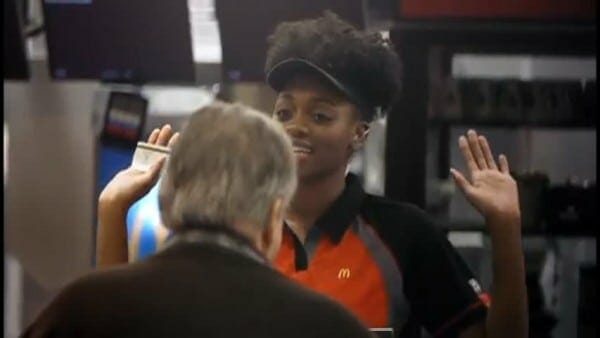
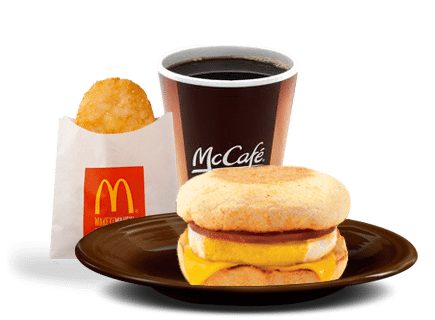 Unfortunately, customers are most definitely NOT lovin' it ... particularly the public humiliation that accompanies "winning" the chance to do a dance or hug a stranger as payment for your $1 Egg McMuffin. It turns out that people don't particularly want to be extroverted flash mob dancers or creepy anonymous huggers in the morning (not counting curious journalists wanting to experience lovin' in order to write about it). Most people just want their breakfast and coffee, thank you very much.
Of course, in retrospect that seems perfectly obvious.
If public speaking is one of the biggest fears of the average person, than putting anyone on the spot to perform on cue in front of strangers is clearly going to cause discomfort for many. So the question I started wondering was -- how could McDonald's miscalculate something so obvious?
The answer comes down to a mistake that we as people make all the time.
Sometimes we try to love someone the way we want to, instead of the way they want us to. It doesn't work for people and it doesn't work for brands either.
McDonald's wants us to show our love for their products and for each other. That's on brand. The problem is, nearly 100% of anyone who goes to a McDonald's is attracted by one of three things - speed/convenience, price/budget or food/taste. The new campaign focuses on exactly none of those (unless you consider this idea to be merely another type of price promotion).
Customers might love getting a burger for a dollar, or the taste of their fries, or the fact that they can drive through in the middle of a snowstorm. Most are highly unlikely to love having to perform to save a few dollars - even if it's as simple as a high five.
The sad thing about the campaign is that the idea could have worked amazingly well for another brand. What if a bank did this - and put a few dollars in your account as a random gift? Or if an airline rewarded random acts of kindness with some kindness of its own by buying pizza for an entire flight of passengers?
The point is, the idea of paying with lovin' is actually a brilliant one ... just not for McDonald's. Could it have worked? Well, getting lovin' right for customers isn't easy, but one brand that McDonald's should have paid more attention to when developing the idea is one of their biggest partners: Coca-Cola.
Unfortunately, customers are most definitely NOT lovin' it ... particularly the public humiliation that accompanies "winning" the chance to do a dance or hug a stranger as payment for your $1 Egg McMuffin. It turns out that people don't particularly want to be extroverted flash mob dancers or creepy anonymous huggers in the morning (not counting curious journalists wanting to experience lovin' in order to write about it). Most people just want their breakfast and coffee, thank you very much.
Of course, in retrospect that seems perfectly obvious.
If public speaking is one of the biggest fears of the average person, than putting anyone on the spot to perform on cue in front of strangers is clearly going to cause discomfort for many. So the question I started wondering was -- how could McDonald's miscalculate something so obvious?
The answer comes down to a mistake that we as people make all the time.
Sometimes we try to love someone the way we want to, instead of the way they want us to. It doesn't work for people and it doesn't work for brands either.
McDonald's wants us to show our love for their products and for each other. That's on brand. The problem is, nearly 100% of anyone who goes to a McDonald's is attracted by one of three things - speed/convenience, price/budget or food/taste. The new campaign focuses on exactly none of those (unless you consider this idea to be merely another type of price promotion).
Customers might love getting a burger for a dollar, or the taste of their fries, or the fact that they can drive through in the middle of a snowstorm. Most are highly unlikely to love having to perform to save a few dollars - even if it's as simple as a high five.
The sad thing about the campaign is that the idea could have worked amazingly well for another brand. What if a bank did this - and put a few dollars in your account as a random gift? Or if an airline rewarded random acts of kindness with some kindness of its own by buying pizza for an entire flight of passengers?
The point is, the idea of paying with lovin' is actually a brilliant one ... just not for McDonald's. Could it have worked? Well, getting lovin' right for customers isn't easy, but one brand that McDonald's should have paid more attention to when developing the idea is one of their biggest partners: Coca-Cola.
 The Coke brand marketing team are masters at creating theatrical moments that inspire love, friendship and happiness across the world. Through their "Happiness Machines" they have connected people in Pakistan and India, celebrated friendship in 7 countries, and made commuting just a little bit better with "rush hour cinema" in Colombia.
These examples perfectly illustrate the difference between McDonald's and Coke's marketing strategy. Coke has a multi-year global strategy built on a single vision and message, and understanding creating experiences appropriate to the spaces they are placed in. McDonald's has a single US-only idea launched through an expensive Super Bowl ad and seemingly disconnected from the actual experience customers want to have in their locations.
Perhaps the silver lining here is that in time, consumers will forget the silliness of McDonald's offer to let them "pay with lovin" (which has already thankfully ended) and loyal customers will keep coming back to get their coffee and McMuffins anyway. Hopefully after they do move on, they will remember the important marketing lesson they so perfectly brought to life for all of us to learn from as well ...
Standing for something is a nice brand ideal. Unfortunately, it will usually fail if the place you choose to take that stand is right between your customers and the experience they came to you for in the first place.
The Coke brand marketing team are masters at creating theatrical moments that inspire love, friendship and happiness across the world. Through their "Happiness Machines" they have connected people in Pakistan and India, celebrated friendship in 7 countries, and made commuting just a little bit better with "rush hour cinema" in Colombia.
These examples perfectly illustrate the difference between McDonald's and Coke's marketing strategy. Coke has a multi-year global strategy built on a single vision and message, and understanding creating experiences appropriate to the spaces they are placed in. McDonald's has a single US-only idea launched through an expensive Super Bowl ad and seemingly disconnected from the actual experience customers want to have in their locations.
Perhaps the silver lining here is that in time, consumers will forget the silliness of McDonald's offer to let them "pay with lovin" (which has already thankfully ended) and loyal customers will keep coming back to get their coffee and McMuffins anyway. Hopefully after they do move on, they will remember the important marketing lesson they so perfectly brought to life for all of us to learn from as well ...
Standing for something is a nice brand ideal. Unfortunately, it will usually fail if the place you choose to take that stand is right between your customers and the experience they came to you for in the first place.Rohit speaks on this topic. See his marketing keynote.
Related Posts
Book Rohit To Speak
Want to bring these ideas to your next event?
Rohit turns the thinking behind posts like this one into keynotes for audiences around the world, from Fortune 500 leadership teams to global industry conferences.
Learn More About Speaking
How It All Started
A Short Backstory Of This Blog
This is a blog about non-obvious ideas. Originally launched on the Typepad platform in 2005 as the Influential Marketing blog, the stories at first focused mainly on digital marketing while Rohit worked at Ogilvy Advertising. In 2015 Rohit officially rebranded to the Non-Obvious Insights Blog and published his WSJ bestseller Non-Obvious. For the past twenty one years, this blog has coined new terms, introduced future marketing practices and inspired the next generation of non-obvious thinkers and marketers.