








NOVEMBER 22, 2021|ENTERTAINMENT & HOLLYWOOD
What If Spoiler Alerts Make Us Stupid?
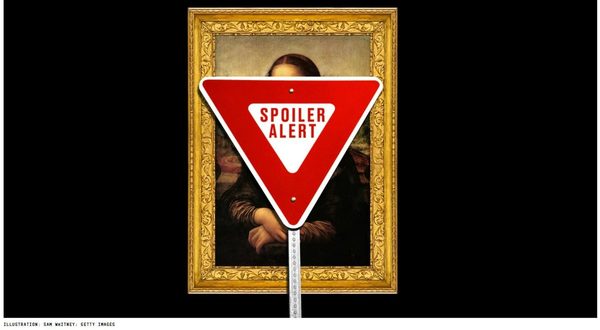
What if spoiler alerts didn't exist? For many of us, this would immediately feel like a bad thing. In our world of time-shifted entertainment, it feels obvious that we need these warnings in order to avoid unintentionally spoiling a twist ending for ourselves. That's what I would have said too, but an article in WIRED helped me question that assumption:
“Good criticism should not cater to our childish fears of spoiled pleasures, with disclaimers and warnings and other acts of silly self-debasement. It should honestly evaluate a work of art in its entirety, and you can’t do that without talking about what happens. Besides, it’s not even clear that spoilers really do ruin one’s experience of art.
We know Romeo and Juliet do; doesn’t mean we skip the show. On the contrary, when the burden of plot is relieved, you’re free to observe the ways in which a story is told, the choices and foreshadowing and subtle manipulations: the things that make art truly artistic.”
I'm not sure I agree with this argument, but it did get me thinking. How important is it to preserve the mystery of how things end in order to heighten our experience of it?
A similar question came to mind as I read about Adele's insistence that Spotify remove the shuffle button from her new album so her fans would be compelled to listen to the songs only in the order she intended. Is she crossing a line or simply trying to preserve the artistic integrity of what she created?
Book Rohit To Speak
Want to bring these ideas to your next event?
Rohit turns the thinking behind posts like this one into keynotes for audiences around the world, from Fortune 500 leadership teams to global industry conferences.
Learn More About Speaking
How It All Started
A Short Backstory Of This Blog
This is a blog about non-obvious ideas. Originally launched on the Typepad platform in 2005 as the Influential Marketing blog, the stories at first focused mainly on digital marketing while Rohit worked at Ogilvy Advertising. In 2015 Rohit officially rebranded to the Non-Obvious Insights Blog and published his WSJ bestseller Non-Obvious. For the past twenty one years, this blog has coined new terms, introduced future marketing practices and inspired the next generation of non-obvious thinkers and marketers.