







APRIL 29, 2026|ECONOMICS & MONEY
What If the Biggest Threat to Human Thinking Isn't AI?

Most conversations about the future threat to human reasoning start and end with artificial intelligence. That misses a big threat that's finally getting more attention: prediction markets. The idea behind prediction markets is that anyone can place a wager on the outcome of a real-world event — an election, a war, a policy decision — and the collective odds supposedly reflect the wisdom of the crowd. Kalshi founder Tarek Mansour has vocally defended the concept in interviews, arguing that these markets democratize information and are really nothing new. Some mainstream outlets seem to agree.
Last Week Tonight recently dedicated a segment to exposing the problems with prediction markets, a feature in The Walrus explored how they're turning geopolitical events into money-making schemes, and Forbes briefly experimented with its own non-monetary prediction market to collect reader perspectives on mass shootings — a move that triggered immediate backlash.

That Forbes experiment reveals why these markets can be problematic. To make an event "bettable," you have to reduce it to a binary outcome — did a word get mentioned or not, did a thing happen or not. All the nuance, context, and human meaning of the event get stripped away in the process. That's the real issue with prediction markets and the risk it presents to human thinking.
While AI at least attempts to summarize even complicated ideas, prediction markets usually aim to eliminate it in favor of quick answers. There's a real difference between crowdsourcing wisdom and crowdsourcing odds because one tries to make sense of the world while the other just tries to profit from it. When the substance of geopolitical events and their human significance get reduced to the most basic elements such as whether a single word is mentioned or not, then the value of understanding gets replaced by triviality.
Book Rohit To Speak
Want to bring these ideas to your next event?
Rohit turns the thinking behind posts like this one into keynotes for audiences around the world, from Fortune 500 leadership teams to global industry conferences.
Learn More About Speaking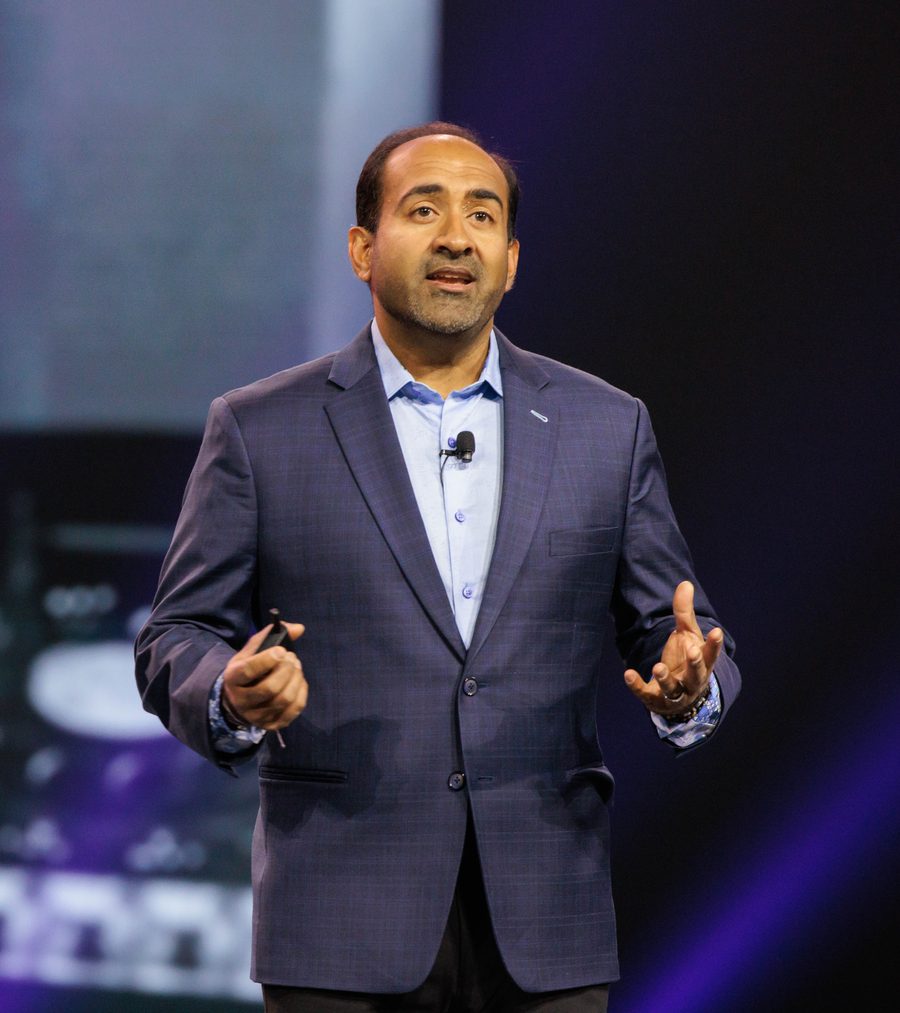
How It All Started
A Short Backstory Of This Blog
This is a blog about non-obvious ideas. Originally launched on the Typepad platform in 2005 as the Influential Marketing blog, the stories at first focused mainly on digital marketing while Rohit worked at Ogilvy Advertising. In 2015 Rohit officially rebranded to the Non-Obvious Insights Blog and published his WSJ bestseller Non-Obvious. For the past twenty one years, this blog has coined new terms, introduced future marketing practices and inspired the next generation of non-obvious thinkers and marketers.