








MARCH 23, 2022|ENVIRONMENT + SUSTAINABILITY
What If We Paid Leopards For Their Spots, Through A "Species Royalty"?
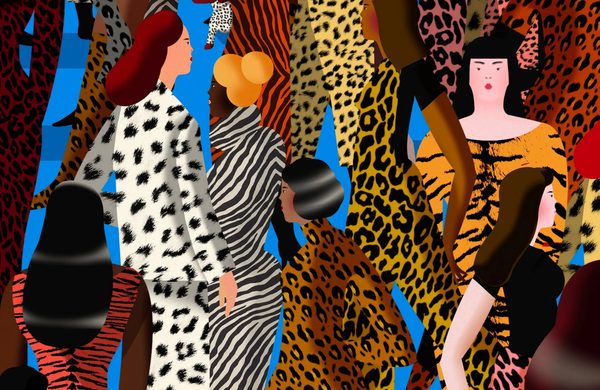
Ever since Jacqueline Kennedy was photographed in the 60s with a knee-length leopard coat, the leopard print has remained a timelessly popular fashion choice. While actual leopard coats made from real skins are far more rare today, a recent review of fashion website ShopStyle found that the retailer offered more than nineteen thousand leopard-print products for sale. According to some researchers, "the prevalence of leopard print in fashion might even have the effect of misrepresenting the prevalence of real leopards in their native habitat."
Some activists suggest this could be a golden opportunity to raise money to support leopards through the introduction of something they are calling a species royalty. Essentially, a percentage of the proceeds from the sale of any leopard-print items would go to support actual leopards. "A species royalty ... would enable all who appropriate the leopard's guise, thinkingly or not, to repay their own debt to nature."
While complicated to implement, it's an imaginative way to bring awareness to an endangered species that has provided the inspiration for so many items of clothing.
Rohit speaks on this topic. See his futurist keynote.
Related Posts
Book Rohit To Speak
Want to bring these ideas to your next event?
Rohit turns the thinking behind posts like this one into keynotes for audiences around the world, from Fortune 500 leadership teams to global industry conferences.
Learn More About Speaking
How It All Started
A Short Backstory Of This Blog
This is a blog about non-obvious ideas. Originally launched on the Typepad platform in 2005 as the Influential Marketing blog, the stories at first focused mainly on digital marketing while Rohit worked at Ogilvy Advertising. In 2015 Rohit officially rebranded to the Non-Obvious Insights Blog and published his WSJ bestseller Non-Obvious. For the past twenty one years, this blog has coined new terms, introduced future marketing practices and inspired the next generation of non-obvious thinkers and marketers.