







FEBRUARY 19, 2026|SOCIAL MEDIA
What If You Could Sue Someone for a Lack of Ethics?
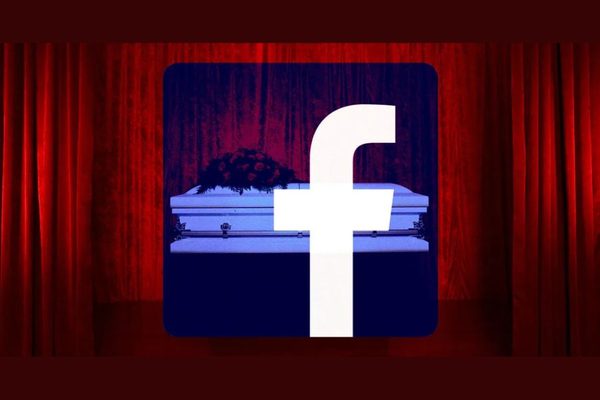
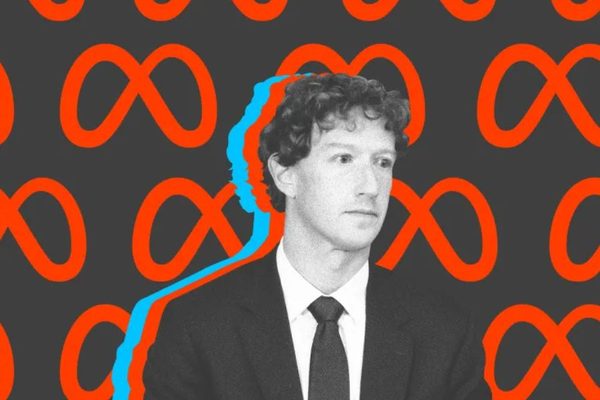
Mark Zuckerberg is now standing trial for Meta's role in making social media addictive and actively choosing to harm teenagers, or at the very least ignoring the plentiful advice and research that it saw illustrating the harm their platform was inflicting upon users. The depth of their moral resignation and unwillingness to offer even the most basic protections for their youngest users was shockingly detailed in the tell-all book Careless People that came out last year. While Meta and their legal team may have perfected the playbook on how to abandon their ethical duties and clearly they aren't slowing down judging by recent news about how they have patented AI to take over your account when you die so it can keep posting forever.
An even bigger story about lapsed morals, of course, would be all the revelations about how many powerful men (and some women) were named in the Epstein files. They are driving widespread resignations and reputation hits, but the legal action is generally limited only to what can specifically be proven about someone's actions if and when they broke the law. What if there were a punishment for compromising your morals and ignoring misdeeds that you knew about? In other words, a cost for doing nothing when you could have done something. What do you think - could this ever work?
Related Posts
Book Rohit To Speak
Want to bring these ideas to your next event?
Rohit turns the thinking behind posts like this one into keynotes for audiences around the world, from Fortune 500 leadership teams to global industry conferences.
Learn More About Speaking
How It All Started
A Short Backstory Of This Blog
This is a blog about non-obvious ideas. Originally launched on the Typepad platform in 2005 as the Influential Marketing blog, the stories at first focused mainly on digital marketing while Rohit worked at Ogilvy Advertising. In 2015 Rohit officially rebranded to the Non-Obvious Insights Blog and published his WSJ bestseller Non-Obvious. For the past twenty one years, this blog has coined new terms, introduced future marketing practices and inspired the next generation of non-obvious thinkers and marketers.