







FEBRUARY 20, 2025|SOCIAL MEDIA
What Meta's Latest Effort to Help Kids Spot Predators Really Tells Us
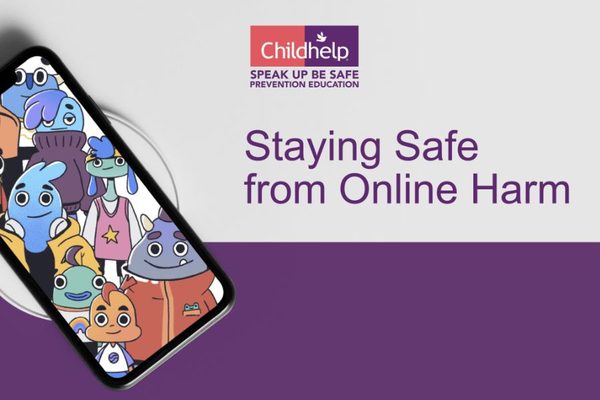
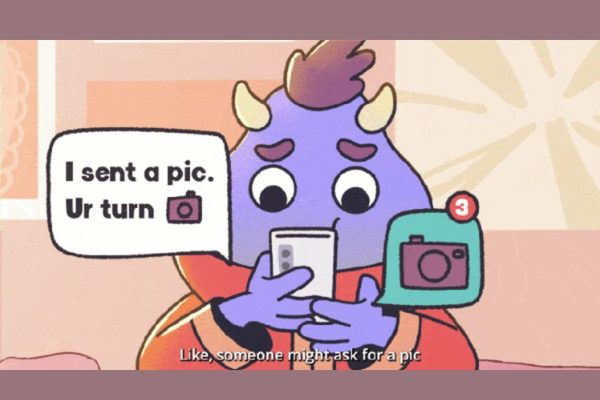
There is a question that journalists learn to consider often which we should all get better at asking: why now? Any time a story crosses their orbit and they consider writing about it, one of the most fundamental questions they will often start from is trying to understand the timing behind the story. This week Meta announced a "fully fanded" curriculum to teach middle schoolers how to recognize forms of online exploitation, such as sextortion scams and grooming.
This is not a new problem. So why now? One answer is because of the increasing pressure from governments around the world to keep kids off social media entirely. Australia banned it for kids under 16. The U.S. Senate has introduced the "Kids Off Social Media Act."
That's the bigger picture that's easy to miss. Kids are safer online because of online regulations and what that regulation incentivizes companies like Meta to do in response. As President Trump moves rapidly towards deregulation in nearly every sector, this is a story we need to hear more about. Regulation isn't just red tape and bureaucracy that needs to be fully eliminated. Sometimes it is the only way to create incentives for companies to behave more ethically and actually put people before profits.
Related Posts
Book Rohit To Speak
Want to bring these ideas to your next event?
Rohit turns the thinking behind posts like this one into keynotes for audiences around the world, from Fortune 500 leadership teams to global industry conferences.
Learn More About Speaking
How It All Started
A Short Backstory Of This Blog
This is a blog about non-obvious ideas. Originally launched on the Typepad platform in 2005 as the Influential Marketing blog, the stories at first focused mainly on digital marketing while Rohit worked at Ogilvy Advertising. In 2015 Rohit officially rebranded to the Non-Obvious Insights Blog and published his WSJ bestseller Non-Obvious. For the past twenty one years, this blog has coined new terms, introduced future marketing practices and inspired the next generation of non-obvious thinkers and marketers.