







SEPTEMBER 20, 2022|DIVERSITY
What the Popularity of Closed Captions Tells Us About the Value of Making Accomodations
When you take the time to create something that is accessible by those who need the most help, you often end up creating a better experience for everyone.
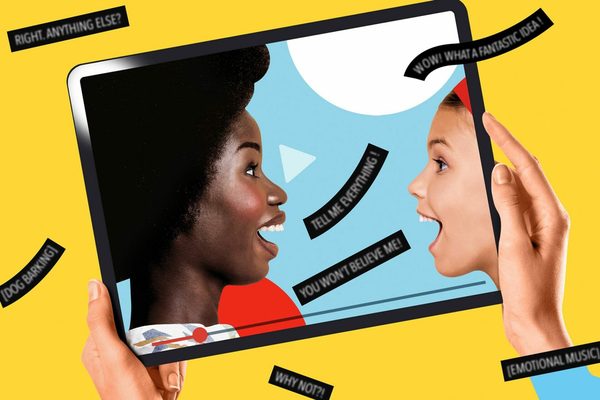
Twenty years ago when I was leading web production teams, we had to ensure our sites were compatible for people with slower browsers, screen readers and any other accommodations. At the time, I remember feeling like this was far too much effort for a relatively small population. Eventually I realized the problem with this mindset and began to understand how many people are left behind when technology is not accessible.
In the WSJ this week, there was a feature story about how closed captions (once seen solely as an accommodation for the hearing impaired) are hugely popular among multitasking young people who prefer to leave them on for all videos. The story is a great reminder for us all that making things more accessible doesn't only benefit those who have a disability. When you take the time to create something that is accessible by those who need the most help, you often end up creating a better experience for everyone.
Book Rohit To Speak
Want to bring these ideas to your next event?
Rohit turns the thinking behind posts like this one into keynotes for audiences around the world, from Fortune 500 leadership teams to global industry conferences.
Learn More About Speaking
How It All Started
A Short Backstory Of This Blog
This is a blog about non-obvious ideas. Originally launched on the Typepad platform in 2005 as the Influential Marketing blog, the stories at first focused mainly on digital marketing while Rohit worked at Ogilvy Advertising. In 2015 Rohit officially rebranded to the Non-Obvious Insights Blog and published his WSJ bestseller Non-Obvious. For the past twenty one years, this blog has coined new terms, introduced future marketing practices and inspired the next generation of non-obvious thinkers and marketers.