








AUGUST 23, 2026
What To Do When A Teacher’s AI Usage Goes Bad
As we head into the back-to-school season, one of the big stories you’ll see plenty of coverage about is how many school systems are reacting to the rise of AI and growing awareness of the adverse mental health effects of social media by either banning phones in schools, banning AI, or both. Getting less attention, though, is the huge role AI is likely to take in teachers’ lives as well.
From immediately being able to generate lesson plans to creating visuals more simply, the temptation to turn to AI for all sorts of teaching materials is going to be impossible to resist. Along the way, there will of course be embarrassing missteps. Teachers, like their students, will be figuring out the right and wrong ways to use AI in their classrooms and in their preparation for lessons too.
As they do, it’s going to now be up to parents to help fill the gap and make sure that the materials kids are bringing home are not literally AI slop that was mistakenly generated by a well-intentioned teacher just trying to create materials more easily. The only thing I might suggest here (and will try to do myself) is to offer some understanding if and when it does happen. Not every moment of accidental slop was ill intentioned or complete laziness. Perhaps more often, it’s an overworked and under-resourced teacher just trying their best to help kids learn. If anyone deserves a little empathy, it’s surely teachers who are sometimes quite literally community heroes.
Book Rohit To Speak
Want to bring these ideas to your next event?
Rohit turns the thinking behind posts like this one into keynotes for audiences around the world, from Fortune 500 leadership teams to global industry conferences.
Learn More About Speaking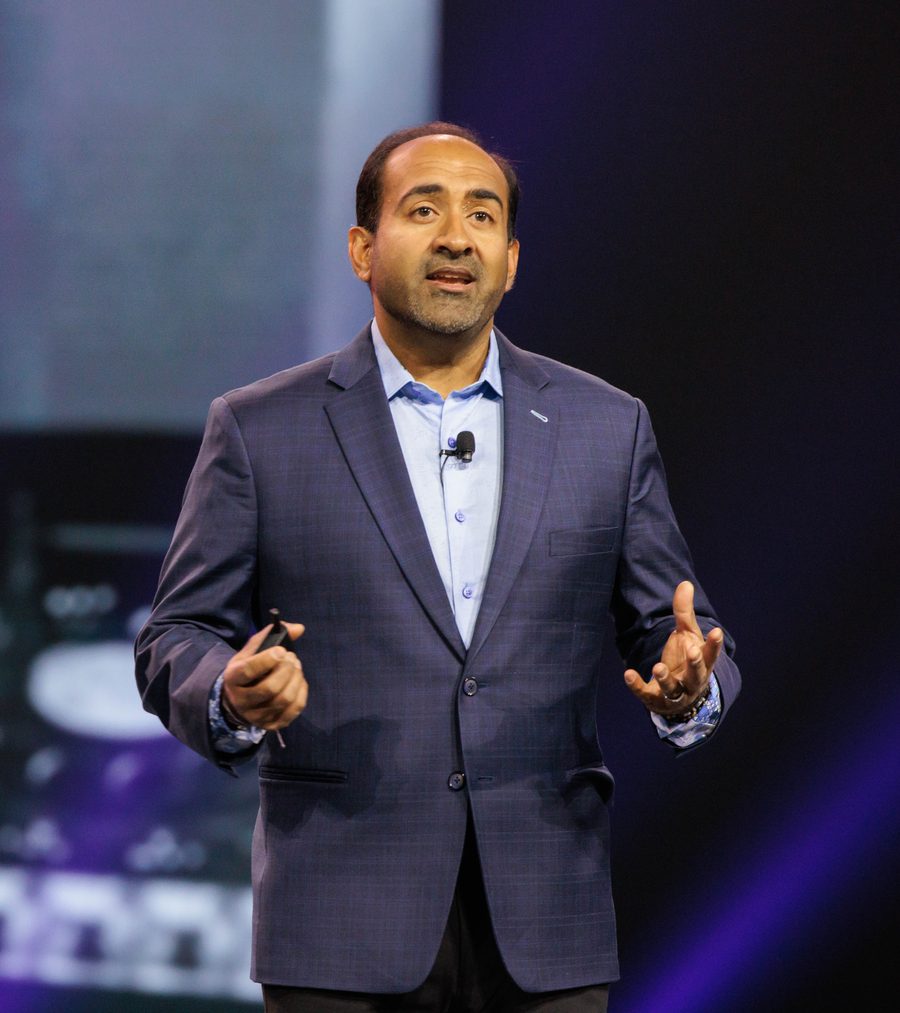
How It All Started
A Short Backstory Of This Blog
This is a blog about non-obvious ideas. Originally launched on the Typepad platform in 2005 as the Influential Marketing blog, the stories at first focused mainly on digital marketing while Rohit worked at Ogilvy Advertising. In 2015 Rohit officially rebranded to the Non-Obvious Insights Blog and published his WSJ bestseller Non-Obvious. For the past twenty one years, this blog has coined new terms, introduced future marketing practices and inspired the next generation of non-obvious thinkers and marketers.