








APRIL 1, 2024|ARTIFICIAL INTELLIGENCE
What's Wrong with God Chatbots? Inside the AI Future of Religion

Nearly every faith now has several chatbots trained on religious texts and designed by technologists with the ambitious belief that these could make religion more approachable and accessible for a new generation.
An article from this month's Scientific American magazine notes that in addition to allowing anyone to seek spiritual guidance from bots that promise to offer “faithful translations of the scriptures,” academics are also using these tools to compare "linguistic variations" among translations of various ancient texts and even conduct complex "sentiment analysis" on the language used. Spiritual or academic uses aside, unsurprisingly there are many critics of this technology as well.
A major concern is the potential for manipulation. As one scholar and ethicist noted, "There’s going to be a temptation to make money, to make notoriety and to gain attention by ascribing some type of revelatory quality to these chatbots." It's an understandable worry. We have seen this before in the form of televangelists or other self-promoters who prey on people's faith to fund their own egos and private jets. It's reasonable to assume a similar greed could corrupt this new marriage of technology and faith.

What if a religious chatbot, trained on passages from religious texts, starts to condone murder? Or encourages violence? The "solution" that most experts are advocating for now is to treat advice from these tools with a sense of caution. Good advice but potentially difficult to follow.
Rohit speaks on this topic. See his AI keynote.
Related Posts
Book Rohit To Speak
Want to bring these ideas to your next event?
Rohit turns the thinking behind posts like this one into keynotes for audiences around the world, from Fortune 500 leadership teams to global industry conferences.
Learn More About Speaking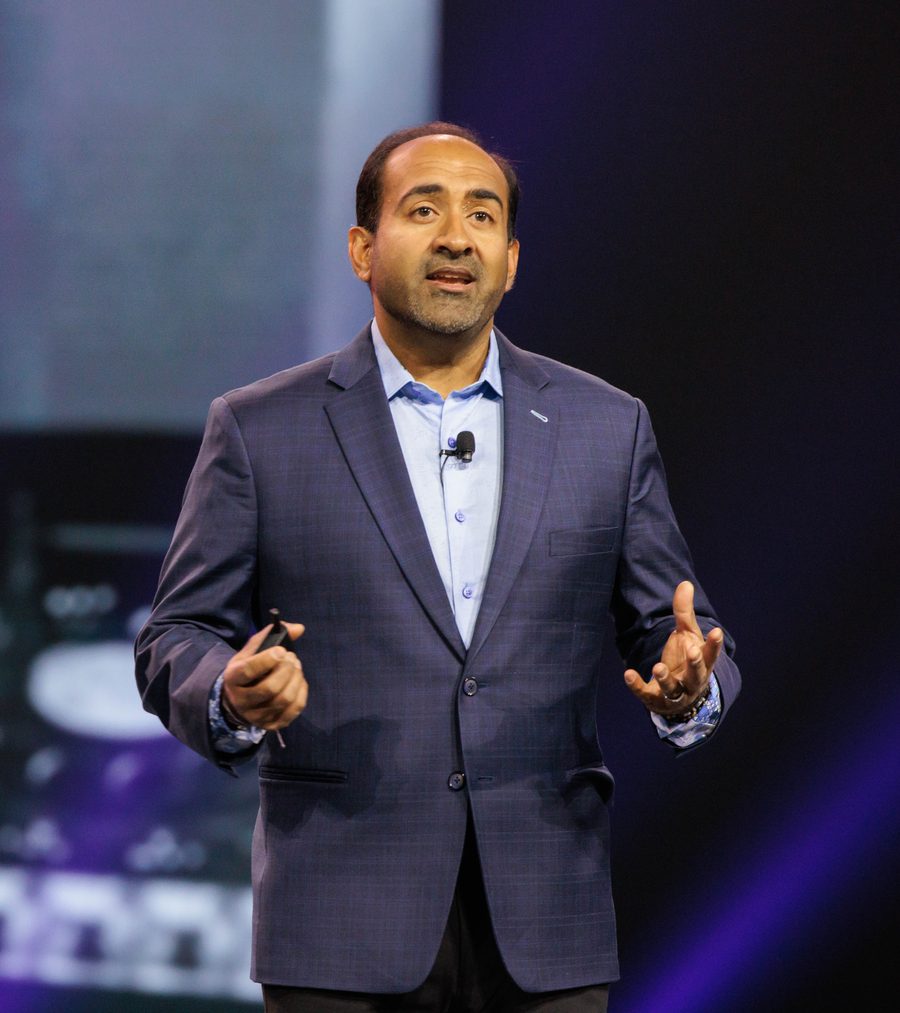
How It All Started
A Short Backstory Of This Blog
This is a blog about non-obvious ideas. Originally launched on the Typepad platform in 2005 as the Influential Marketing blog, the stories at first focused mainly on digital marketing while Rohit worked at Ogilvy Advertising. In 2015 Rohit officially rebranded to the Non-Obvious Insights Blog and published his WSJ bestseller Non-Obvious. For the past twenty one years, this blog has coined new terms, introduced future marketing practices and inspired the next generation of non-obvious thinkers and marketers.