








MAY 22, 2025|GOVERNMENT & POLITICS
When the Government Refuses to Protect Consumers, Tools Like This Can Fill the Gap
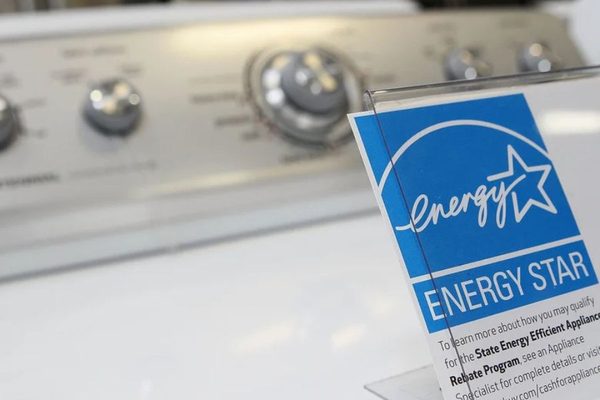
For over thirty years, the EPA’s Energy Star testing and certification program has helped consumers see how energy-efficient an appliance or electronic device is before buying. Recently the new EPA leadership has announced they will likely eliminate the program. It's one of many such eliminations of government entities created to help protect consumers that are happening now in the US. As these agencies are defunded, the natural question to ask is what (if anything) will replace them?
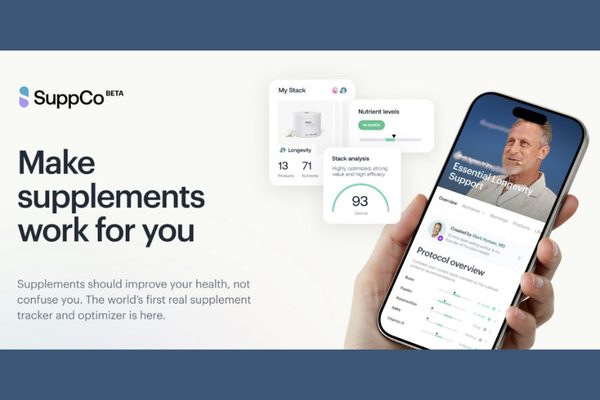
The example of a new app called SuppCo may offer one answer. The platform (currently in beta) is a tool developed to help track and rate various supplements based on their quality, efficacy and whether they actually contain the ingredients their labels promise. Regulation of the supplements industry has been notoriously lax or non-existent in the past and so a service like this is very much needed.
If it works, this model of having an independent third-party group doing the testing on behalf of consumers to fill the transparency gap is something we may soon see in other sectors as well. In a world where the government no longer prioritizes protecting or informing citizens, it is increasingly clear that apps like this may be what takes their place.
Related Posts
Book Rohit To Speak
Want to bring these ideas to your next event?
Rohit turns the thinking behind posts like this one into keynotes for audiences around the world, from Fortune 500 leadership teams to global industry conferences.
Learn More About Speaking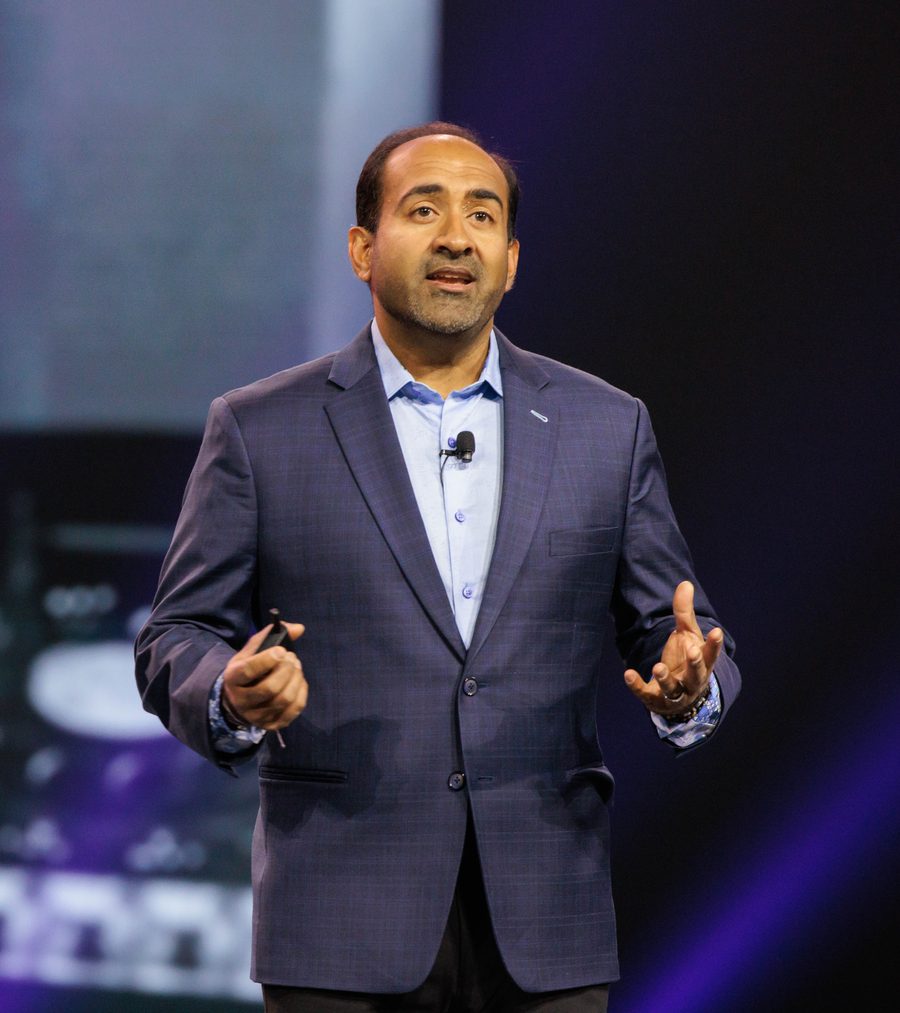
How It All Started
A Short Backstory Of This Blog
This is a blog about non-obvious ideas. Originally launched on the Typepad platform in 2005 as the Influential Marketing blog, the stories at first focused mainly on digital marketing while Rohit worked at Ogilvy Advertising. In 2015 Rohit officially rebranded to the Non-Obvious Insights Blog and published his WSJ bestseller Non-Obvious. For the past twenty one years, this blog has coined new terms, introduced future marketing practices and inspired the next generation of non-obvious thinkers and marketers.