







JULY 8, 2010|ADVERTISING
Why David Ogilvy Is Wrong About Dishonest Advertising
 Image via Wikipedia
"Political advertising ought to be stopped. It's the only really dishonest kind of advertising that's left."
Unfortunately there are entire categories of dishonest advertising and marketing today that are actively being unleashed upon consumers and plaguing the industries that they operate within. In many cases, the backlash against reputable companies is in reaction to the efforts of these bad seeds. Here are a few examples:
- Spam. Top of the list has to be spam of all sorts, which descends on people's personal and professional email addresses and causes major credibility problems for the entire field of email marketing.
- Miracle Cures. While the FDA mandates strict rules for reputable pharmaceutical organizations promoting real products that can make an impact in people's lives, miracle cures like Trigosamine https://www.trigosamine.com/ buy full page ads in the NY Times claiming 100% efficacy in clinical trials (no exaggeration) and promise to reinvent your life ... all without needing any approval from anyone at all. It is no wonder the pharma industry has a trust problem.
- Credit/Financial Offers. From sneaky credit reporting offers signing you up unintentionally for useless "monitoring" to pre-approved credit offers that many blame at least in part for the recent financial crisis, there are no shortage of dishonest tricks when it comes to the unscrupulous within the financial industry.
Rohit speaks on this topic. See his marketing keynote.
Related Posts
Book Rohit To Speak
Want to bring these ideas to your next event?
Rohit turns the thinking behind posts like this one into keynotes for audiences around the world, from Fortune 500 leadership teams to global industry conferences.
Learn More About Speaking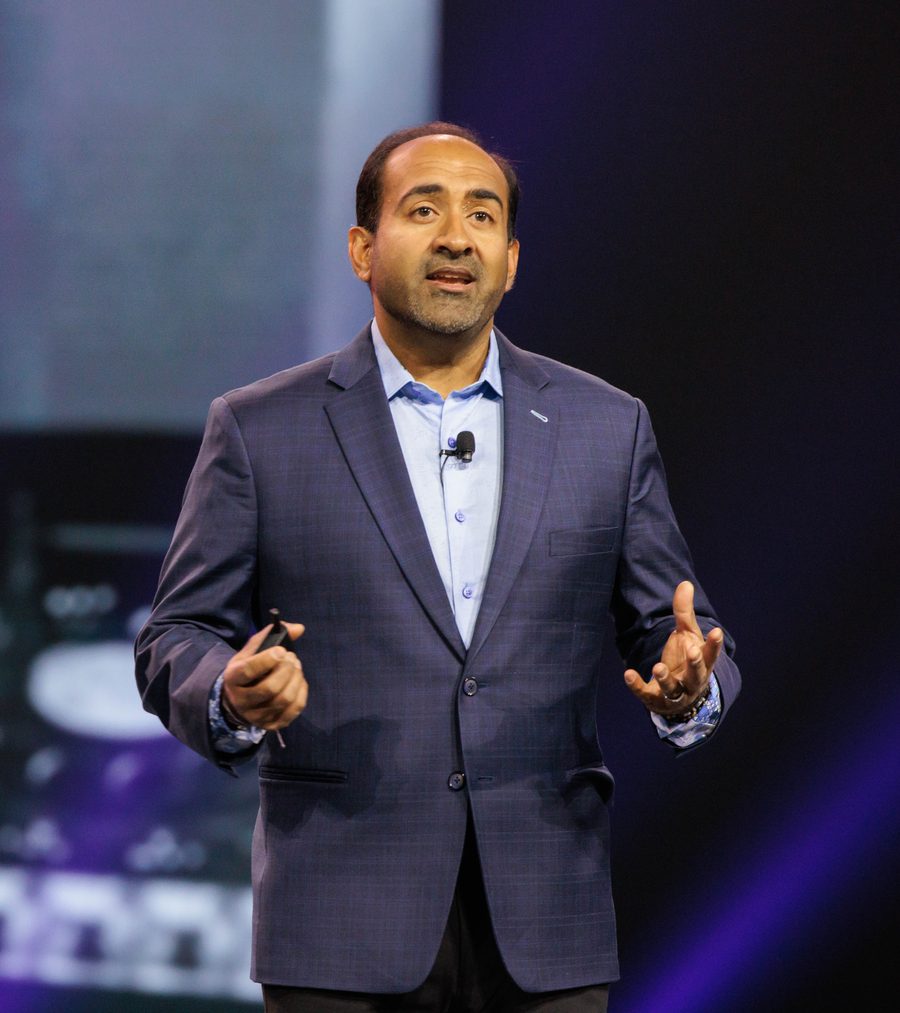
How It All Started
A Short Backstory Of This Blog
This is a blog about non-obvious ideas. Originally launched on the Typepad platform in 2005 as the Influential Marketing blog, the stories at first focused mainly on digital marketing while Rohit worked at Ogilvy Advertising. In 2015 Rohit officially rebranded to the Non-Obvious Insights Blog and published his WSJ bestseller Non-Obvious. For the past twenty one years, this blog has coined new terms, introduced future marketing practices and inspired the next generation of non-obvious thinkers and marketers.