







FEBRUARY 27, 2025|ENTERTAINMENT & HOLLYWOOD
Why Directors Are Only Casting Actors with Lots of Instagram Followers
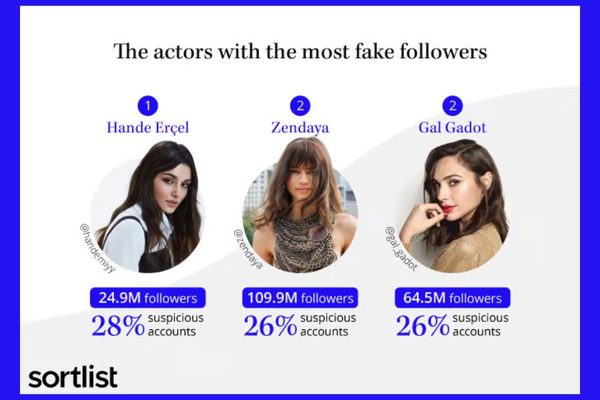
A big presence on social media may have seemed like a nice-to-have for creators but in the case of Hollywood films, there’s growing evidence that it may already be a necessity. In a recent interview with Variety, actor Ethan Hawke shared some observations about the growing role a social media platform is taking in casting decisions for projects and even if those projects get the green light from studios and funders in the first place:
“Sometimes I’ll be setting a movie up and someone will say, ‘Oh, you should cast Suzie.’ I’m like, ‘Who is she?’ ‘She has 10 million followers.’ I’m like, ‘OK cool, has she acted before?’ ‘No, but…’ And you’re like, ‘Wow, so this is going to help me get the movie made? This is crazy.'”
There are directors who are being told by producers that they need to only cast actors who have a certain number of followers in projects. The most disconcerting part is that in some situations a follower count may be more important than talent. In a world where engagement, real connection, training and even the truth take a back seat to that one number in your profile … having a high follower count can directly affect someone’s livelihood. Reading this, I wonder if there are other industries beyond entertainment that will experience this same effect. What do you think?
Related Posts
Book Rohit To Speak
Want to bring these ideas to your next event?
Rohit turns the thinking behind posts like this one into keynotes for audiences around the world, from Fortune 500 leadership teams to global industry conferences.
Learn More About Speaking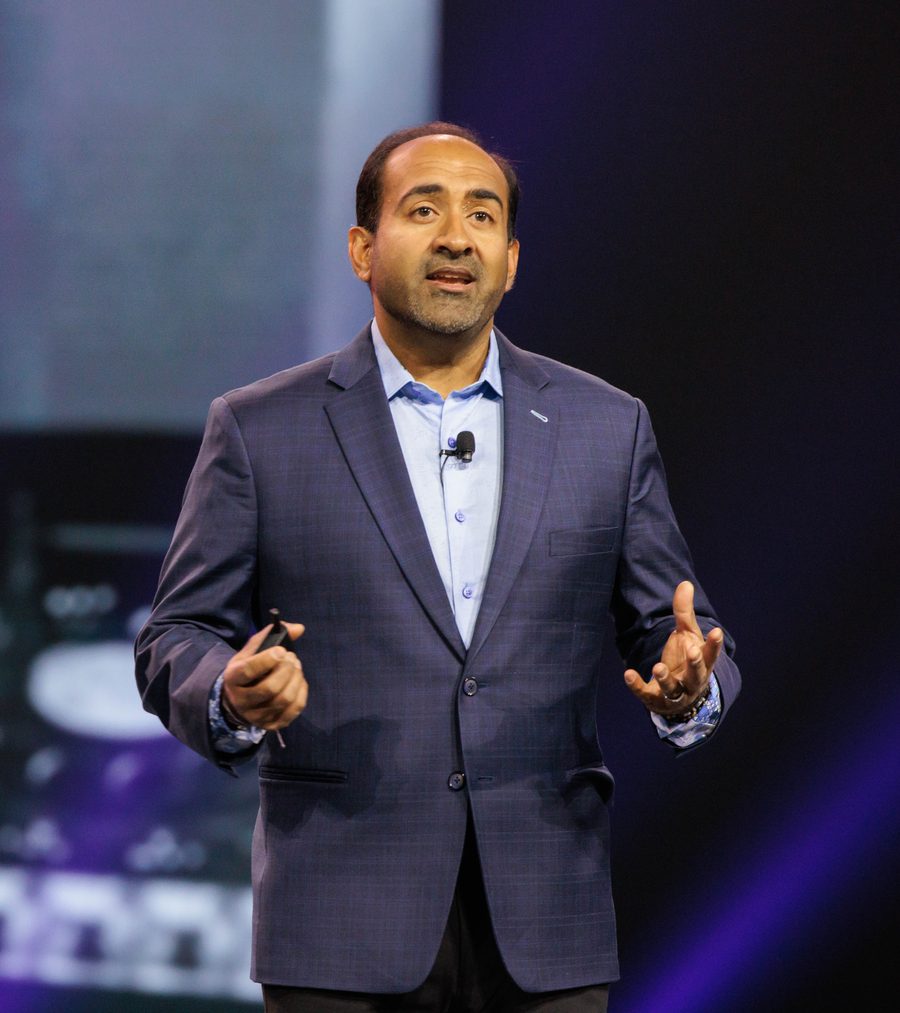
How It All Started
A Short Backstory Of This Blog
This is a blog about non-obvious ideas. Originally launched on the Typepad platform in 2005 as the Influential Marketing blog, the stories at first focused mainly on digital marketing while Rohit worked at Ogilvy Advertising. In 2015 Rohit officially rebranded to the Non-Obvious Insights Blog and published his WSJ bestseller Non-Obvious. For the past twenty one years, this blog has coined new terms, introduced future marketing practices and inspired the next generation of non-obvious thinkers and marketers.