







NOVEMBER 12, 2010|SPEAKING & PRESENTING
Why I Get Invited To Speak At Events (And How You Can Too)
- Build your personal brand. Conference organizers want to know that you have built up a reputation for yourself before they invite you onto a speaking roster. Having a strong personal brand gives them that level of comfort that you will be a good choice to contribute to their event.
- Work your network. I guarantee there are a few people in your social network (in real life or online) who are actively either helping with or putting on their own events. Start to pay attention to the people in your network as they share who they work for or what they are working on. Often, getting on the speaking list is largely based on who you know and who knows you.
- Always be pitching. The sooner you come to the realization that you are not Bill Clinton or Guy Kawasaki, the better. Finding speaking opportunities means pitching yourself for them constantly, and understanding that conferences have longer lead times , and getting on the speaking roster early while a conference organizer is facing a blank spreadsheet and feeling the pressure to fill it up is definitely the easiest time to get slotted in.
- Learn to moderate properly. The number of speakers who can moderate well and conduct a session is much smaller than you think. Everyone wants to share their expertise through a session, but if you can learn to be a great moderator that asks questions the audience wants to hear and puts your own ego aside, you can completely control the direction of sessions and make a memorable impact because you managed to focus on the audience and not yourself.
- Choose the right events. The events you choose can have a big impact in whether you can get approved to speak or not. If you can find events where you are not going to be the same as everyone else there and may have a different point of view, those are the best events to focus on. Finding local events can also be a great technique, because the conference organizers won't have to worry about paying you to get there.
- Create a style, not a schtick. A style is the format and type of presentation that you do. I tend to use a lot of visuals and use numbered lists to people can track with me and take notes easily. That is my presentation style. It DOES NOT mean doing the same presentation over and over again - that is boring and pretty soon you will find that your materials is either dated or already heard so it makes you less relevant.
- Be original. If you cannot share original thinking, don't bother trying to present. Nothing will negatively impact your reputation more than speaking and sharing completely obvious information that everyone has heard before.
- Value your own time. Saying yes to every speaking opportunity you get may make sense initially, but rapidly you will find that this is not sustainable and sometimes you do need to learn to say no.
- Participate generously. When you are at an event, people will remember the time you spent with them. As a speaker, they want to hear from you and learn from you, so no matter which event you end up at, make sure you leave enough time to spend networking with the people there.
- Get to know the other speakers. Finally, there are great things you can learn from fellow speakers, and this may even lead to the introductions to other events, so try and meet as many fellow speakers as you can.
Rohit speaks on this topic. See his marketing keynote.
Related Posts
Book Rohit To Speak
Want to bring these ideas to your next event?
Rohit turns the thinking behind posts like this one into keynotes for audiences around the world, from Fortune 500 leadership teams to global industry conferences.
Learn More About Speaking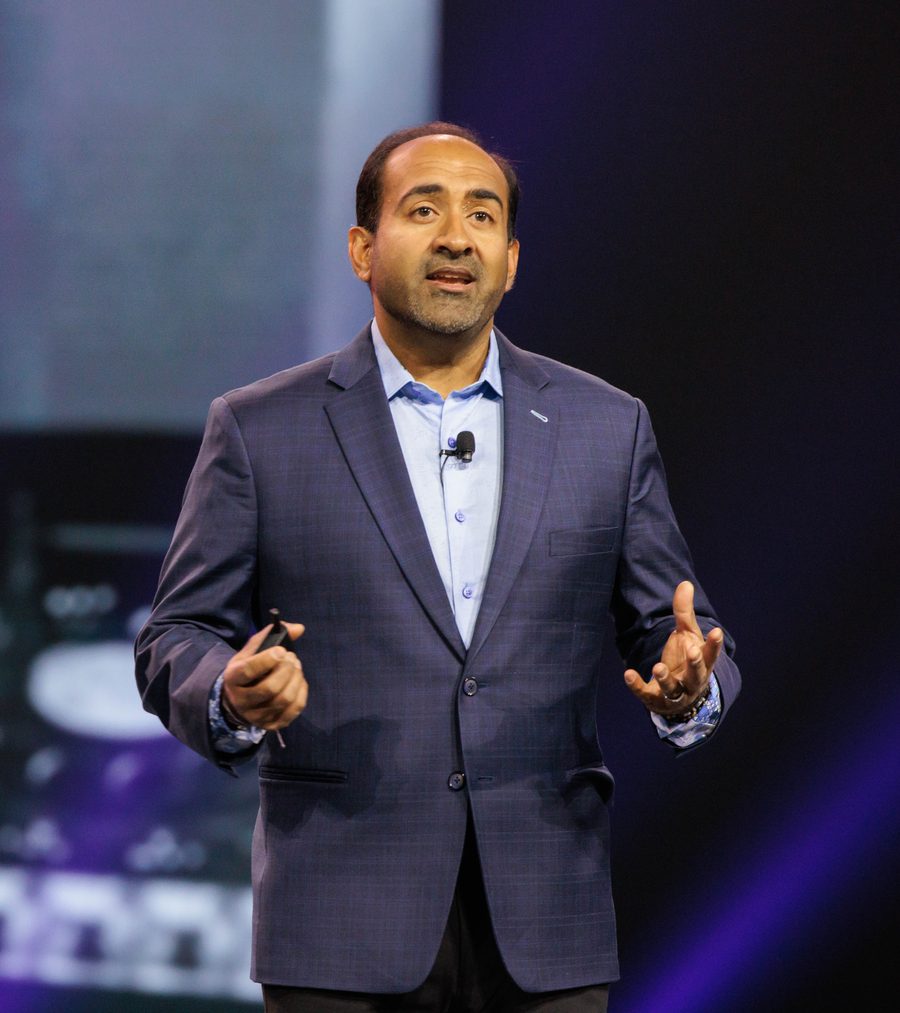
How It All Started
A Short Backstory Of This Blog
This is a blog about non-obvious ideas. Originally launched on the Typepad platform in 2005 as the Influential Marketing blog, the stories at first focused mainly on digital marketing while Rohit worked at Ogilvy Advertising. In 2015 Rohit officially rebranded to the Non-Obvious Insights Blog and published his WSJ bestseller Non-Obvious. For the past twenty one years, this blog has coined new terms, introduced future marketing practices and inspired the next generation of non-obvious thinkers and marketers.