








SEPTEMBER 1, 2022|TECHNOLOGY & SOFTWARE
Why Microsoft's Clippy Is Now a Pop Culture Icon
Clippy's newfound popularity seems to reflect a hunger for the good old times when assistants might be annoying, but were also easily switched off and lived without. Unlike the ubiquitous voice assistants of today.
"Clippy’s interruptions confirmed our early suspicions about the people who made and managed computers—socially awkward dudes who thought they knew better than us."
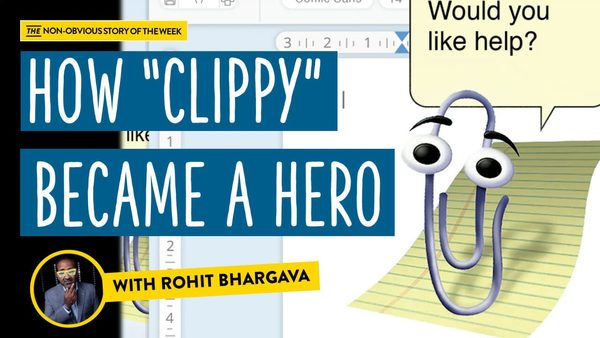
The animated assistant from Microsoft's early software was universally ridiculed in the 90s, but is making a comeback—much to the surprise of the animator who originally designed it. Kevan Atteberry was the designer who is remembered/celebrated as the creator of Clippy, a well-intended help animation that quickly became annoying as users learned to use Microsoft Word much faster than anticipated. Clippy was eventually retired to a celebrated death.
As this SeattleMet feature on the history of Clippy explains, "what Clippy was missing—the interpersonal skills to adapt—is also what makes him funny today. It reminds us of a time when assistants couldn’t target us with ads or mimic a dead loved one’s voice." In other words, Clippy's newfound popularity seems to reflect a hunger for the good old times when assistants might be annoying, but were also easily switched off and lived without. Unlike the ubiquitous voice assistants of today.
Book Rohit To Speak
Want to bring these ideas to your next event?
Rohit turns the thinking behind posts like this one into keynotes for audiences around the world, from Fortune 500 leadership teams to global industry conferences.
Learn More About Speaking
How It All Started
A Short Backstory Of This Blog
This is a blog about non-obvious ideas. Originally launched on the Typepad platform in 2005 as the Influential Marketing blog, the stories at first focused mainly on digital marketing while Rohit worked at Ogilvy Advertising. In 2015 Rohit officially rebranded to the Non-Obvious Insights Blog and published his WSJ bestseller Non-Obvious. For the past twenty one years, this blog has coined new terms, introduced future marketing practices and inspired the next generation of non-obvious thinkers and marketers.