








JULY 30, 2010|PERSONAL BRANDING
Why Personal Branding Is So Misunderstood
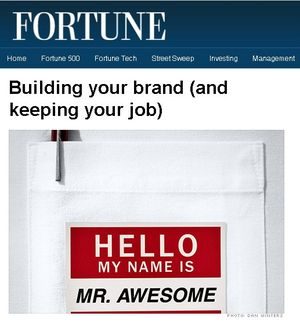 Personal branding has a branding problem. If most people in business today were asked to describe someone who had a personal brand, the first image that often comes to mind is of the often-ridiculed "social media guru" persona - someone who talks endlessly about social media and is well known online for it, but has little real experience at anything beyond talking about themselves. Others might think of someone with a big personality who has used social media expertly to amplify their success. Earlier today a journalist for CNN/Fortune ignited this debate about the value (or lack of value) in a personal brand through an article that featured Scott Monty from Ford*.
In the piece, Scott was portrayed as someone whose "personal brand doesn't take a back seat to anyone else's -- not even that of Ford Motor Co., his employer." Many commenters have already jumped on the article throughout the day to defend Scott as a great guy and not the "sanctimonious self-serving asshat" as one commenter felt he was portrayed as in the article. This is not the first time that a debate about personal branding has erupted pitting the believers against the skeptics, and it likely won't be the last.
Is personal branding becoming a catchphrase to describe those who are using social media as a drip pan for their overflowing egos or is it just misunderstood? As someone who has spent considerable time building a personal brand while working at a large company, this is a question I have struggled with before and I believe it comes through to six main assumptions (some truth and some fiction):
The FICTION About Personal Branding
- Personal branding is about ego instead of reputation. Ego is a dirty word, which carries with it the notion of a misbehaved, arrogant, generally pompous individual. The truth is, we all have egos - but a good personal brand is all about reputation. When you have one, people know something about you before you walk in the door. Hardly anyone would argue that your reputation is important, but somehow the label of "personal brand" became disconnected from that.
- Personal brands are only grown at the expense of corporate brands. A main point from the Forbes piece seemed to be that if Scott Monty was growing his personal brand, then he was not doing everything he could be doing for Ford. Yet when we look at successful sales people or executives who post record sales or perform well and move on to bigger and higher paying jobs ... generally they are not lambasted for building their own reputation while successfully contributing to the company they work for. Personal brands are the same.
- Only certain types of individuals have personal brands. When it comes to discussions of personal branding, there are certain types of individuals that you might point to as having strong personal brands - when the truth is that we all have personal brands. In an age where our virtual identity extends beyond just who we are in person and also encapsulates our profile on LinkedIn or the networks we join on Facebook - each of us has a digital reputation and that equates to a personal brand. Already, this personal brand impacts how people are searching for jobs and is likely to extend further to more parts of business as well.
- Many personal brands START egotistical. As I have shared in blog posts before, it is much easier to be egotistical than to be open online. In fact, the place where most people start when using social media tools is on the more egotistical side, just talking about themselves. It is not a sign of raging arrogance, but of initial naivety. When you are not used to "engaging" online, it is easier to just talk about yourself. Eventually, the good personal brands get past this and become something more robust.
- High profile tension between personal brands and companies will continue. There have already been several stories of individuals who built a personal brand and had difficulty remaining in their corporate positions and this will continue. To attribute this only to a phenomena that happens for personal branding, however, would be a mistake. There are situations every day where people outgrow roles at companies and move on, for many reasons. Growing a personal brand will continue to be one of these reasons, but should not be singled out.
- Personal branding matters because PEOPLE matter. I have been vocal for several years now about the premise that people make decisions to buy from a company or talk about it based on the personal relationship they have with individuals who work there as much as the association they have with the product. If you have ever recommended a product that you didn't buy to someone who needed it, you know this well. Companies with personality succeed because they create a deep emotional connection with customers, and personality comes from individuals. If the faceless company is dying, as I believe it is in every industry, then more and more companies will need to hire people with strong personal brands and this tension between the individual and the company will be even more present in business.
The solution, in my opinion, is not to single out and vilify the people who are visibly working to balance personal brands with their employers', but instead to treat them as examples of a future in the business world that is rapidly approaching for us all.
*Disclaimer - Ford is a client of Ogilvy (my employer) and Scott is a personal friend of mine. This post was in no way solicited by either and represents only my honest opinion about personal branding.
Rohit speaks on this topic. See his marketing keynote.
Book Rohit To Speak
Want to bring these ideas to your next event?
Rohit turns the thinking behind posts like this one into keynotes for audiences around the world, from Fortune 500 leadership teams to global industry conferences.
Learn More About Speaking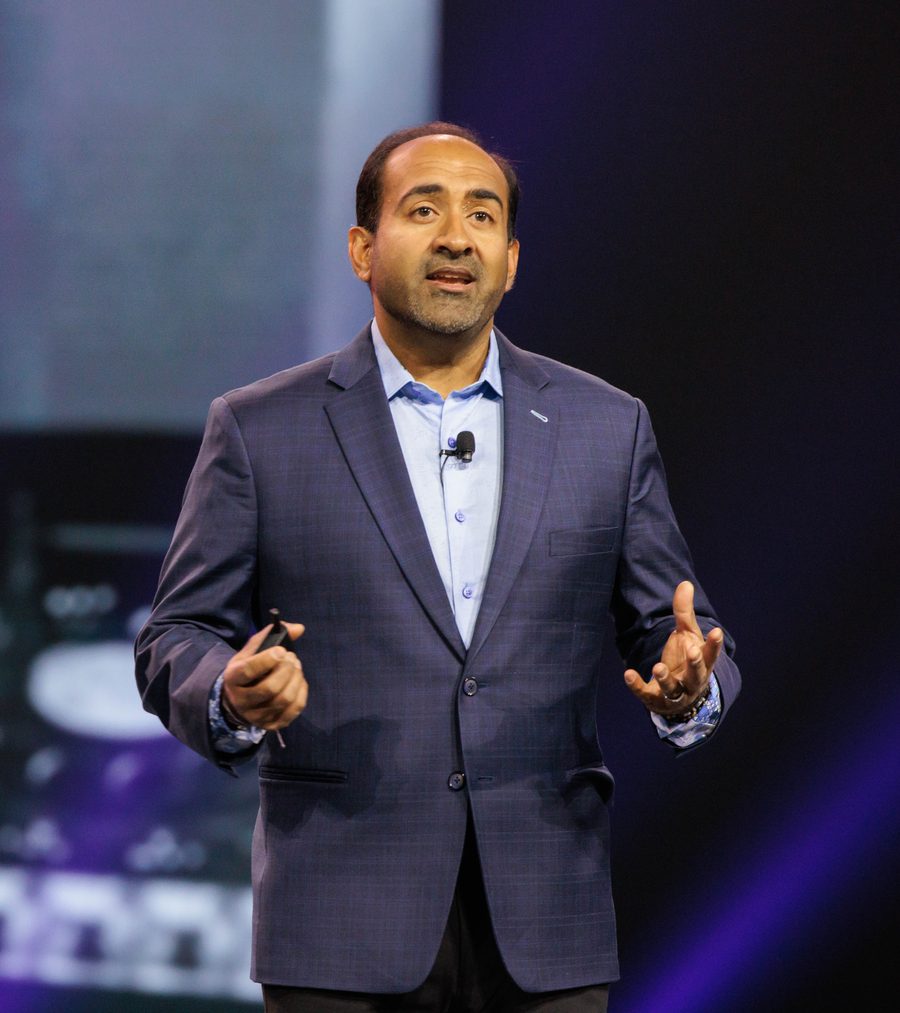
How It All Started
A Short Backstory Of This Blog
This is a blog about non-obvious ideas. Originally launched on the Typepad platform in 2005 as the Influential Marketing blog, the stories at first focused mainly on digital marketing while Rohit worked at Ogilvy Advertising. In 2015 Rohit officially rebranded to the Non-Obvious Insights Blog and published his WSJ bestseller Non-Obvious. For the past twenty one years, this blog has coined new terms, introduced future marketing practices and inspired the next generation of non-obvious thinkers and marketers.