







NOVEMBER 26, 2007|MEDIA PLANNING & BUYING
Why the Future of Online Advertising is About Identity
[ Cross-posting from Internet Evolution ] Facebook's recent push for "social advertising" is one of the biggest topics of discussion in the advertising industry this year. It's interesting that such a potentially disruptive idea is coming from somebody other than Google (Nasdaq: GOOG). The move essentially creates a model for "microadvertising" within Facebook where you can purchase ads by CPM or by Clicks. It has seen mixed reviews from Facebook users, as well as advertisers, but I believe it is a strong step toward the future of online advertising, and here's why... As we all maintain our digital identities across multiple sites, there is a living portrait online of what we like and dislike, who our friends are, what we're thinking at any particular time, and where we are likely to travel. Identity is the new demographic and offers a deeper level of understanding of individual desires than ever before. Most smart Internet marketers know that demographics are dead. It used to be the measure by which every advertiser (online or offline) would purchase space just about anywhere. Age, gender, and location were the "holy trinity," and as long as those were on track, you could buy space confidently. The only problem with mapping demographics is that it doesn't guarantee relevance. Just because I am a thirty-year-old male living in New York doesn't mean I'm in the market for an iPhone. Demographics are a very small part of the picture. Google brought this fact out very visibly through AdWords, when it gave interactive marketers the opportunity to target by topic and keyword rather than demographic. On Google, it didn't matter if a 15-year-old kid was looking for rollerblades, or his 72-year-old grandmother was looking to buy them for him. They would both get the same ad for the same search. Keyword targeting is much better, but still incomplete. Why? It's because you are still limited to showing the same ad creative for a particular keyword, regardless of the identity of the searcher. It is not social. Facebook's offering, on the other hand, merges demographic information with topical information from consumers' pages to serve their ads. It is still within a closed social network, so it is not ideal, but it is easy to start to see the power of this idea. Your identity online is about more than your demographic. The future of online advertising will be about enabling an extreme targeting that incorporates identity, topics, and stated interests from consumers to serve ads. Brands will no longer buy millions of impressions; they will buy 100 messages targeted to exactly the right people. Customers, in turn, will stop seeing these ads as a nuisance and appreciate the value they offer because they are tailored correctly and are relevant. Of course, this vision of online advertising and social networks happily co-existing will take time. The good news is, there are signs all around us that we are well on our way.
Related Posts
Book Rohit To Speak
Want to bring these ideas to your next event?
Rohit turns the thinking behind posts like this one into keynotes for audiences around the world, from Fortune 500 leadership teams to global industry conferences.
Learn More About Speaking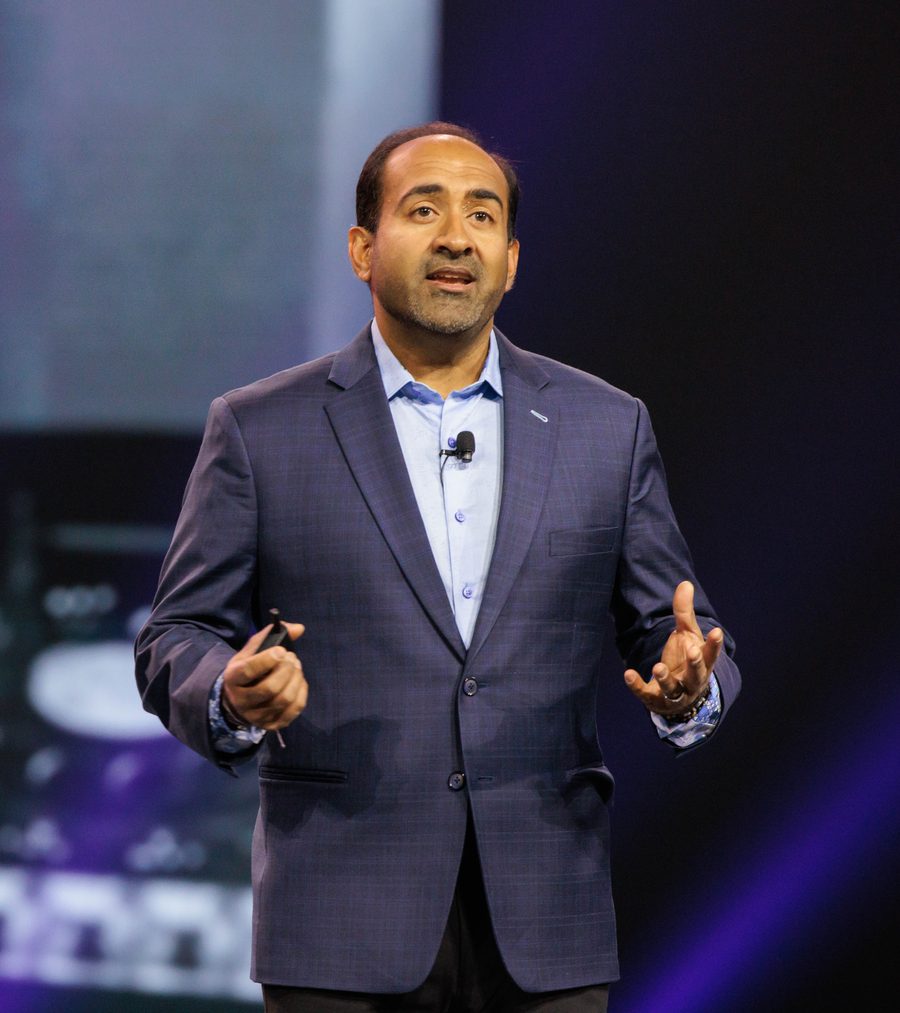
How It All Started
A Short Backstory Of This Blog
This is a blog about non-obvious ideas. Originally launched on the Typepad platform in 2005 as the Influential Marketing blog, the stories at first focused mainly on digital marketing while Rohit worked at Ogilvy Advertising. In 2015 Rohit officially rebranded to the Non-Obvious Insights Blog and published his WSJ bestseller Non-Obvious. For the past twenty one years, this blog has coined new terms, introduced future marketing practices and inspired the next generation of non-obvious thinkers and marketers.