







SEPTEMBER 10, 2012|TECHNOLOGY & SOFTWARE
Why Usability & Usefulness Are Cool Again
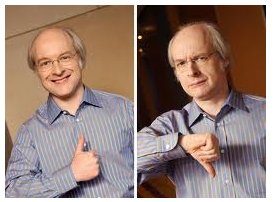 Not a lot of people know this, but 2002 I did my Masters Thesis on the topic of web usability. It was the "appfication trend" of its day ... a topic that every business was talking about and spending more and more money to get right. Jakob Nielsen was a household name in web development teams - and "Information Architect" and "Usability Expert" were considered careers for the future. Then one day usability started to fade into the background. It became more of an afterthought. When is the last time you saw any job with "usability" in the title on any sort of list of jobs for the future?
The irony is that usability never became less important - it was just that marketing people moved on to promoting sexier things ... like social media and focused on buzzwords like "engagement" and creating "conversations." The after effect of this focus is still evident all around us:
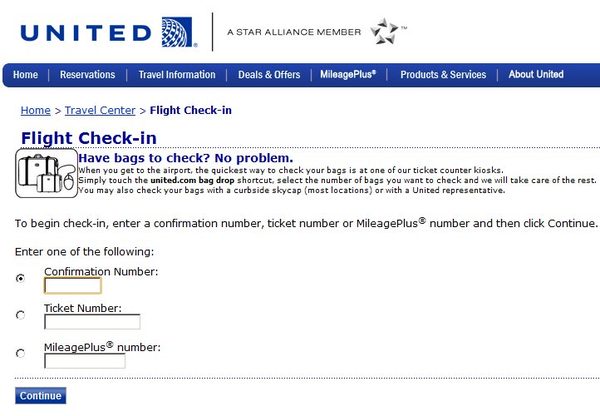
United Airlines has a website that is a towering monument to what happens when no one listens to the usability experts. Tasks are impossible to complete without too many clicks, the interface is completely non-intuitive, and your logged in profile is inconveniently forgotten before any transaction.
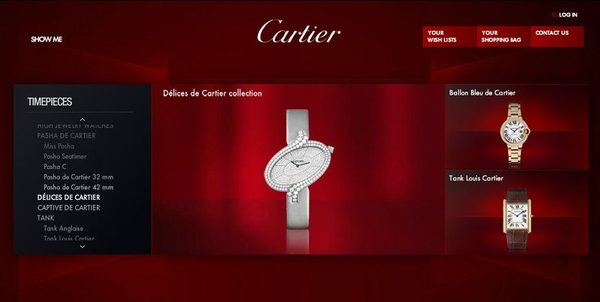
Design and fashion brands like Marc Ecko and Cartier continue to use Flash centric sites to showcase product images and high resolution photography.
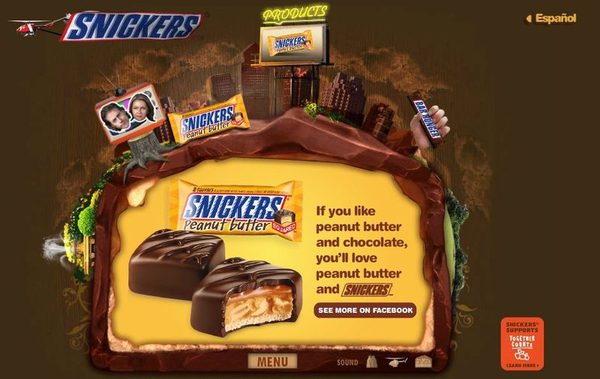
Packaged goods brands like Snickers create "experiential" sites that link to videos and try every trick in the book to capture attention.
Thankfully, there are signs of hope that the business world may be rediscovering the appeal of being useful and usable. The trend of responsive design in web development promotes the view that interfaces must be designed in a flexible layout so they work when accessed by many devices with multiple screen sizes. Apps often take the transactional part of web experiences and make them easier to complete. And open access to tools like Facebook and Twitter make it possible to streamline the signup process for new sites, and integrate multiple services all together. In addition, brands are finally understanding that providing a highly useful experience can be the ultimate way to generate positive word of mouth. There is no greater consumer benefit than saving someone time.
This past weekend, there were two automotive campaigns - one from Ford and one from Nissan that each focused on their aim to be more useful for their customers (see videos below). Ford promoted the "LiftGate" system that allows you to open the trunk of the new Ford Escape with your foot - for when you have your hands full. And Nissan promoted the new Altima, which has a built in tire pressure feature that tells you when the tire is fully inflated.
Meanwhile, home improvement brand Lowes continued to promote their highly useful MyLowes.com feature online that helps you track all your purchases and save them in a virtual account.
So what does all of this newfound attention on being more useful and usable mean? Usability - and the entire idea of being useful above all else is finally hot again. Hopefully the age of focusing on flash over substance may finally be ending. Which is great news for anyone who is looking for less "engagement" and more help in saving time and just getting things done. You know, people like you and me.
Related Posts
Book Rohit To Speak
Want to bring these ideas to your next event?
Rohit turns the thinking behind posts like this one into keynotes for audiences around the world, from Fortune 500 leadership teams to global industry conferences.
Learn More About Speaking
How It All Started
A Short Backstory Of This Blog
This is a blog about non-obvious ideas. Originally launched on the Typepad platform in 2005 as the Influential Marketing blog, the stories at first focused mainly on digital marketing while Rohit worked at Ogilvy Advertising. In 2015 Rohit officially rebranded to the Non-Obvious Insights Blog and published his WSJ bestseller Non-Obvious. For the past twenty one years, this blog has coined new terms, introduced future marketing practices and inspired the next generation of non-obvious thinkers and marketers.