






JUNE 18, 2026|TECHNOLOGY & SOFTWARE
Your Ongoing Tech Problem: Haunted Updates and Software Death

We all know about the physical death of a device. The screen that is irreversibly destroyed or the battery that fails to hold a charge. These are the natural deaths of our devices. There is a rising understanding of a different sort of unnatural digital demise, though, often instigated by something as seemingly innocent as a software update or an obscure press release from a company announcing the cessation of tech support for "outdated" models. This is software death and it's a moment we all will increasingly suffer from:
"The post-warranty graveyard used to be easy to recognize: cracked screens, swollen batteries, and charging ports full of pocket lint. Now the graveyard has paperwork, compatibility warnings, and software that slowly stops cooperating. The gadget can still turn on. It can still look fine on a desk. Then one day the company changes what “usable” means, and the thing you paid for starts practicing being trash."
The human response to this will be predictable. Disconnecting devices from the Internet to prevent auto-updating. More online tutorials on how to reverse this device bricking.
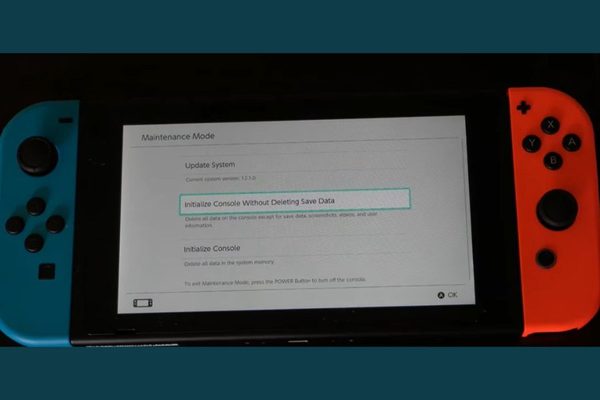
Entire online support communities to simultaneously complain about this forced obsolescence while sharing theories on how to prevent or reverse it. The entire thing will be a very human manifestation of a well understood theory of behavioral psychology: the endowment effect and loss aversion. Sometimes described as "twin forces" - the idea that we will increasingly do whatever we can to hold onto the things we consider to be ours is one that is on a collision course with the tech industry's desire to lock us into upgrade cycles for those same things. I suspect the result will be one of the great ongoing tensions that will shape the tech industry over the next decade.
Book Rohit To Speak
Want to bring these ideas to your next event?
Rohit turns the thinking behind posts like this one into keynotes for audiences around the world, from Fortune 500 leadership teams to global industry conferences.
Learn More About Speaking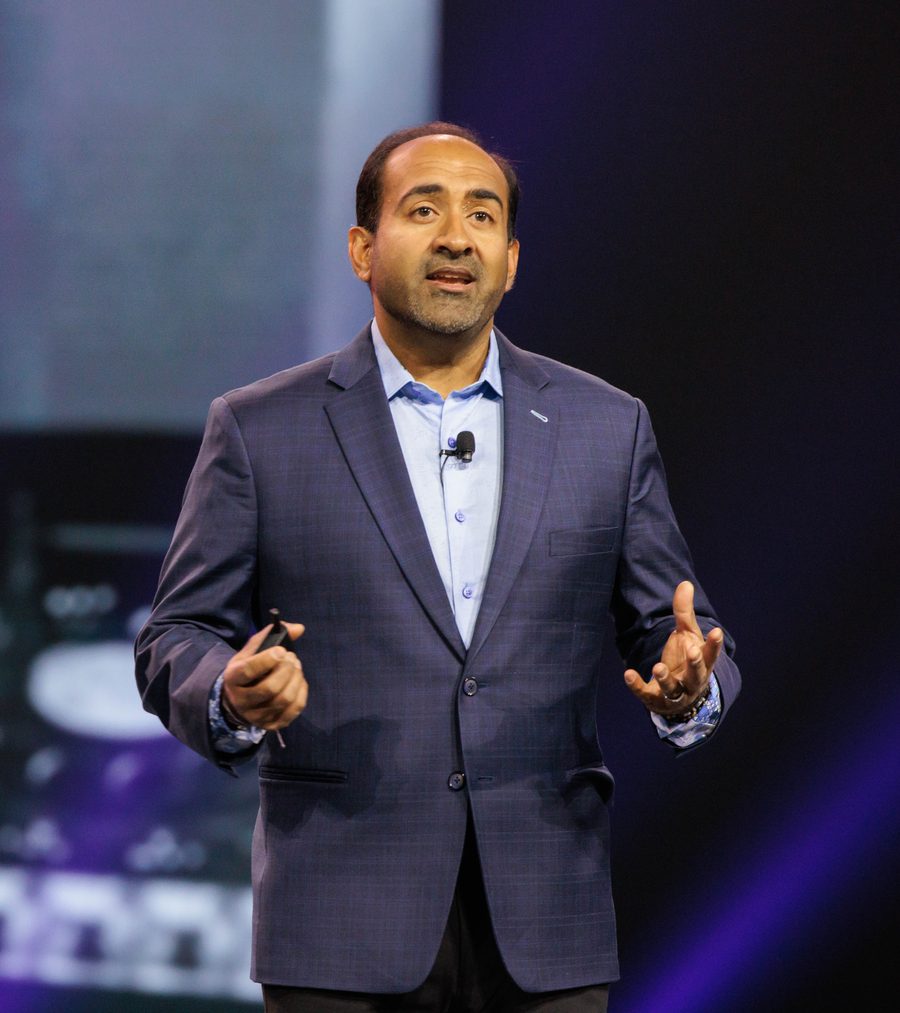
How It All Started
A Short Backstory Of This Blog
This is a blog about non-obvious ideas. Originally launched on the Typepad platform in 2005 as the Influential Marketing blog, the stories at first focused mainly on digital marketing while Rohit worked at Ogilvy Advertising. In 2015 Rohit officially rebranded to the Non-Obvious Insights Blog and published his WSJ bestseller Non-Obvious. For the past twenty one years, this blog has coined new terms, introduced future marketing practices and inspired the next generation of non-obvious thinkers and marketers.