





OCTOBER 16, 2024|TECHNOLOGY & SOFTWARE
Adobe Helps Creators Protect Their Work with Digital Content Credentials
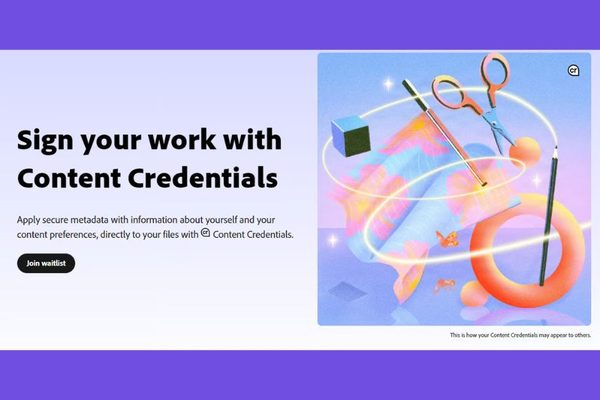
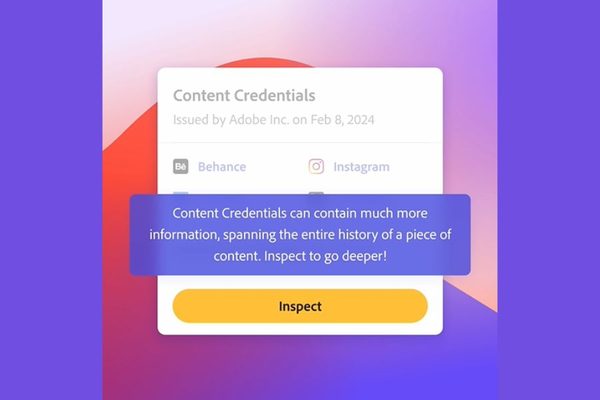
You would expect Adobe, a company that has millions of professional creators using their software tools every day to find ways to support that community. Their newly-announced Content Credentials feature is a way to add metadata specifically to images and video that can certify the rights of the creator. As the challenge of digital rights continues to get sorted out, this is exactly the kind of leadership the tech industry will need to take in order to solve a problem that technology has created.
It’s a refreshing contrast to a story last week that showed just how little responsibility Mark Zuckerberg feels like he and Meta should take for keeping kids safe online. He even went on to suggest that he believes there’s no link between social media and teen mental health struggles. This comes at the same time that some consumers are literally begging the government to ban social media to help them find balance and avoid getting addicted. These stories show the complicated relationship between those who create platforms for us to use and the varying levels of ethical responsibility they feel to ensure those platforms are being used in positive ways.
What do you think? Should the responsibility of mental health or digital copyright to protect ideas be something a platform should manage? Or should it entirely be up to us to manage this ourselves?
Related Posts
Book Rohit To Speak
Want to bring these ideas to your next event?
Rohit turns the thinking behind posts like this one into keynotes for audiences around the world, from Fortune 500 leadership teams to global industry conferences.
Learn More About Speaking
How It All Started
A Short Backstory Of This Blog
This is a blog about non-obvious ideas. Originally launched on the Typepad platform in 2005 as the Influential Marketing blog, the stories at first focused mainly on digital marketing while Rohit worked at Ogilvy Advertising. In 2015 Rohit officially rebranded to the Non-Obvious Insights Blog and published his WSJ bestseller Non-Obvious. For the past twenty one years, this blog has coined new terms, introduced future marketing practices and inspired the next generation of non-obvious thinkers and marketers.