







OCTOBER 31, 2025|SOCIAL MEDIA
All Online Outrage Is Fake
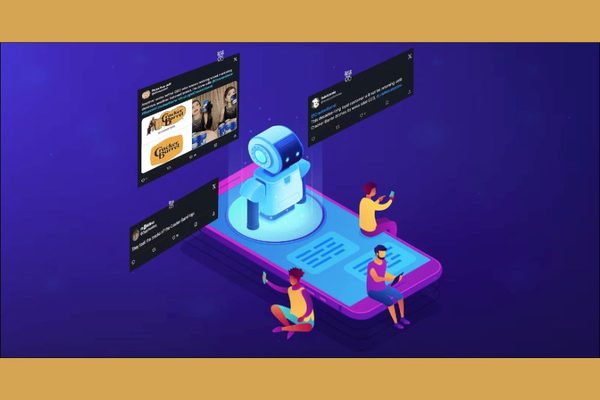
Remember the "outrage" generated online by the revised logo for Cracker Barrel restaurant? According to a new piece this week from the WSJ, much of the online backlash reportedly driven by angry consumers was actually just bots. Another story this week about the outrage supposedly instigated by the NFL's announcement that Puerto Rican star Bad Bunny would be the halftime performer notes that music star Jay-Z is among a growing number of people suggesting that outrage also may be fake. Put the stories together and the obvious question we should all be asking is whether ALL online outrage may be fake?
Contrast this with the news stories this past week about the "No Kings" protests across American that drew verified crowds of several million actual people showing up in person and you have a perfect illustration of the modern problem with stories of outrage. They are all counted as the same, when the truth is they really are not. Whether you agree with a protest or not isn't really the point. Millions of real people showing up to have their voices heard and demonstrate their outrage is a far different thing than an algorithmically amplified perception of outrage that is only really fueled by minority opinions.
This is a central problem leading to the growing observations that people simply don't trust the media anymore, regardless of their ideologies. What's the solution? One possible (though somewhat nuclear) solution is assuming ALL online outrage is fake and measuring the level of actual outrage based on what people do and where they show up in person instead. I'm curious what you think. Would this work or is there some other metric we might apply to gauge for ourselves whether the so-called outrage we often hear about is real or it isn't?
Related Posts
Book Rohit To Speak
Want to bring these ideas to your next event?
Rohit turns the thinking behind posts like this one into keynotes for audiences around the world, from Fortune 500 leadership teams to global industry conferences.
Learn More About Speaking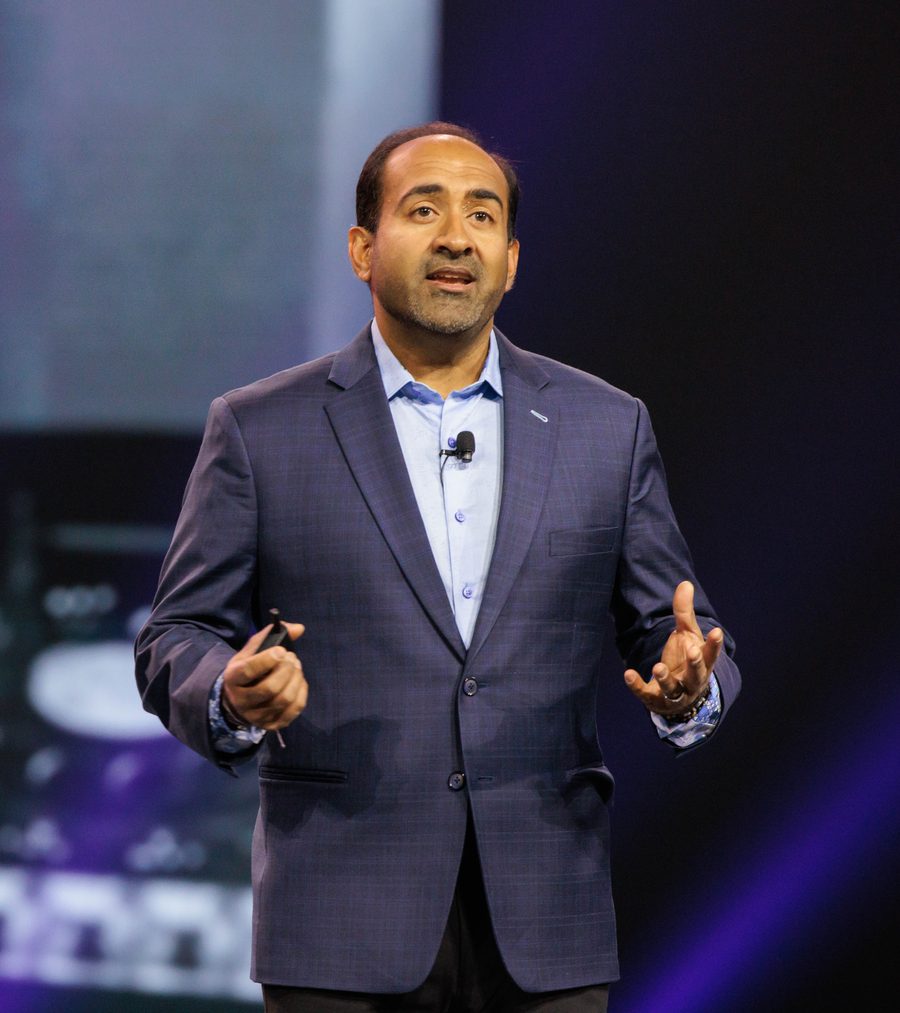
How It All Started
A Short Backstory Of This Blog
This is a blog about non-obvious ideas. Originally launched on the Typepad platform in 2005 as the Influential Marketing blog, the stories at first focused mainly on digital marketing while Rohit worked at Ogilvy Advertising. In 2015 Rohit officially rebranded to the Non-Obvious Insights Blog and published his WSJ bestseller Non-Obvious. For the past twenty one years, this blog has coined new terms, introduced future marketing practices and inspired the next generation of non-obvious thinkers and marketers.