








AUGUST 28, 2025|BRANDS & MARKETING
Of Course, the Cracker Barrel Logo "Backlash" Was Planned ... And It Worked Perfectly
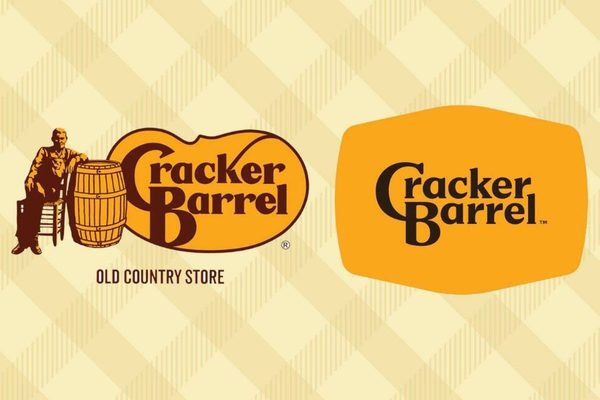
Cracker Barrel announced they were ditching their old logo for a forgettable generic new one. The news got people to pay attention. Lots of them condemned the switch. Then predictably a few weeks later, they backtracked and brought back the old logo. I suspect that was always the plan. Here's the one headline that should tell you everything you need to know about the ideal outcome of this strategy.
The Washington Post ran an article with this headline: "Cracker Barrel is trying to modernize. Bless its heart. Everyone's mad at the old chain, but what is eating at one actually like in 2025?" And then the journalist goes on to visit, talks about his own nostalgia for the restaurant and even raves about their revamped menu. There is no way the restaurant brand could have pitched for such a rave review in a top-tier media publication which likely will get people to come and try it for themselves ... but their temporary logo switch made it happen.
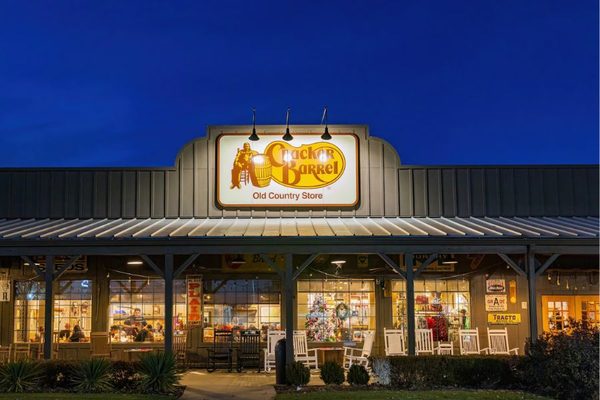
The brand is relevant again, and people are talking about it and visiting. The PR playbook for this strategy is simple:
- Identify a brand that is facing irrelevance.
- Change the logo to something boring and forgettable.
- Encourage the stories of "outrage" at the switch.
- Use the stories to demonstrate how much people care.
- Switch the logo back because you're listening to your fans.
- Enjoy your newfound brand relevance.
This whole story strikes me as a great PR strategy executed perfectly. If anyone deserves credit (and a raise), it's the PR team behind this whole thing.
Rohit speaks on this topic. See his marketing keynote.
Related Posts
Book Rohit To Speak
Want to bring these ideas to your next event?
Rohit turns the thinking behind posts like this one into keynotes for audiences around the world, from Fortune 500 leadership teams to global industry conferences.
Learn More About Speaking
How It All Started
A Short Backstory Of This Blog
This is a blog about non-obvious ideas. Originally launched on the Typepad platform in 2005 as the Influential Marketing blog, the stories at first focused mainly on digital marketing while Rohit worked at Ogilvy Advertising. In 2015 Rohit officially rebranded to the Non-Obvious Insights Blog and published his WSJ bestseller Non-Obvious. For the past twenty one years, this blog has coined new terms, introduced future marketing practices and inspired the next generation of non-obvious thinkers and marketers.