







SEPTEMBER 17, 2009|ADVERTISING
Burger King's School Of Endorsements
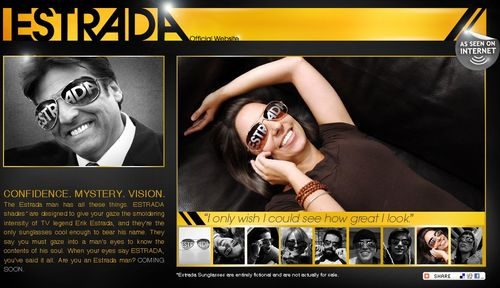
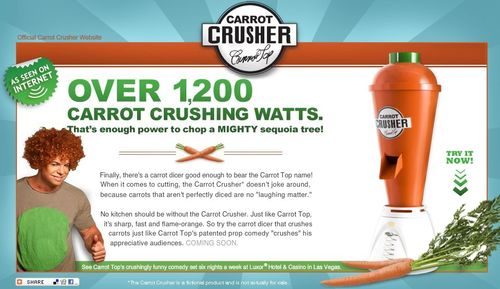
In a recent ad that Burger King just started running, NASCAR champion Tony Stewart teaches a course to other celebrities about only endorsing brands and products they actually believe in. The ad features Eric Estrada selling his own line of Estrada sunglasses, and an overly botoxed Carrot Top (the comedian) selling his own Carrot Crusher juicing machine (both of which have mock websites selling the fictional products - nice touch by Burger King). Clearly, neither of them understand Tony's point of only endorsing brands you really believe in:
It is a lesson that is forgotten over and over in nearly any type of advertising - and just as often by Burger King themselves, ironically. Why is this simple advice so hard to follow? There are three big reasons that brands so often choose the wrong people to endorse their products, and launch ineffective marketing campaigns around this mistake without realizing it until it's too late:- Lack of knowledge about their real fans. Part of the reason for choosing a person to speak for a brand in marketing and advertising that isn't already a fan of the brand is because often brands don't know who these people are. With social media and the ready availability of opinions online, there is really no excuse for lacking this knowledge - especially when it comes to celebrities. Actually, the excuse comes down to laziness and a general unwillingness to do the right amount of research.
- Emotional attachment to bad endorsement choices. I have spoken before about how most ill-advised choices for spokespeople that brands make are based on some sort of emotional attachment to the idea rather than a real strategic or business reason to work with that person. When you choose a celebrity or personality based on your personal desire, often the connections that you make between the person and your brand become unbelievable and customers don't make them as well.
- Ineffective strategic choice to use a spokesperson. When you decide to work with a celebrity or personality to represent your brand in marketing, you are effectively making a strategic choice that an influencer-based message (ie - "buy this product because someone you admire recommends it") will work best. The problem with this is that in some situations the best strategy may be instead to focus on a particular feature or attribute of your product or some other marketing message that doesn't necessarily involve a spokesperson.
I love Burger King's choice to expose this element of ineffectual brand endorsements as part of advertising - a great implementation of a concept I talk about in PNI which I called "Anti-Marketer Marketing" (a technique where a brand aims to stand beside their customers and shake their head at all the other clueless marketers, thereby positioning their brand as rising above that sort of message). Now the only challenge for their future marketing is to try and live up to their own advice.
Rohit speaks on this topic. See his marketing keynote.
Related Posts
Book Rohit To Speak
Want to bring these ideas to your next event?
Rohit turns the thinking behind posts like this one into keynotes for audiences around the world, from Fortune 500 leadership teams to global industry conferences.
Learn More About Speaking
How It All Started
A Short Backstory Of This Blog
This is a blog about non-obvious ideas. Originally launched on the Typepad platform in 2005 as the Influential Marketing blog, the stories at first focused mainly on digital marketing while Rohit worked at Ogilvy Advertising. In 2015 Rohit officially rebranded to the Non-Obvious Insights Blog and published his WSJ bestseller Non-Obvious. For the past twenty one years, this blog has coined new terms, introduced future marketing practices and inspired the next generation of non-obvious thinkers and marketers.