






JULY 28, 2025|SOCIAL MEDIA
How AI Is Exposing the Idiocy of Influencer Marketing

Recently, an AI generated influencer went viral at Wimbledon. She wasn't the first, but there was a firestorm of stories about how she is the latest symbol of the believability crisis we find ourselves in. As one executive from Getty Images explained:
“People are used to seeing curated, almost perfect images from human influencers, achieved through extensive editing, filters and professional photography. Zelu, being entirely AI-generated, naturally embodies this idealised flawless skin, perfect lighting and picture-perfect poses ... AI-generated content is currently ‘hyper-polished’, allowing it to seamlessly blend into the existing visual standard that many people have come to expect. The fact that thousands of fans mistook her for real, despite her AI disclosure, points to how our eyes have become conditioned to this hyper-polished aesthetic on social media."

Yes, this will continue to be a problem. It does expose one of the biggest misperceptions in the world of marketing too ... that influencer marketing is about paying someone to hold or be in proximity to your product. There's a better phrase for this: lazy marketing.
The brands who are spending money solely based on follower counts and simply asking to be "mentioned" are actively wasting their money. Though this case with Mia Zelu isn't really a marketing story, it does expose a dangerous mistake that many marketers are still making.
Rather than finding influencers who have an authentic possible connection to their product and service and then imagining something interactive and interesting to do with them, they treat influencer marketing like product placement. Both tactics can work - but they are not the same thing.
For me, the whole story of this fake influencer is another wake up call for marketers in any industry that influencer marketing is a waste of time and money when done with lazy thinking.
Rohit speaks on this topic. See his AI keynote.
Related Posts
Book Rohit To Speak
Want to bring these ideas to your next event?
Rohit turns the thinking behind posts like this one into keynotes for audiences around the world, from Fortune 500 leadership teams to global industry conferences.
Learn More About Speaking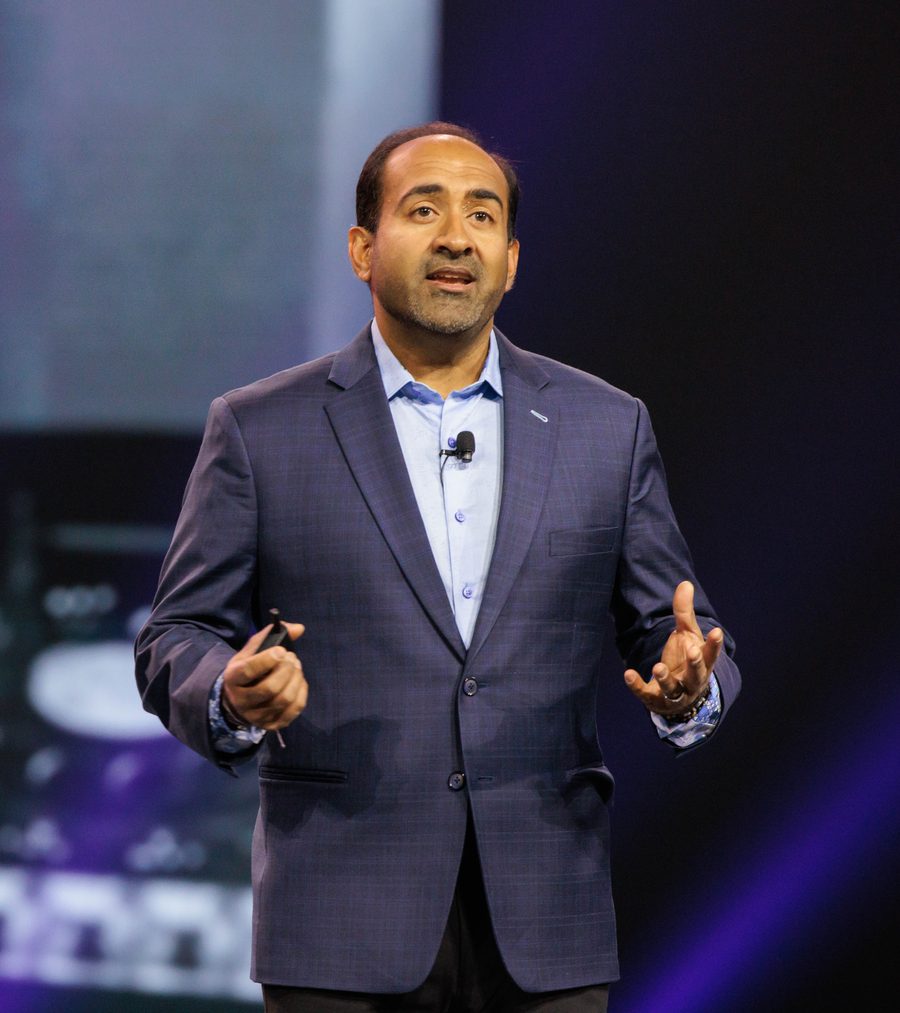
How It All Started
A Short Backstory Of This Blog
This is a blog about non-obvious ideas. Originally launched on the Typepad platform in 2005 as the Influential Marketing blog, the stories at first focused mainly on digital marketing while Rohit worked at Ogilvy Advertising. In 2015 Rohit officially rebranded to the Non-Obvious Insights Blog and published his WSJ bestseller Non-Obvious. For the past twenty one years, this blog has coined new terms, introduced future marketing practices and inspired the next generation of non-obvious thinkers and marketers.