








MAY 9, 2024|TECHNOLOGY & SOFTWARE
How Netflix Solves Content Overload with the Entertainment Industry's Best User Interface Design
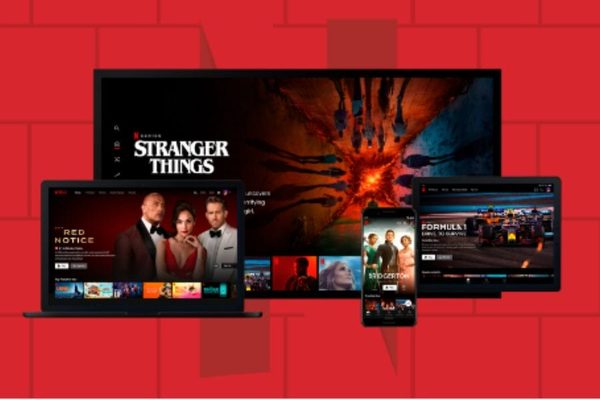
How does a company that offers more than a billion hours of programming make it less intimidating to find something to watch? This is a problem Netflix has been working on for well over a decade. In a rare behind-the-scenes interview, Fast Company shared a Q&A with Netflix VP of design Steve Johnson about how exactly Netflix makes it easier for people discover new shows without getting frustrated and giving up.
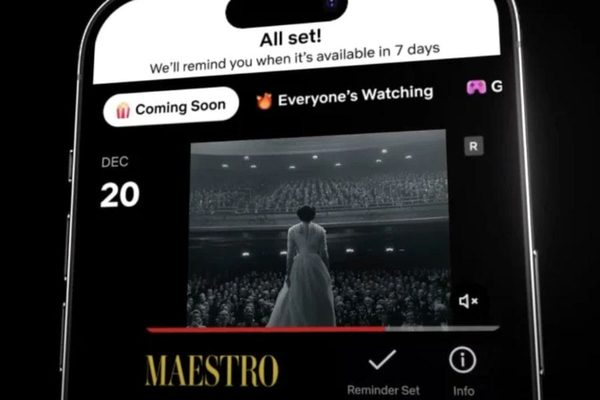
The interview ranges from discussing the thinking behind Netflix's popular Top 10 lists, how the platform deals with password sharing accounts that mask who's actually watching, whether the platform may add some sort of "channel surfing" feature, and the instant joy of starting to watch something mid-way through instead of from the beginning.
Rather than making moves to scale back programming, like with Disney's recent choice to limit their Marvel superhero universe to only two shows and three films in the coming year, Netflix is making the strategic choice to supercharge their interface instead. It's a smart bet. After all, content overload shouldn't really be a problem if you can always quickly find something you actually want to watch.
Related Posts
Book Rohit To Speak
Want to bring these ideas to your next event?
Rohit turns the thinking behind posts like this one into keynotes for audiences around the world, from Fortune 500 leadership teams to global industry conferences.
Learn More About Speaking
How It All Started
A Short Backstory Of This Blog
This is a blog about non-obvious ideas. Originally launched on the Typepad platform in 2005 as the Influential Marketing blog, the stories at first focused mainly on digital marketing while Rohit worked at Ogilvy Advertising. In 2015 Rohit officially rebranded to the Non-Obvious Insights Blog and published his WSJ bestseller Non-Obvious. For the past twenty one years, this blog has coined new terms, introduced future marketing practices and inspired the next generation of non-obvious thinkers and marketers.