








MAY 31, 2009|SOCIAL MEDIA
How Social Media Will Change History

It is easy to think of these shades of history while traveling in Greece (where I spent the past week), because the evidence of this is all around. From the city of Acropolis high over Athens to the softly smoldering volcanic remains in the caldera of Santorini. What was once religion is now called mythology, a sign perhaps that our religion of today may befall the same fate. Amongst those ruins of temples and palaces, there is the beautifully frustrating knowledge that we will probably never know what these really looked like or how these people truly lived.
The history today will be different. With technology and social media, we have the effortless ability to capture our individual truth and experience in minute detail and save it on shared servers for the world to access hundreds or thousands of years from now. Ironically, this fact may make the study of history that much more complicated, as historians in the future will have many versions of truth to study and contrast. Rather than piecing this history together through buried bone fragments and stones with the rare written account as they have done for many years, they will do it through compiling and sorting data, analyzing imagery and watching video.
Combined with global historical initiatives such as the Internet Archive and Google Earth, the portrait of our world as it stands today will be far more complete and multi-experienced for historians of the future than any other age that has come before. For those of us who write blogs or upload photos, the scope of our actions are easy to forget or minimalize. But we are the new historians of our time and our content will one day be history - and probably for more than just ourselves. It's a humbling to imagine your own words on this scale ... particularly when you think of who could be reading them a long time from now.
Book Rohit To Speak
Want to bring these ideas to your next event?
Rohit turns the thinking behind posts like this one into keynotes for audiences around the world, from Fortune 500 leadership teams to global industry conferences.
Learn More About Speaking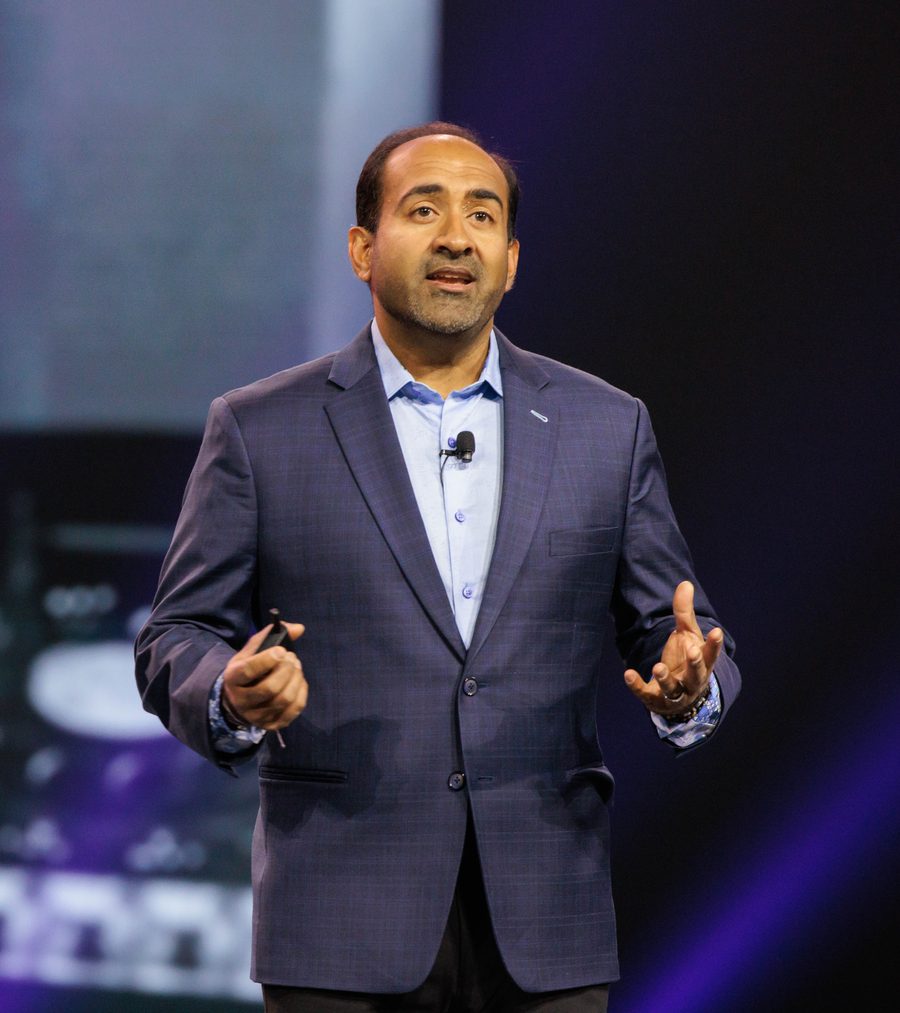
How It All Started
A Short Backstory Of This Blog
This is a blog about non-obvious ideas. Originally launched on the Typepad platform in 2005 as the Influential Marketing blog, the stories at first focused mainly on digital marketing while Rohit worked at Ogilvy Advertising. In 2015 Rohit officially rebranded to the Non-Obvious Insights Blog and published his WSJ bestseller Non-Obvious. For the past twenty one years, this blog has coined new terms, introduced future marketing practices and inspired the next generation of non-obvious thinkers and marketers.