








MAY 30, 2022|HISTORY & CURIOSITIES
The Problem Of History Isn’t Too Few Surviving Manuscripts, It Is Too Many
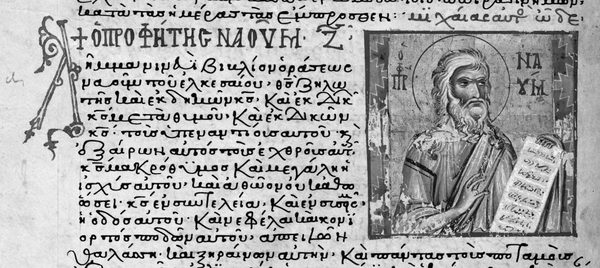
“For two millennia, we’ve been haunted by the idea that what has been passed down to us might not be representative of the vast corpus of literature and knowledge that humans have created. It’s a fear that has only been confirmed by new methods for estimating the extent of the losses.”
Reading about the constant fires, looting and book-destroying political or religious movements throughout European history, experts estimate that 90% of the world’s medieval texts have been lost forever. So we have learned history from the fragments that remain. What if the real problem of history is not a lack of surviving information but the reality that we have too much of it?
According to one expert, an estimated 10 million ancient Indian and Buddhist texts have survived but are yet to be examined because the world lacks experts with the knowledge to do it. In our digital future, everything will be recorded and saved for history ... whether fact or misinformation. Imagine the difficulty historians of the future will have to decipher what really happened among all these conflicting sources. They say history has always been written by the victors. Now it’s also written by any self-proclaimed “influencer” with a laptop too.
Related Posts
Book Rohit To Speak
Want to bring these ideas to your next event?
Rohit turns the thinking behind posts like this one into keynotes for audiences around the world, from Fortune 500 leadership teams to global industry conferences.
Learn More About Speaking
How It All Started
A Short Backstory Of This Blog
This is a blog about non-obvious ideas. Originally launched on the Typepad platform in 2005 as the Influential Marketing blog, the stories at first focused mainly on digital marketing while Rohit worked at Ogilvy Advertising. In 2015 Rohit officially rebranded to the Non-Obvious Insights Blog and published his WSJ bestseller Non-Obvious. For the past twenty one years, this blog has coined new terms, introduced future marketing practices and inspired the next generation of non-obvious thinkers and marketers.