








AUGUST 29, 2024|AUTOMOTIVE & MANUFACTURING
In a World of Digital Silence, What Should Anything Sound Like?
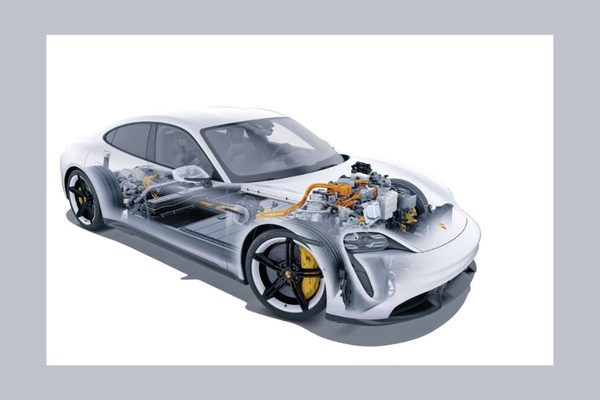
Electric cars are quiet. Maybe too quiet. The problem, as some public health groups warn, is that electric cars dramatically increase the risk of accidents with pedestrians. The absence of sound creates danger, because we expect to be able to hear a car coming. Now that legislation spearheaded by groups advocating for the blind and visually impaired is starting to require electric vehicles to emit “an artificial engine noise,” the new challenge is what this sound should be. Do car makers just copy the engine sound from existing cars? And if so, which car? Should all electric cars be required to sound the same?

While the question may seem unique to vehicles, a similar challenge has come up with other technology too. Digital cameras and smartphones, for example, generally now have an option to turn on an artificial shutter sound so you can audibly hear that a photo was taken. Digital doorbells simulate the sound of a bell even though they don’t always have a physical bell attached anymore. Car horns, bike bells, smoke detectors and countless other products that have gone digital also have a similar sonic challenge of creativity. Should the sounds each of these things make just aim to copy the current analog sound or is this a chance to rethink old conventions? I’d love to hear what you think. Just hit reply to this message and let me know!
Related Posts
Book Rohit To Speak
Want to bring these ideas to your next event?
Rohit turns the thinking behind posts like this one into keynotes for audiences around the world, from Fortune 500 leadership teams to global industry conferences.
Learn More About Speaking
How It All Started
A Short Backstory Of This Blog
This is a blog about non-obvious ideas. Originally launched on the Typepad platform in 2005 as the Influential Marketing blog, the stories at first focused mainly on digital marketing while Rohit worked at Ogilvy Advertising. In 2015 Rohit officially rebranded to the Non-Obvious Insights Blog and published his WSJ bestseller Non-Obvious. For the past twenty one years, this blog has coined new terms, introduced future marketing practices and inspired the next generation of non-obvious thinkers and marketers.