








NOVEMBER 15, 2022|NON-PROFITS & ADVOCACY
Is It Actually Hard To Give Away Billions of Dollars In Your Lifetime?
Amazon announced 10,000 layoffs as founder Jeff Bezos conveniently timed his pledge to give away most of his money. Aside from Bezos' obvious attempt to distract media from covering the layoffs, one of his quotes about the difficulty of giving away large sums of money stood out: "the hard part is figuring out how to do it in a levered way ... it's not easy. It's really hard."
His quote got me wondering: is it really that hard to give away billions of dollars? It seemed to be for Microsoft founder Paul Allen. As The Atlantic wrote after he died: "it’s a sign of just how broken the American system of wealth is: A billionaire pledges to give away half his fortune and, despite donating generously and spending liberally, ends up with even more money than he had before." More recently, when Mother Jones wrote about how MacKenzie Scott gave away almost $4.2 billion in the span of four months, they noted that it took an entire team to manage her giving to over 300 organizations.
Perhaps the real answer to the question is that it is possible to give away that much money, but only if you run it like a dedicated business. So here's an idea for the billionaires who say they want to give more ... instead of laying people off, why not create a Foundation like the Gates and hire those people to help figure out where and how to give money more quickly and sustainably to those who deserve it. Or you can just start by giving $25,000 a year to every hardworking public school teacher in America (all 3 million of them). That should take care of the first $75 billion.
Book Rohit To Speak
Want to bring these ideas to your next event?
Rohit turns the thinking behind posts like this one into keynotes for audiences around the world, from Fortune 500 leadership teams to global industry conferences.
Learn More About Speaking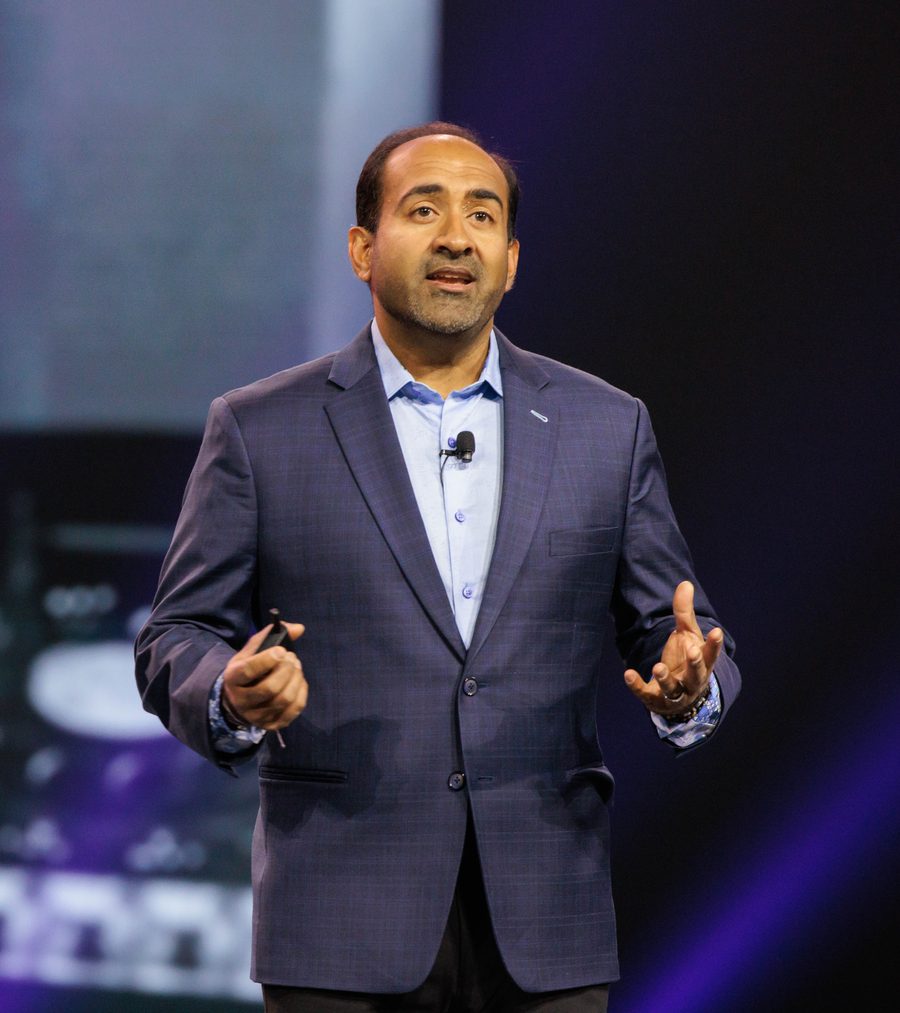
How It All Started
A Short Backstory Of This Blog
This is a blog about non-obvious ideas. Originally launched on the Typepad platform in 2005 as the Influential Marketing blog, the stories at first focused mainly on digital marketing while Rohit worked at Ogilvy Advertising. In 2015 Rohit officially rebranded to the Non-Obvious Insights Blog and published his WSJ bestseller Non-Obvious. For the past twenty one years, this blog has coined new terms, introduced future marketing practices and inspired the next generation of non-obvious thinkers and marketers.