





FEBRUARY 6, 2024|ARTIFICIAL INTELLIGENCE
Is Poisoning AI The Best Way for Artists to Fight Back?
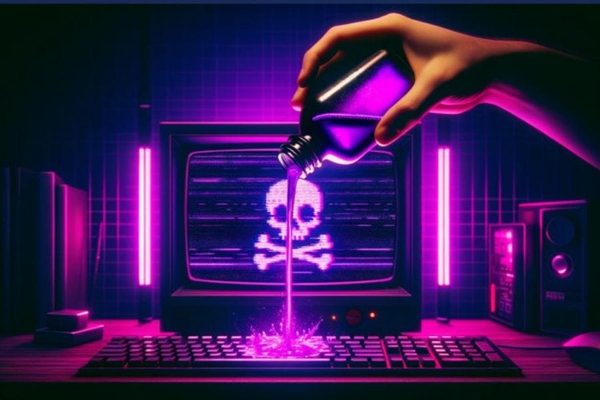
In less than a week since the AI poisoning tool known as Nightshade was made available online for free, more than 250,000 people have downloaded and started to use it. Artists and creators can use the tool to tag their images at the pixel level which is undetectable to the human eye, but wreaks havoc on AI learning models. It is part of an effort known as the Glaze Project, designed to "increase the cost of training on unlicensed data and making licensing images from creators a more attractive option for AI companies."
Aside from the emotional appeal for victimized artists feeling like they finally have a way to fight back, the idea of poisoning AI data sets could actually work because of how difficult it is to remove these poisoned images from the model once ingested. The problem is volume. As Glaze Project founder Zhao says, you "would need thousands of poisoned samples to inflict real damage on larger, more powerful models, as they are trained on billions of data samples." So, for now, the solution may be more of a feel-good tool than a real digital protector of creative work ... but it's a start.
For teams working out how to answer AI rather than simply absorb it, Rohit lays out the choices in his AI keynote.
Related Posts
Book Rohit To Speak
Want to bring these ideas to your next event?
Rohit turns the thinking behind posts like this one into keynotes for audiences around the world, from Fortune 500 leadership teams to global industry conferences.
Learn More About Speaking
How It All Started
A Short Backstory Of This Blog
This is a blog about non-obvious ideas. Originally launched on the Typepad platform in 2005 as the Influential Marketing blog, the stories at first focused mainly on digital marketing while Rohit worked at Ogilvy Advertising. In 2015 Rohit officially rebranded to the Non-Obvious Insights Blog and published his WSJ bestseller Non-Obvious. For the past twenty one years, this blog has coined new terms, introduced future marketing practices and inspired the next generation of non-obvious thinkers and marketers.