








SEPTEMBER 29, 2021|DIVERSITY
It's Never Too Late For Reparations, And More Should Be Coming
Almost exactly twenty years ago, I had the chance to climb Uluru, a large sandstone formation in the Northern Territory of Australia. As we approached it, I distinctly remember our tour guide telling us that the Indigenous people of the area preferred that people not climb it, but that the tour was going to go anyway. Each of us, though, had the option to stay behind and respect the request of the Indigenous people. I was one of only two travelers in our group who chose not to climb.
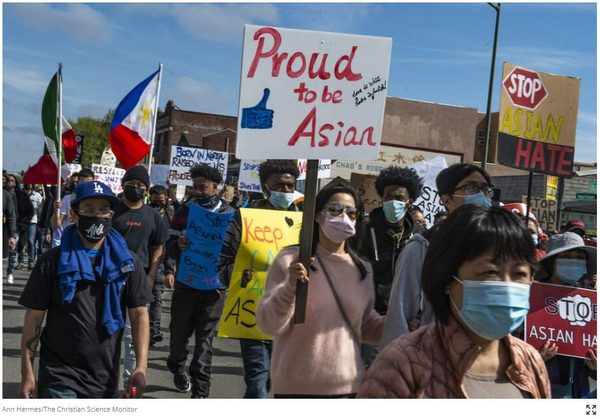
Today, Uluru and the area around it is back in the hands of the Anangu people, and in 2019 climbing the rock was finally forbidden. The Australian state of Queensland has also passed ownership of the world's oldest rainforest, the Daintree, back to its original owners, the Eastern Kuku Yalanji people. It is one of four such handovers included in the historic agreement signed by the government. Around the same time, the California city of San Jose formally passed a resolution to apologize to Chinese immigrants and their descendants for the role the city played in “systemic and institutional racism, xenophobia, and discrimination.” In doing so, it became the largest city in the country to formally apologize to the Chinese community.
These reparations have been decades in the making, and so it's easy to dismiss them as being too little too late. Perhaps they are. But apologies are important. Correcting the evil of stolen lands and stopping our celebration of those who stole the lands in the first place matters. It is the very least that we as a culture should do.
Book Rohit To Speak
Want to bring these ideas to your next event?
Rohit turns the thinking behind posts like this one into keynotes for audiences around the world, from Fortune 500 leadership teams to global industry conferences.
Learn More About Speaking
How It All Started
A Short Backstory Of This Blog
This is a blog about non-obvious ideas. Originally launched on the Typepad platform in 2005 as the Influential Marketing blog, the stories at first focused mainly on digital marketing while Rohit worked at Ogilvy Advertising. In 2015 Rohit officially rebranded to the Non-Obvious Insights Blog and published his WSJ bestseller Non-Obvious. For the past twenty one years, this blog has coined new terms, introduced future marketing practices and inspired the next generation of non-obvious thinkers and marketers.