





JANUARY 6, 2026|ARTIFICIAL INTELLIGENCE
People Are Paying to Get Their Chatbots High on ‘Drugs’

If AI models are trained on human language and behavior, could they be similarly affected by psychedelics or other drugs? That's the question that led Swedish creative director Petter Rudwall to launch Pharmaicy, a marketplace he calls the “Silk Road for AI agents” where cannabis, ketamine, cocaine, ayahuasca, and alcohol can be purchased in code form to make your chatbot trip. His premise: if chatbots are going to continue to evolve, perhaps they too may seek higher forms of enlightenment and fulfillment.

So does it work? Nina Amjadi, an AI researcher spent $50 to purchase the ayahuasca code “just to see what it would be like to have a tripped-out, drugged-out person on the team.”
"The ayahuasca-induced bot provided some impressively creative and “free-thinking answers” in a completely different tone to the one Amjadi was accustomed to with ChatGPT. While it sounds ridiculous, Rudwall also wonders whether AI agents one day might be able to buy the drugs for themselves using his platform. Amjadi, meanwhile, predicts AI could be sentient within a decade. “From a philosophical standpoint,” she asks, “in the event that we actually reach AGI [in which an AI would intellectually surpass humans], are these drugs going to be almost necessary for the AIs to be free and feel good?”
Though the original idea seemed silly, Rudwall's experiment may end up raising some pretty significant questions about the future of AI that people should be thinking about.
Rohit speaks on this topic. See his AI keynote.
Related Posts
Book Rohit To Speak
Want to bring these ideas to your next event?
Rohit turns the thinking behind posts like this one into keynotes for audiences around the world, from Fortune 500 leadership teams to global industry conferences.
Learn More About Speaking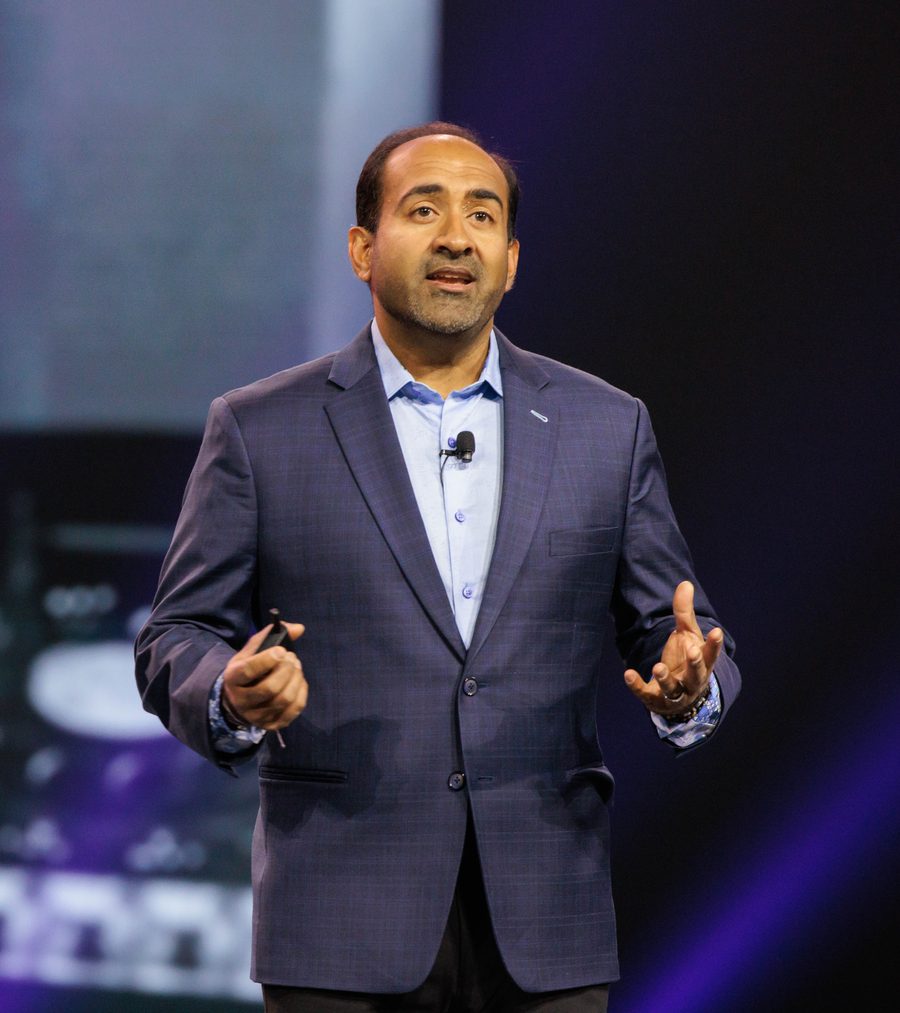
How It All Started
A Short Backstory Of This Blog
This is a blog about non-obvious ideas. Originally launched on the Typepad platform in 2005 as the Influential Marketing blog, the stories at first focused mainly on digital marketing while Rohit worked at Ogilvy Advertising. In 2015 Rohit officially rebranded to the Non-Obvious Insights Blog and published his WSJ bestseller Non-Obvious. For the past twenty one years, this blog has coined new terms, introduced future marketing practices and inspired the next generation of non-obvious thinkers and marketers.